Yucatán's Monday-lunch black-bean-and-pork-shoulder pot, scented with epazote and bitter orange, served with chopped radish, cilantro, and tomato salsa.
Frijol con puerco is Yucatán's Monday dish (lunes de frijol), so codified that office cafeterias and street fondas all serve it on the same day across the peninsula. The Monday rhythm is post-Spanish — pigs were slaughtered on Saturday and the meat salted to keep, then cooked with beans on Monday when families returned to work with little time to cook — but the bean-cookery, epazote, and bitter orange components are pure Mayan-Yucatec. Mentioned in 19th-century Mérida household accounts as the cocinera's standing weekly schedule.
Yucatán's lunes de frijol — Monday dish, codified across the peninsula. Pork shoulder, black beans, epazote, bitter-orange peel, with tomato-habanero salsa floating on top. Salt and acid go in late or beans stay chalky. Ascaridole in epazote was reducing flatulence centuries before food chemistry named it.
Inky black broth with chunks of pork that have given up their gelatin, beans that are creamy through but still hold shape, a dollop of bright tomato-habanero salsa floating on top. The broth is round and faintly bitter from the orange peel; the radish gives a peppery crunch against the soft beans; cilantro is the green note that brings everything forward. Eaten Monday at noon throughout Yucatán — a household ritual, not a restaurant dish.
Three quiet rules. First, salt and acid go in late — a bean simmered with salt from cold stays chalky-firm, and bitter orange boiled too long turns harsh. Second, epazote isn't optional decoration; the herb contains compounds (ascaridole) that demonstrably reduce bean-flatulence — Mayan cooks figured this out long before food chemists confirmed it. Third, leftovers are better: overnight, the gelatin from pork shoulder solidifies and re-emulsifies on reheating, giving the next day's broth body the first day lacks.
Variations
Mérida home version is leanest; Campeche adds longaniza for a smokier broth; Valladolid runs it thicker and serves with red rice; Tabasco border versions use ibes (lima beans) instead of black, a milpa swap.
On the Palate
Where Frijol con Puerco sits in the Mexican flavor cloud
Ingredients
Serves 6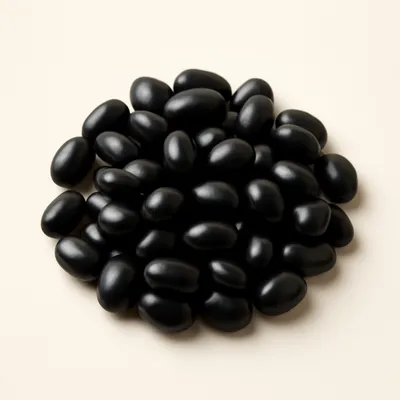









How it's made
5 steps · 30 min active + 2 hours 50 min waiting
- 110 min
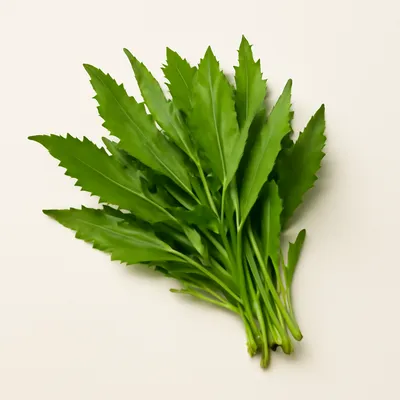
Soak 500g dried black beans in cold water overnight (8-12 hours). Drain. In a heavy pot, cover beans with 2.5L fresh cold water. Add 1 white onion halved, 4 garlic cloves smashed, and 2 sprigs epazote. Bring to a boil, then drop to a bare simmer.
Watch outSalt at the start makes beans hard — wait until they're already tender.
- 290 min
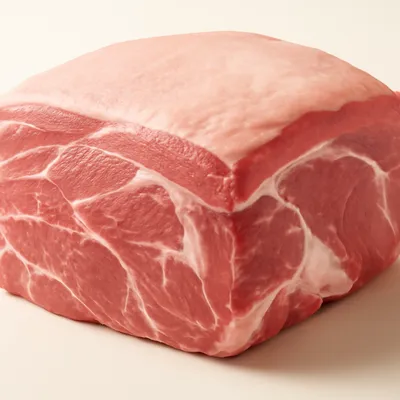
After 30 minutes, add 1kg pork shoulder cut into 5cm cubes (skin on if possible — adds gelatin) and 200g pork ribs cut into segments. Continue at a bare simmer 90 minutes more, skimming any grey foam off the top. Beans should be tender, broth dark.
- 325 min
Now add 1.5 tsp salt, 1/2 tsp black pepper, and the juice of 1 bitter orange (or 50/50 orange + lime juice, about 60ml). Simmer uncovered another 25 minutes — broth thickens to a glossy almost-soup, beans hold their shape but are creamy inside.
Watch outBitter orange goes in late — boil it 30+ minutes and the bitterness turns harsh.
- 410 min
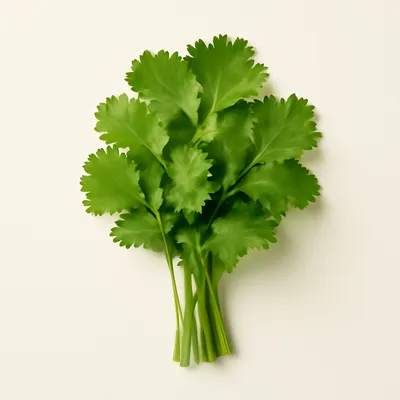
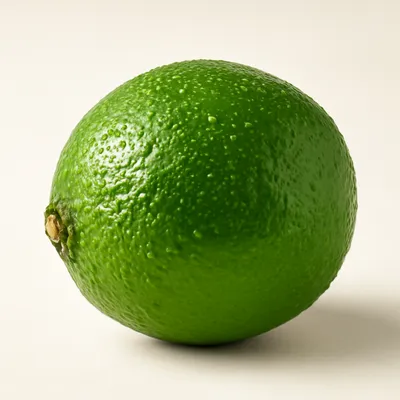
While beans cook, make the table salsa: pulse 4 charred tomatoes, 1/2 onion, 1 habanero (charred), 1/2 tsp salt, and 2 tbsp bitter orange juice into a chunky salsa. Set out 2 thinly sliced radishes, a bowl of chopped cilantro, and lime wedges in separate bowls.
- 55 min
Spoon beans, broth, and pork into deep bowls. Each diner tops their own with salsa, radish, cilantro, and a squeeze of lime. Serve white rice and warm tortillas alongside. Leftovers, reheated Tuesday, are better.
Archive tool suggestions — not reviewed
These legacy suggestions have not been evidence-reviewed and are not presented as required tools.