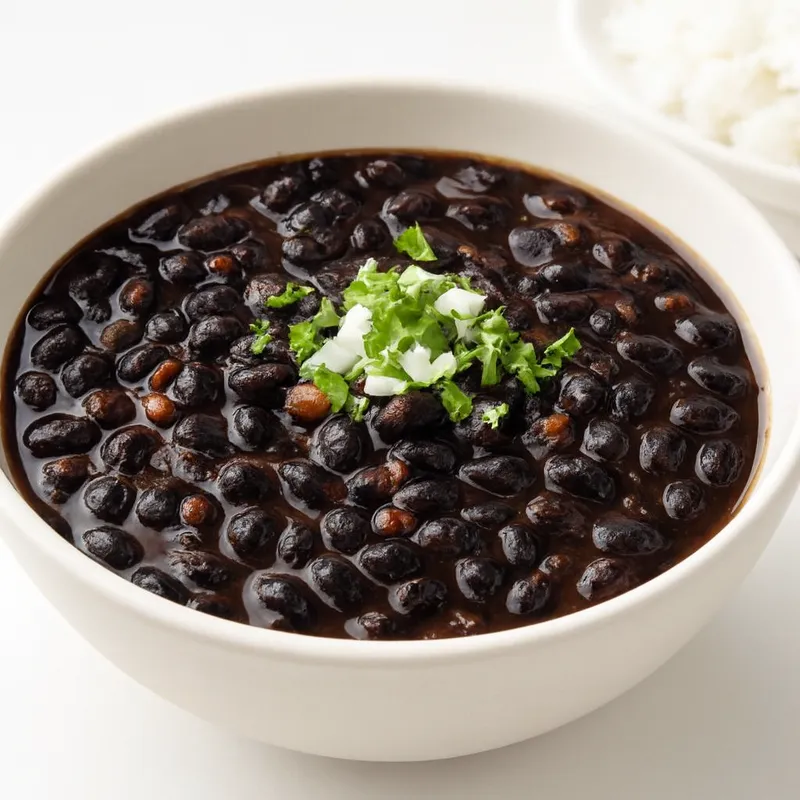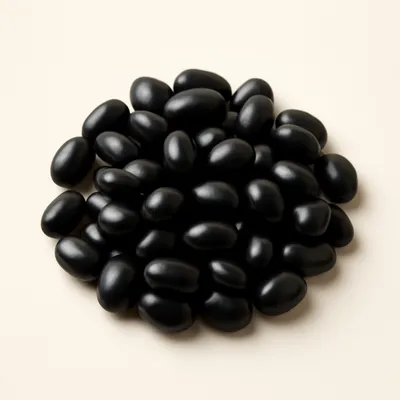
Rich and hearty, black beans deliver a deep, earthy flavor with a creamy texture that enhances both traditional and contemporary dishes. Their glossy black skin adds visual intrigue to meals.
Where it comes from
Black beans are a staple in Latin American cuisine, particularly in countries like Brazil and Cuba, where they are often featured in beloved dishes like feijoada and black bean soup.
In the kitchen
These beans are prized for their ability to absorb spices and flavors, making them perfect for soups, stews, and salads, while also serving as a protein-packed base for vegetarian dishes.
Across cuisines
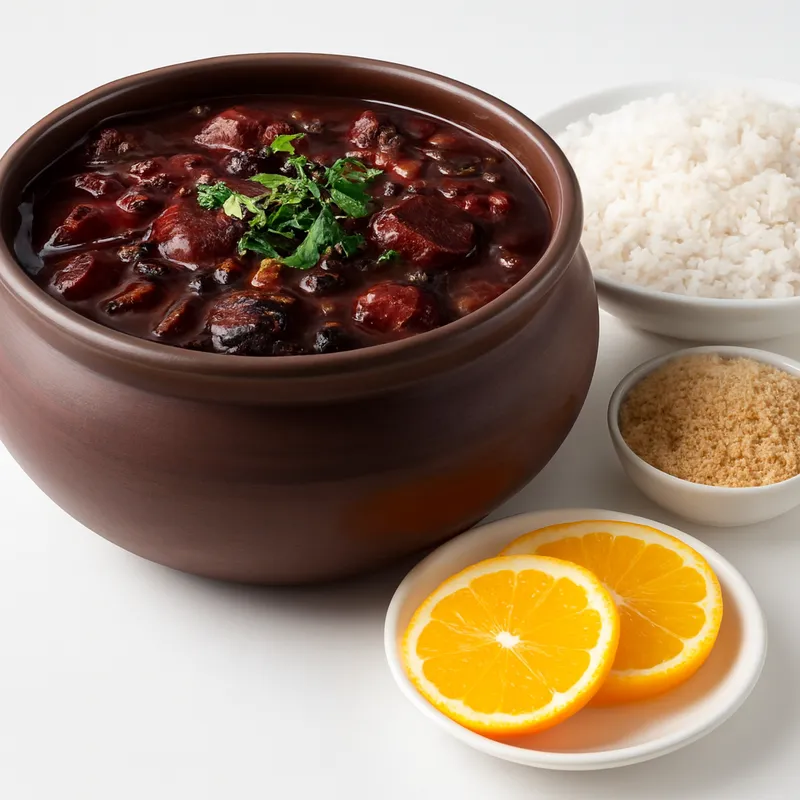
The required base of feijoada — black beans slow-simmered with pork shoulder, sausage, smoked ribs, ears, and trotters until the liquid reads almost black-brown. Served Saturdays with rice, kale, orange slices, and farofa. The bean must be the dark-skinned 'feijão preto', not pinto or kidney.
Frijoles negros — black beans simmered with bay, cumin, oregano, sofrito, and finished with a sherry-vinegar splash. Moros y cristianos cooks the beans and rice together for the marble-streaked Cuban national plate; the bean liquor (caldo) is treated as a sauce in itself.
Yucatán cooks black bean paste into refried-style colado used as the base layer for panuchos and salbutes — fried tortillas split open and filled with bean paste before topping. Frijol con puerco is the Monday peasant dish: bean broth ladled over rice with pork, served with three salsas.
Notable varieties
Small, glossy, dense — holds shape through long braises and yields the inky liquor that defines feijoada. Brazilian markets sell them by harvest year; newer beans cook in 90 minutes, older need overnight soaking.
Slightly sweeter, more tender skin — preferred for refritos and bean paste smears because it breaks down cleanly. Most Yucatecan and Oaxacan bean dishes use this regional cultivar.
Mid-sized, holds firmer texture than Mexican varieties — Cubans want individual beans visible in caldo, not a paste. Cooked with sofrito and finished with a vinegar splash for the signature tang.
Nutrition (per 100g)
AI-estimated; model and run unavailable.
Pairs well with