Pork Shoulder
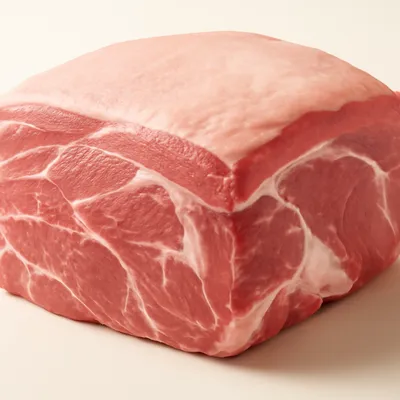
Pork shoulder is a hearty cut with a rich, porky flavor complemented by its tender, succulent texture when cooked low and slow. Its aroma during roasting or braising fills the kitchen with warmth and comfort.
Where it comes from
Pork shoulder is rooted in traditional Southern barbecue and Latin American cuisines, where it is often used for dishes like pulled pork. Its versatility has made it a beloved choice worldwide.
In the kitchen
Pork shoulder is best suited for slow-cooking methods, such as braising or smoking, allowing the fat to render and the meat to become incredibly tender. It’s perfect for tacos, sandwiches, and stews.
Across cuisines
In Mexican cuisine, pork shoulder is often marinated with a blend of citrus juices and spices before being slow-cooked. Cochinita Pibil, for example, uses a marinade of achiote paste, orange juice, and vinegar, which imparts a deep flavor and tenderizes the meat. The slow cooking process, traditionally in banana leaves, ensures the pork remains juicy and flavorful.
Hawaiian cuisine uniquely prepares pork shoulder through an underground roasting technique called 'imu'. The meat is seasoned with Hawaiian sea salt and sometimes wrapped in ti leaves, then placed in an earth oven lined with hot stones. This method, used for Kalua Pig, imparts a smoky flavor and results in tender, succulent pork.
In American cuisine, pork shoulder is commonly smoked for several hours before being shredded for pulled pork. The process involves a dry rub of spices and a slow smoking over wood chips, which infuses the meat with a deep, smoky flavor. The shredded pork is often served in sandwiches, such as the Pulled Pork Sandwich, with barbecue sauce.
Nutrition (per 100g)
AI-estimated; model and run unavailable.
Pairs well with