
Crisp, light bars of popped amaranth seed bound with a hot honey or piloncillo syrup, pressed into a slab and cut into squares or rounds. The toasted amaranth gives a nutty, cereal crackle; the syrup holds it just firmly enough to snap. Often studded with pumpkin seeds, raisins, and peanuts, alegrías are sold from street baskets and market stalls across central Mexico, especially around Tulyehualco in the south of Mexico City, a historic center of amaranth growing. The name means «joys».
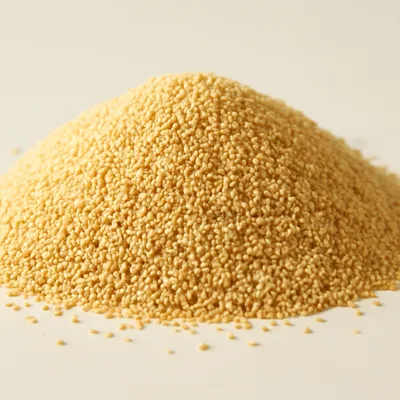
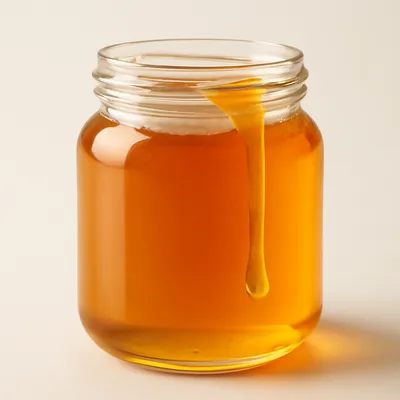


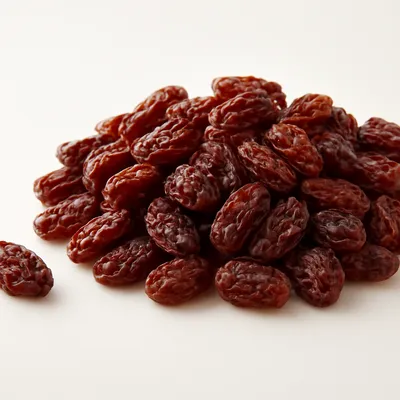
Amaranth (huauhtli) was a staple grain and a sacred plant of the Mexica, who mixed popped amaranth with binders to shape ritual figures of their gods. After the conquest the Spanish suppressed those ritual uses, but the grain and the technique of popping and binding it survived and shifted toward sweets; Tulyehualco and the chinampa zone south of Mexico City remained centers of amaranth cultivation. The honey-or-syrup-bound bar called alegría is the lasting popular descendant of that tradition. It is an old folk sweet with no single inventor; the broad pre-Hispanic lineage of amaranth is well documented, while specific origin dates for the modern bar are not.
Light and shatteringly crisp — a bar that crackles into tiny popped seeds the instant you bite. The amaranth tastes nutty and toasted, almost like a delicate puffed cereal, while the syrup carries a clean honey sweetness or the darker molasses depth of piloncillo. Pumpkin seeds and peanuts add chew and richness; raisins bring chewy bursts of fruit. It is far airier than it looks and not heavily sweet, so it eats almost like a healthful snack — which is part of why it never feels cloying despite the sugar.
Two steps make it. First, popping: amaranth seeds are heated on a dry hot surface until the small amount of water trapped inside each seed flashes to steam and bursts the starchy endosperm outward — the same physics as popcorn, but on a tiny scale, so the seeds barely change size while turning crisp and white. The pan must be hot and the seeds added in small bursts; too cool and they scorch without popping. Second, binding: a sugar syrup (honey or melted piloncillo) is boiled to a sticky soft-ball-range stage, then folded through the popped seeds while hot so the concentrated syrup coats every grain and, on cooling, sets into a brittle glue that locks the airy structure into a sliceable bar. Press while warm and pliable; once cool the slab is rigid and must be cut cleanly to avoid shattering.
Variations
The classic round is bound with honey; piloncillo-bound bars are darker and more caramel-toned. Mixes vary — pumpkin seeds, peanuts, raisins, and sometimes walnuts or dried cranberries. A chocolate-dipped or chocolate-drizzled finish is common. Some makers press the amaranth into figures or coat it onto a wafer (oblea) base. Plain popped amaranth without binder is also eaten stirred into yogurt or milk.
On the Palate
Where Alegrías sits in the Mexican flavor cloud
Ingredients
Serves 12How it's made
5 steps · 20 min active + 5 min waiting
- 18 min
Heat a dry pan until very hot and pop the amaranth seeds in small batches, stirring, until puffed and pale.
Watch outPop the amaranth in small batches on a very hot dry pan — the pan must be hot enough to burst the seeds white in a flash; too cool and they scorch without puffing.
- 24 min
Toast the pumpkin seeds and peanuts lightly, then combine with the popped amaranth and raisins.
- 35 min
Boil honey (or melted piloncillo) with a little water until it reaches a sticky, soft-ball stage.
- 41 min
Working quickly, fold the hot syrup through the seed mixture until evenly coated.
Watch outFold the hot soft-ball syrup through the seeds fast while it's fluid — it stiffens as it cools, so you have moments to coat everything before it seizes.
- 55 min
Press the mixture firmly into a lined tray while warm, then cool and cut into bars.
Archive tool suggestions — not reviewed
These legacy suggestions have not been evidence-reviewed and are not presented as required tools.


