
A hard, dark candy of Guanajuato made by boiling piloncillo (unrefined cane sugar) with a little butter to the crack stage, then pulling and twisting it as it cools into its characteristic spiral. In Guanajuato city it is most famous in figure form — twisted and pinched into little mummies, a nod to the city's famous mummy museum, as well as charros, Don Quixote, and other figures. The flavor is deep and molasses-like from the piloncillo; the texture is brittle and glassy, snapping hard before it gives way.



Charamuscas belong to Mexico's long colonial tradition of piloncillo candy, which took root after the Spanish established sugarcane and sugar-working in New Spain; the dark, pulled candy is documented as an old regional sweet rather than a dated invention, and its precise origin is not fixed. The name once described a simple twisted, churro-like stick of candy, and over time Guanajuato confectioners shaped it into the figures now associated with the city. The mummy form is the most emblematic, tied to Guanajuato's well-known mummies and their museum, and charamuscas are sold from candy shops and carts around the Mercado Hidalgo and the city's tourist streets.
It is a hard candy through and through — you can suck it slowly or risk your teeth on a bite, and it cracks with a sharp, glassy snap. The piloncillo gives it a dark, almost smoky molasses depth, more rounded and earthy than plain white-sugar candy, with a faint richness from the butter pulled into it. As it dissolves it turns sticky and clings to the teeth. Pulling aerates the candy slightly, so a well-made charamusca is glossy with a brittle, faintly chewy edge rather than dense and rock-solid.
The whole craft is sugar work: piloncillo is melted with a little water and butter and boiled to the hard-crack stage, around 150°C, where almost all the water has cooked off so the candy will set glassy and brittle rather than soft. It must then be shaped fast — pulled, twisted, and pinched into form while still hot and pliable, because piloncillo cools and hardens quickly and becomes impossible to work once set. Pulling the cooling sugar against itself folds in air and gives the candy its sheen and snap. Piloncillo's traces of molasses are what carry the dark color and deep flavor that refined sugar lacks. Once cold and firm, figures are dressed with details — tiny shawls and hats.
Variations
The original flavor is straight piloncillo, but makers now add coconut or walnut, and some fold in nuts or fruit. Shapes range from the simple twisted stick the candy is named for to the figures Guanajuato is known for — mummies above all, but also mariachis, charros, and Don Quixote. The candy is part of a broad family of Mexican piloncillo confections, kin to other regional dulces típicos built on the same dark cane sugar.
On the Palate
Where Charamuscas sits in the Mexican flavor cloud
Ingredients
Serves 8How it's made
8 steps · 25 min active + 10 min waiting
- 14 min
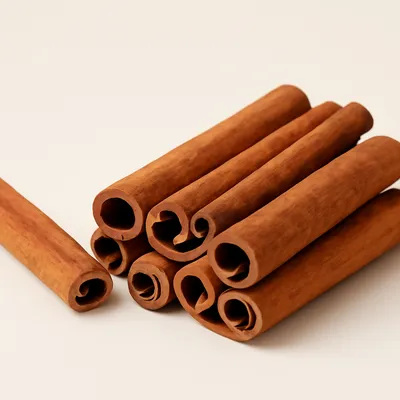
Chop piloncillo and combine in a heavy pot with a little water, a knob of butter, and a stick of cinnamon if you want the aromatic version.
- 25 min
Melt over medium heat, stirring, until the piloncillo fully dissolves into a syrup.
- 310 min
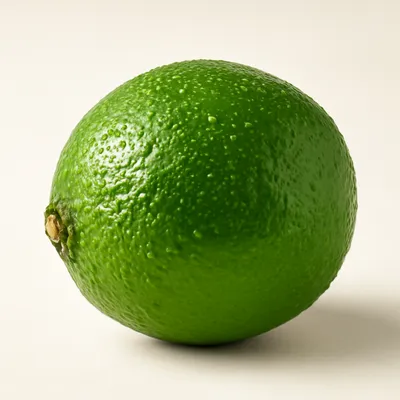
Stir in a few drops of lime juice to help keep the candy from graining, then boil without stirring until it reaches the hard-crack stage, about 150°C; remove the cinnamon stick.
Watch outBoil to hard-crack, about 150 degrees, without stirring — short of it the candy stays soft and won't set glassy and brittle.
- 44 min
Pour the hot syrup onto a greased, heatproof surface and let it cool just enough to handle.
- 54 min
Lightly oil your hands and gather the candy, then pull and fold it repeatedly as it cools.
Watch outPull and fold the cooling sugar fast while it's still pliable — piloncillo hardens quickly and can't be worked once set.
- 64 min
Twist into spirals or pinch and shape into figures such as little mummies before the candy hardens.
- 78 min
Let the shaped candy cool completely until hard and glassy.
- 82 min
Decorate cooled figures with details if desired, and wrap to keep dry.
Archive tool suggestions — not reviewed
These legacy suggestions have not been evidence-reviewed and are not presented as required tools.


