
Pelonas were invented in Puebla city in the mid-20th century — most accounts put the origin at the stalls around Mercado El Carmen and the streets of the Centro Histórico, sometime in the 1940s or 1950s, though no single inventor is documented. They are a sandwich-format adaptation of the older cemita and torta tradition: a bolillo roll, but quick-fried instead of toasted, with a wetter filling. Specific to Puebla state — pelonas don't appear elsewhere in Mexico.
Mid-20th-century Pueblan invention from stalls around Mercado El Carmen — a bolillo quick-fried (not toasted) so the crust shatters like paper, then collapses under wet filling by the third bite. Pelona means 「bald」, after the smooth shiny crust.
First crunch: the fried roll cracks like a thin paper shell — pelona means 'bald,' a reference to the smooth shiny crust. Then the steamy beef-and-onion warmth, cool crema cutting against the chile salsa, the green snap of lettuce. By the third bite the bread bottom is fully soaked through and you finish in two-handed surrender. A regular pelona stand near Mercado El Carmen in Puebla goes through hundreds a night.
The pelona's identity is the fried-roll shell. A toasted torta keeps a uniform texture; a fried pelona has a brittle outer shell that gives way to a soft inside which then absorbs the meat juices. The result is engineered impermanence — bite one is crisp, bite three is soggy, and that's the dish. Stale-by-one-day bread is non-negotiable: fresh bread has too much internal moisture and will collapse instead of crisping.
Variations
Mercado El Carmen stalls (red salsa, shredded beef) are the canonical address; Mercado de Sabores Poblano cooks make a chicken-tinga pelona; some Centro Histórico vendors run a green-salsa-and-chorizo version after midnight.
On the Palate
Where Pelonas sits in the Mexican flavor cloud
Ingredients
Serves 4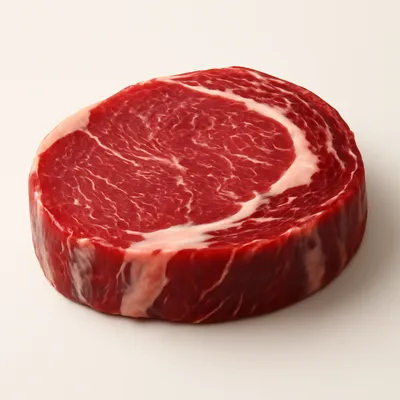









How it's made
6 steps · 40 min active + 50 min waiting
- 175 min
Cook the beef: place 600g beef chuck or skirt in a pot with 1 white onion (halved), 4 garlic cloves, 1 bay leaf, 1 tsp salt, 1/2 tsp black pepper. Cover with water by 4cm. Simmer 60-75 minutes until fork-tender. Cool in the broth, then shred with two forks. Discard cooking liquid (or save for soup).
Watch outIf the beef is still chewy at 75 minutes simmer 15 more — under-cooked chuck never shreds cleanly.
- 212 min
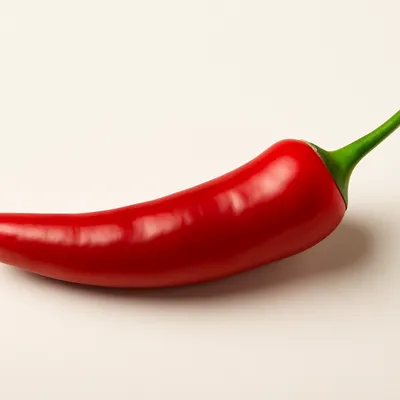
Make the salsa: blend 4 ripe tomatoes with 1 small white onion, 1-2 serrano chiles, 2 garlic cloves, 1 tbsp white vinegar, and salt until rough-textured but pourable. Strain to remove the worst seeds. Pour into a saucepan and simmer 8 minutes to take off the raw edge.
- 310 min
Sauté 1 finely chopped onion in 1 tbsp oil 5 minutes until soft. Add the shredded beef, 60ml of the cooked salsa, and salt to taste. Cook 4 minutes until the meat is glossy and lightly sauced — not soupy.
- 42 min
Prepare 8 small soft white bread rolls (bolillos or pan blanco rolls, ~8cm long, palm-sized). They should be a day old — fresh bread absorbs too much oil.
Watch outSame-day bread will go soggy with oil and collapse — stale-by-one-day is firm enough to fry crisp.
- 58 min
Heat 5cm of vegetable oil in a deep pot to 190°C. Fry the rolls 60-90 seconds, turning, until evenly deep gold and shatter-crisp on the outside. Drain on paper. They will look puffed and shiny.
Watch outBelow 180°C the rolls absorb oil and stay greasy; above 200°C the outside burns before crisping. Use a thermometer.
- 65 min
While still warm, slice each roll three-quarters through. Stuff with 2 tbsp shredded beef, a small handful of finely shredded iceberg lettuce, a heavy spoon of crema mexicana or sour cream, a spoon of cooked salsa, and pickled jalapeño slices. Serve immediately on a board, two per person, napkins essential.
Watch outPelonas drip — eat over the napkin; soggy bottom is normal at the third bite, that's the design.
Archive tool suggestions — not reviewed
These legacy suggestions have not been evidence-reviewed and are not presented as required tools.


