






Frijoles charros (「cowboy beans」) come from the cattle-ranch kitchens of Coahuila, Chihuahua, and Nuevo León — pinto beans were the indigenous staple, the Spanish brought pork (bacon, chorizo), and the trail-cook tradition simmered them together in a clay olla over the campfire. The dish defines Norteño hospitality: every taquería and steakhouse from Monterrey to McAllen TX serves a small bowl alongside grilled meat. The closely related frijoles a la mexicana skips the chorizo and bacon — charros is the meatier ranch version.
「Cowboy beans」 from the Coahuila-Chihuahua-Nuevo León cattle belt. Salt goes in late: sodium ions interact with bean-cell pectins and stop them softening. The bacon-chorizo-onion-tomato sofrito is built separately and stirred in only once beans are tender.
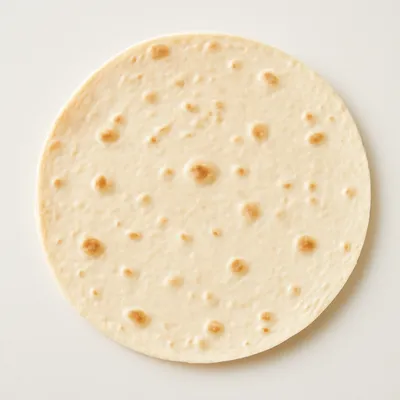
Soup-deep bowl, brick-red broth dotted with orange chorizo oil. Beans are creamy at the bite, holding their shape but yielding instantly — pot likker thicker than chicken broth, thinner than chili. Bacon gives smoke; chorizo gives paprika and pork; serrano gives a clean grassy heat. Cilantro is bright on top. You tear a flour tortilla and use it as a spoon. The last sip is broth, bean-thick, faintly sweet from the simmered onion.
Two things separate good frijoles charros from a generic bean soup. First: the salt-late rule. Beans cooked in salty water never get fully creamy because sodium ions interact with the cell-wall pectins; salt at the end and the beans stay tender. Second: the sofrito (bacon → chorizo → onion → tomato) is built separately and added once beans are soft, so the chorizo's paprika oil floats free in the broth instead of getting muddied by long simmering with raw beans.
Variations
Frijoles a la mexicana drops the chorizo and bacon; frijoles borrachos add beer to the pot; Texan «cowboy beans» on the US side run sweeter with brown sugar and barbecue sauce.
On the Palate
Where Frijoles Charros sits in the Mexican flavor cloud
Ingredients
Serves 6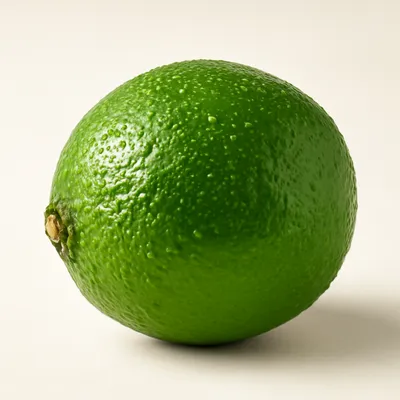



How it's made
7 steps · 40 min active + 2 hours 20 min waiting
- 15 min
Sort 400g dried pinto beans, picking out stones and shriveled beans. Rinse, then soak in 2L cold water 8 hours or overnight. Drain.
Watch outSoaking is optional but cuts cook time by 40 minutes — the cooking liquid will also be less starchy.
- 292 min
Combine drained beans, 2.5L fresh water, 1 white onion halved, 4 garlic cloves smashed, and 2 bay leaves in a clay olla or heavy Dutch oven. Bring to a boil, reduce to a bare simmer, cook partially covered 90 minutes until beans are tender but not bursting. Do not salt yet.
Watch outSalting before beans soften toughens the skins — salt only after they're already tender.
- 36 min
While beans cook, dice 150g thick-cut bacon and render in a skillet over medium 6 minutes until crisp. Slotted-spoon out bacon, leave 2 tbsp fat in pan.
- 45 min
Add 200g Mexican chorizo (casing removed) to bacon fat. Break up and cook 5 minutes until rendered and browned.
- 59 min
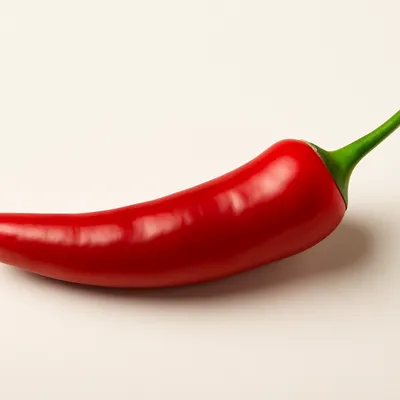
Add 1 finely diced white onion and 3 minced serrano chiles (seeds in for medium heat); cook 4 minutes. Add 4 minced garlic cloves and 3 diced Roma tomatoes; cook 5 minutes until tomato breaks down.
- 625 min
When beans are tender, scoop the cooked onion and garlic out and discard (they've given their flavor). Pour the entire chorizo-tomato sofrito plus the reserved bacon into the bean pot. Stir, simmer uncovered 25 minutes — broth should reduce slightly and turn brick-red.
- 73 min
Salt to taste — usually 2 tsp. Stir in 4 tbsp chopped cilantro just before serving. Ladle into bowls broth-deep; serve with warm flour tortillas and lime wedges.
Archive tool suggestions — not reviewed
These legacy suggestions have not been evidence-reviewed and are not presented as required tools.
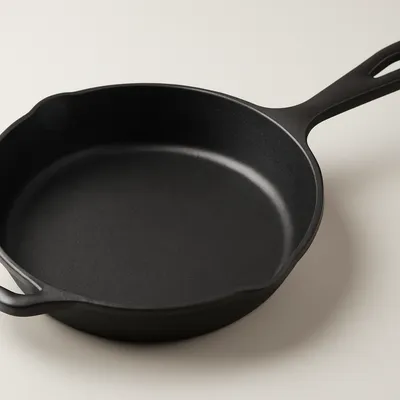
A heavy, single-piece cast iron pan, 25-30 cm across, weighing 1.5-2.5 kg. Once preheated, the thick mass holds 230°C+ even when a cold steak hits the surface — that's the secret to a deep crust. A well-seasoned skillet (multiple thin layers of polymerized oil baked into the iron) is essentially nonstick, gets better with use, and lasts a century. Lodge skillets from Tennessee have been in continuous production since 1896.

A heavy enameled or bare cast-iron lidded pot, 4-7 liters, with thick walls and a snug lid. The mass evens out hotspots; the lid traps moisture for braising. Sears on the stovetop, then transfers to a 150°C oven for 3-4 hours of even, contained heat — the structural difference between a beef bourguignon that comes out luminous and one that turns to gray mush. Le Creuset and Staub are the celebrated versions; an old American Wagner is functionally identical.

A round-bellied unglazed clay pot, 1.5-3 liters, with a domed lid and side handles, used for slow-cooking Chinese soups, claypot rice (煲仔饭), and stews. The clay's high porosity diffuses heat slowly so soups never come to a violent boil — flavor develops over 2-3 hours of low simmer. Cantonese claypot rice gets its prized crispy bottom (锅巴) from the same direct-flame stovetop heat that would crack a less robust pot.


