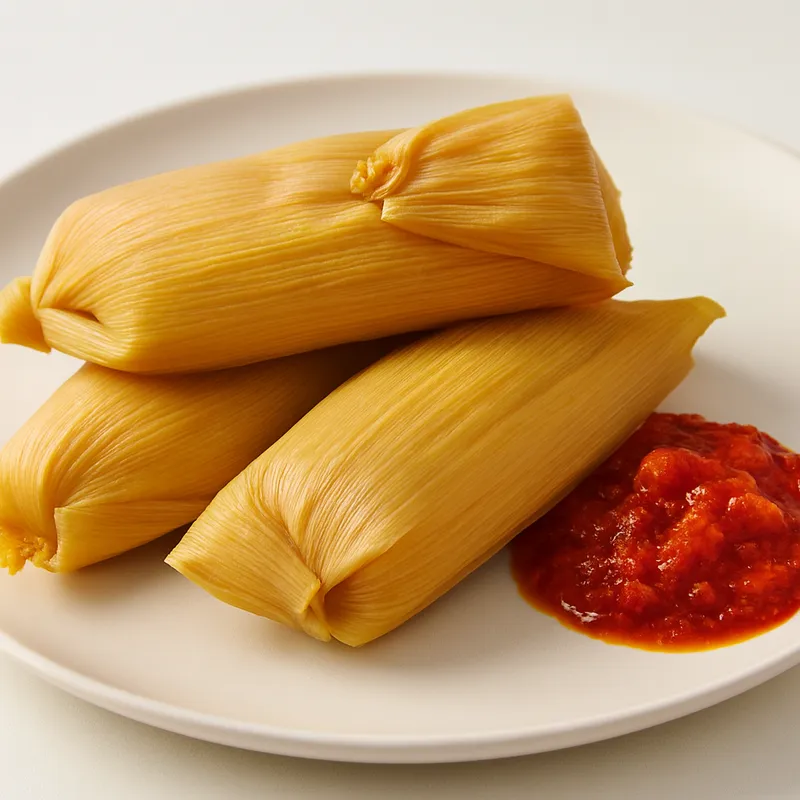
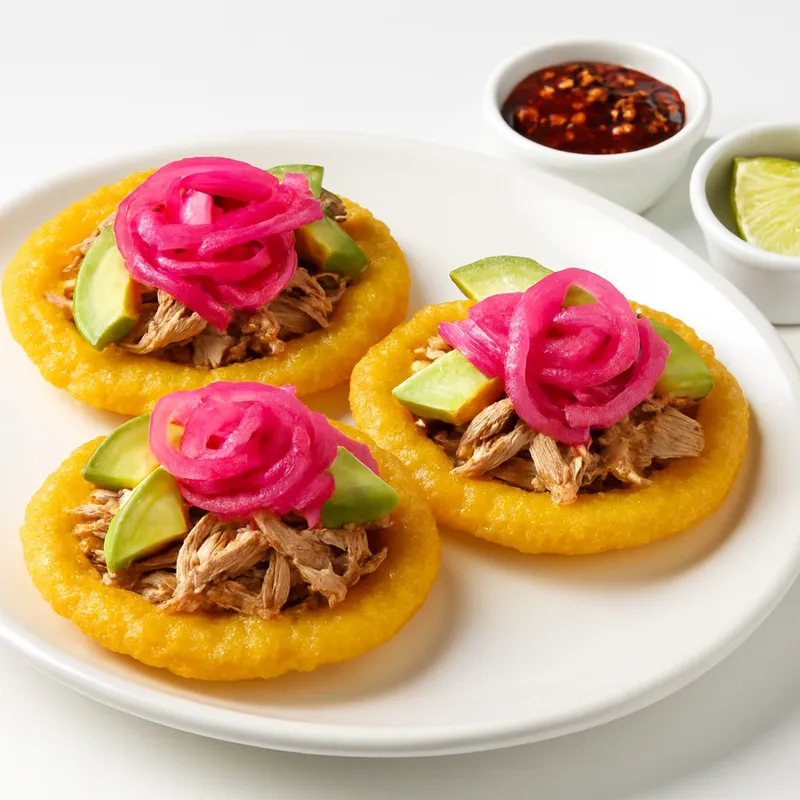
Fried corn tortillas slit and stuffed with refried black beans, then topped with cochinita pibil, pickled red onion, and habanero salsa.


Panuchos are Yucatán's defining street snack, originating in Mérida and Campeche. The name traces to a 19th-century Mérida cook nicknamed «Don Hucho» whose stuffed-tortilla snacks circulated under the contraction «pan de Hucho» — though this is the popular etymology, not settled fact. The format itself — bean-stuffed puffed tortilla — descends directly from Mayan tortilla cookery, with the fried-and-topped finish layered on after Spanish lard and pork arrived.
Yucatán's defining street snack from Mérida and Campeche. Tortilla must puff on a 220°C comal (top hotter than bottom) — only the air-pocket layer creates the cavity for the bean paste. Then fried, topped with cochinita-pibil pork, pickled red onion, habanero.
First crunch: a thin shattering of the fried tortilla edge, then your teeth hit the soft warm bean layer hidden inside, then the achiote-orange pork on top. The pickled onion cuts through with vinegar; the habanero hits last and lingers. A proper panucho is brittle on the bottom and yielding on top — if the base is chewy or floppy, the oil was cold or the bean stuffing was too wet.
Two technical hinges make a panucho work. First, the tortilla must puff on the comal — only the air-pocket layer creates a stuffable cavity, and that puff requires fresh, properly hydrated masa cooked on a 220°C surface that's hotter on top than bottom. Second, the bean paste must be reduced to spreadable thickness; wet beans steam the tortilla from inside during frying and the base never crisps.
Variations
Mérida cantinas (La Chaya Maya) keep the achiote pork; Campeche serves them with cazón (dogfish) instead of pork; Valladolid versions stay smaller and use less onion. Salbutes are the cousin — same dough, fried, but unstuffed.
On the Palate
Where Panuchos sits in the Mexican flavor cloud
Ingredients
Serves 4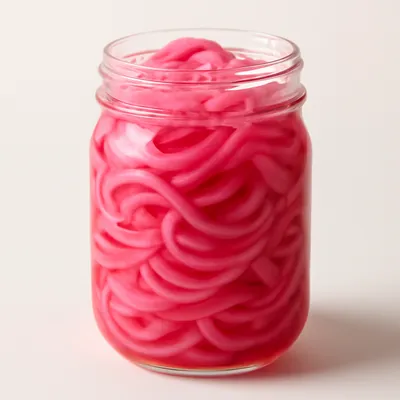
How it's made
5 steps · 35 min active + 15 min waiting
- 112 min
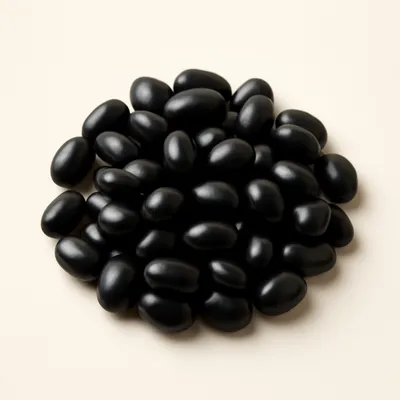
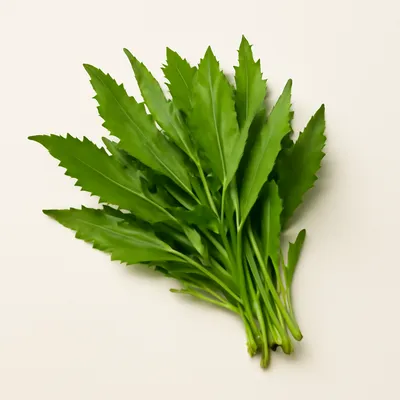
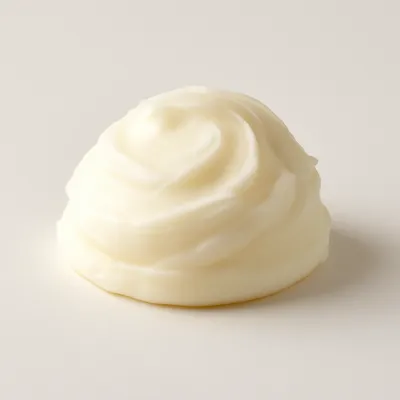
Make refried black beans: blend 300g cooked black beans with 100ml of their cooking liquid, 1 epazote sprig, and 1/2 tsp salt. Render 30g lard in a skillet, pour in the bean purée, and stir over medium heat 6-8 minutes until thick enough to hold a line drawn with a spoon.
Watch outBeans must be paste-thick, not soupy — wet beans rip the tortilla open when stuffed.
- 214 min
Make 12 fresh masa tortillas from 250g masa harina + 320ml warm water + 1/2 tsp salt. Press to 12cm rounds and cook on a dry comal at 220°C, 45 seconds per side, then 30 seconds back on the hot face — they should puff. The puff is what creates the pocket.
Watch outIf a tortilla doesn't puff it has no pocket — set those aside for tostadas.
- 38 min
While each tortilla is still warm, slip a paring knife into the puffed edge and slice a 4cm slit. Spoon 1 heaped tbsp warm bean paste inside and press flat to seal. Stack under a cloth.
Watch outTortilla goes leathery once cool — slit and stuff while still hot or the pocket reseals.
- 48 min
Heat 1.5cm of lard or vegetable oil in a wide pan to 190°C. Fry the stuffed tortillas 60-75 seconds per side until they blister and crisp at the edges. Drain on paper.
Watch outBelow 180°C the panucho soaks oil and goes soggy.
- 55 min
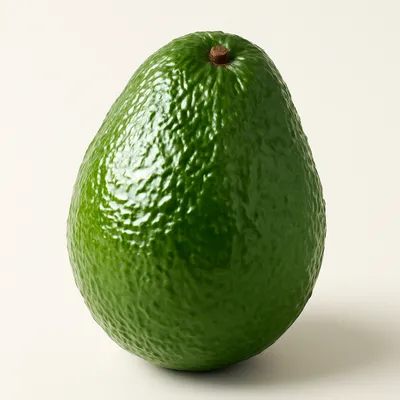
Top each panucho with 40g shredded cochinita pibil (warm), a heap of pickled red onion (cebolla en escabeche), 2 slices of avocado, and 1/2 tsp habanero-tomato salsa. Eat immediately while the base is crisp.
Archive tool suggestions — not reviewed
These legacy suggestions have not been evidence-reviewed and are not presented as required tools.
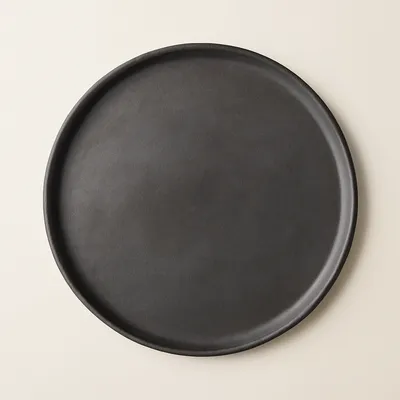
A flat round griddle of steel, cast iron, or unglazed clay, 30-50 cm across, the workhorse of the Mexican kitchen. It sits directly over a flame to toast tortillas (the puff happens in 30 seconds when the heat is right), char chiles for moles, blister tomatoes for salsas, and warm reheated leftovers. Clay comales (especially from Oaxaca) season with each use and impart a faint smoky tang that no metal version can fake.

A heavy, single-piece cast iron pan, 25-30 cm across, weighing 1.5-2.5 kg. Once preheated, the thick mass holds 230°C+ even when a cold steak hits the surface — that's the secret to a deep crust. A well-seasoned skillet (multiple thin layers of polymerized oil baked into the iron) is essentially nonstick, gets better with use, and lasts a century. Lodge skillets from Tennessee have been in continuous production since 1896.