
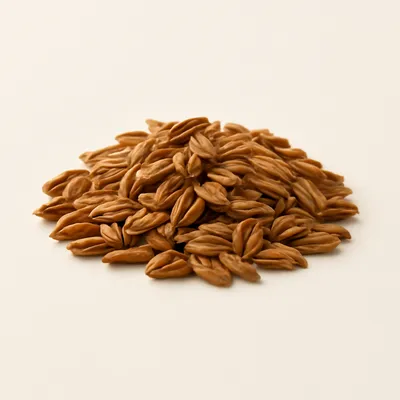
Kid-goat viscera — liver, heart, kidney and lung — cut up and stewed in lard with the animal's own blood, in a sauce of fire-roasted tomato, ancho chile, garlic, onion, bay, marjoram, oregano and cumin. The blood enriches and darkens the stew as it cooks, thickening it to a deep, glossy braise. It is a defining dish of Nuevo León's goat country, eaten with corn tortillas, and the most complete expression of the regional rule that no part of the kid is wasted. Rich, mineral and deeply spiced.

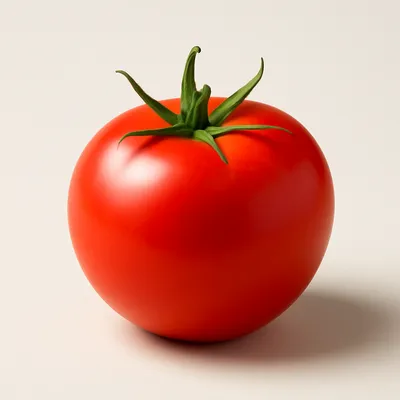




Fritada descends from chanfaina, the Spanish blood-and-offal stew of Extremadura, brought by the colonists who settled Coahuila, Nuevo León and Tamaulipas from the late 1500s and raised the goats, sheep and lambs of the dry northeast. Onto that Iberian base they grafted the local larder — fire-roasted tomato and ancho chile, the wild marjoram and oregano of the scrub. The dish embodies the frugal logic of ranch cookery: after the prized cabrito is set to roast, its blood and viscera become a second, equally esteemed dish rather than waste.
A dark, almost mahogany stew, thick and clinging, smelling of roasted chile and warm cumin. The blood gives a deep, iron-rich savor and a velvety body; the chopped organs hold their own textures within it — soft liver, springier heart, the faint give of lung. Ancho lends sweetness and a mild fruity heat rather than sharp fire, and the herbs cut through the richness. Scooped into a warm corn tortilla, it eats hearty and unmistakably of offal, in the best way.
Blood is the thickener and the flavor: it is rich in protein that sets gently as the stew heats, so adding it late and holding the pot below a hard boil binds the sauce to a glossy, velvety body — boil it too hard and the protein seizes into grains. Roasting the tomato and toasting the dried ancho before they go into the sauce build depth through the Maillard reaction and unlock the chile's fat-soluble flavor and color. Lard carries those flavors and keeps the lean organs moist. The cumin, oregano, marjoram and bay are the Iberian seasoning signature that ties the whole braise together.
Variations
Some cooks include the kid's blood for the classic dark, thickened fritada, while others leave it out for a lighter, redder version closer to a plain offal guisado; with blood it is often called cabrito en su sangre. The chile mix varies — ancho is standard, sometimes with a little guajillo. A few versions char the tomatoes and chiles harder for a smokier sauce, and the herb balance of oregano, marjoram and cumin shifts from kitchen to kitchen.
On the Palate
Where Fritada de Cabrito sits in the Mexican flavor cloud
Ingredients
Serves 6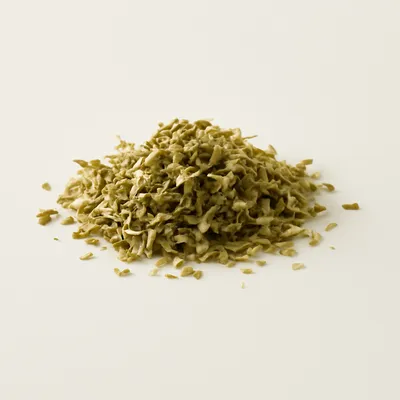

How it's made
8 steps · 50 min active + 1 hour waiting
- 125 min
Clean and cut the kid-goat viscera — liver, heart, kidney and lung — into even pieces, and reserve the blood.
- 220 min
Fire-roast the tomatoes; toast and soak the ancho chiles, then blend with garlic and onion into a sauce.
Watch outToast the ancho just to fragrant before soaking and blending — toasting unlocks its color and flavor, but a second past fragrant turns it bitter.
- 312 min
Render lard in a heavy pot and brown the firmer organs first, then the softer ones.
- 45 min
Strain in the chile-tomato sauce and add bay, marjoram, oregano and cumin; season with salt.
- 535 min
Simmer gently until the organs are tender and the sauce has reduced and deepened.
- 68 min
Stir the reserved blood in slowly, keeping the pot below a hard boil, and cook just until it thickens and darkens the stew.
Watch outStir the reserved blood in slowly, keeping the pot below a hard boil, just until it thickens and darkens — the blood protein sets gently to body the sauce; boil it hard and it seizes into grains.
- 75 min
Adjust salt and let it rest a few minutes off the heat.
- 83 min
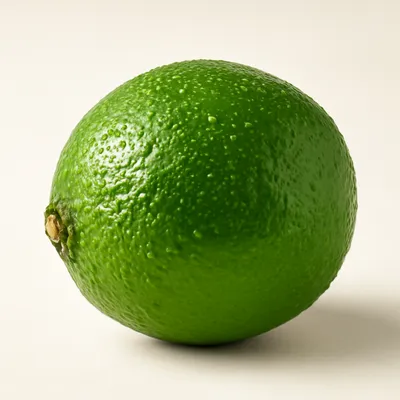
Serve with warm corn tortillas, raw onion and lime.
Archive tool suggestions — not reviewed
These legacy suggestions have not been evidence-reviewed and are not presented as required tools.


