
Pork shoulder cut in chunks and slow-braised in a smooth brick-red sauce of dried ancho and guajillo chiles, thinned and deepened with cumin, bay, garlic, and a strip of orange peel. The sauce is pure chile and spice — no chocolate, no tomato — reduced until it clings to each piece of meat in its own rendered lard. A keeping dish from the dry ranch country of Nuevo León and Coahuila, it is the standard offering at weddings, baptisms, and the saint's-day feasts (reliquias) of the Laguna region, ladled over rice and scooped up with flour tortillas.
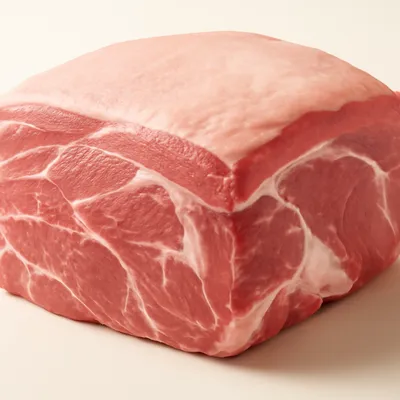




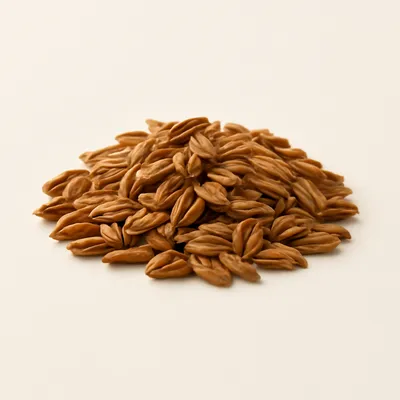
Asado de puerco is a dish of the dry northeast — Nuevo León and Coahuila, and the neighboring states — with roots estimated at more than a century and a half. It began as a way to preserve pork before refrigeration: northern grandmothers cooked it down in clay jars, covered them with cloth, and buried them in the cool earth, where the meat sealed in its own seasoned lard would keep for weeks. The hard chile sauce and rendered fat were the preservative, and the dish had the further virtue of stretching one pig across a large gathering. It became the fixed celebration food of the region — served at weddings, baptisms, and the Laguna's reliquias (saint's-day feasts) across Coahuila, Nuevo León, and into Durango and Zacatecas. It should not be confused with Zacatecas's asado de boda, which sweetens and rounds a similar chile base with chocolate; the norteño version keeps the sauce lean and chile-forward.
The meat is fork-tender, falling into chunks rather than shreds, glossed in a thick red sauce that coats the tongue. The flavor leads with the dried chiles — ancho brings a raisiny, faintly sweet depth and guajillo a brighter, tangy edge — riding on rendered pork fat, with cumin and bay warm underneath and a faint citrus lift from the orange peel. There is heat, but it is round and earthy rather than sharp. The sauce is rich enough that a little goes far; eaten with rice and a warm flour tortilla, each bite is meat, sauce, and bread together.
The technique is a chile adobo braise. The dried anchos and guajillos are toasted briefly on a comal until they smell of raisins — stop short of burning, or the whole pot turns acrid — then soaked soft and blended with garlic, cumin, and soaking water into a smooth sauce, which is strained to remove skins. The pork is browned in its own lard, then the strained chile sauce goes in and the pot simmers low for an hour or more: the long cook breaks down the shoulder's collagen into gelatin so the meat turns tender, while the sauce reduces and the chile's flavor moves into the fat that renders out of the meat. A burnt tortilla or a little masa is sometimes blended in to thicken; the orange peel is fished out at the end. The high acid and fat are exactly what once let it keep without a fridge.
Variations
Recipes shift family to family. Some add a strip of orange peel or a splash of sour-orange juice from the citrus belt; some drop in an avocado pit, said to aid digestion; the chile blend may lean more ancho for sweetness or more guajillo for tang, and a few cooks add a little cinnamon or clove. The Coahuila Laguna version, tied to the reliquias of San Pedro, is especially famous. Leftovers are folded into tacos de asado on flour tortillas. The closely related Zacatecan asado de boda diverges by adding chocolate to the sauce.
On the Palate
Where Asado de Puerco Norteño sits in the Mexican flavor cloud
Ingredients
Serves 6

How it's made
7 steps · 40 min active + 50 min waiting
- 110 min
Cut pork shoulder into large chunks; season with salt.
- 28 min
Toast dried ancho and guajillo chiles briefly on a hot comal until fragrant, stopping before they scorch; remove stems and seeds.
Watch outToast the chiles just to fragrant, stopping before they scorch — a burnt chile turns the whole pot acrid and bitter.
- 320 min
Soak the toasted chiles in hot water until soft, then blend with garlic, cumin, a little soaking water, and salt into a smooth sauce.
- 45 min
Strain the chile sauce through a sieve to remove skins.
- 510 min
Brown the pork in its own lard in a heavy pot until colored on all sides.
- 65 min
Pour in the strained chile sauce with bay leaves and a strip of orange peel; bring to a simmer.
- 775 min
Cover and braise low for an hour or more, stirring occasionally, until the pork is fork-tender and the sauce has reduced and clings; discard the orange peel and serve with rice and flour tortillas.
Watch outBraise low an hour or more until the pork is fork-tender and the sauce clings — the long cook melts the shoulder's collagen.
Archive tool suggestions — not reviewed
These legacy suggestions have not been evidence-reviewed and are not presented as required tools.


