
The icon of the Paraná coast: lean beef and pork fat layered with cumin, bay, garlic and onion in a clay pot, sealed airtight and cooked for ten-plus hours until the meat collapses into a thick, dark, near-shredded mass. It is served ladled over manioc flour, which it soaks into a paste, with sliced banana on top and rice on the side. The cumin is the signature note. A bowl of barreado is a half-day's cooking eaten in one sitting.






Barreado descends from Azorean-Portuguese settlers who reached the Paraná coast in the 18th century, where the slow sealed-pot braise was adapted to local beef and cassava. It became the food of the tropeiros — the mule-train drovers crossing between the interior and the port — who stopped in coastal towns like Morretes, Antonina and Paranaguá for cachaça and a bowl of barreado before the climb over the Serra do Mar. Three of those towns still dispute which is the true birthplace. In 2021 the dish earned a federal Geographic Indication (Indicação de Procedência), granted to an association of coastal restaurants — the 100th such registration in Brazil.
A bowl of glossy, almost-black meat broken down past the point of fibers — you eat it with a spoon, not a knife. Sprinkle dry manioc flour over the top and stir: it drinks the fat and thickens into a savory porridge. Sweet banana slices cut the richness, the way orange cuts feijoada. The flavor is deep beef and rendered pork fat, lifted by cumin and bay. It is heavy, warming, and built for a cold, damp coastal day.
The sealed pot is the whole technique. A glazed clay pot (panela de barro) is packed with alternating layers of seasoned beef and pork fat, the fat rendering down to lubricate and confit the lean cuts. The lid is luted shut with a paste of manioc flour and water, trapping every bit of steam so the contents braise in their own moisture at a low, even heat for ten to twenty hours. Nothing escapes; the collagen has time to fully melt to gelatin and the meat falls apart without ever drying. Cassava flour does double duty: as the seal, and at the table as the starch that turns the braise into a meal.
Variations
Coastal towns each defend their own: Morretes and Antonina pots run leaner and beefier, while some inland renditions add more pork. Traditionalists insist on the wood-fired clay pot and the full overnight cook; restaurant kitchens use cast iron and shorter times. The constants are cumin, the flour seal, and the manioc-and-banana service.
On the Palate
Where Barreado sits in the Brazilian flavor cloud
Ingredients
Serves 8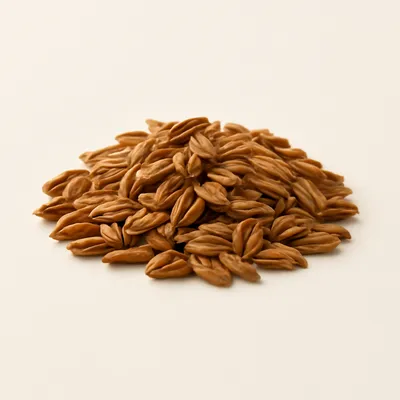

How it's made
6 steps · 1 hour
- 130 min
Cut lean beef (rump or shoulder) into large chunks; dice pork belly or fatback. Season heavily with cumin, crushed garlic, bay, salt and black pepper; ideally rest a few hours.
- 220 min
Pack a glazed clay pot in alternating layers of beef and pork fat, with chopped onion between layers; add a splash of water.
- 310 min
Mix manioc flour with water into a stiff paste. Set the lid and seal the rim all the way around with the paste so no steam can escape.
Watch outThe paste should be stiff enough to hold its shape and cling — too wet and it'll slump off the rim before it sets.
- 4720 min
Cook over very low heat (or low coals) for at least ten hours, up to twenty, undisturbed — the pot braises in its own steam.
Watch outAim for a bare whisper of heat under the pot — if steam is forcing past the seal, the flame is too high.
- 510 min
Break the seal; the meat should be falling apart in a thick dark broth. Stir to shred fully and check seasoning.
Watch outBeef that's truly done gives no resistance — it collapses into shreds as you stir the dark broth.
- 65 min
Serve ladled over a mound of dry manioc flour at the table, topped with sliced banana, with white rice alongside.
Archive tool suggestions — not reviewed
These legacy suggestions have not been evidence-reviewed and are not presented as required tools.



