
A special-occasion dish of the Brazilian Northeast: chicken braised in a dark sauce thickened with its own blood, kept liquid and slightly tart by mixing the blood with vinegar. The result is a deep mahogany-to-near-black stew, rich and faintly sour, served over white rice. It is a dish of Sunday lunches and family gatherings in Pernambuco, Paraíba and Rio Grande do Norte.
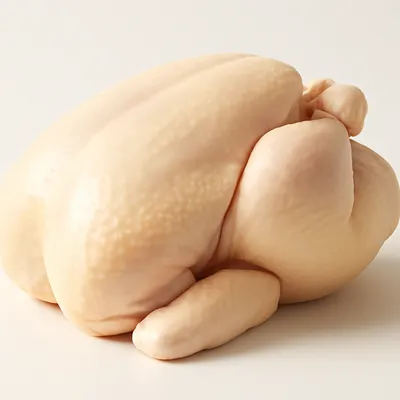





Cabidela is a Portuguese technique of cooking fowl in a sauce bound with its blood and sharpened with vinegar, documented in Portugal since the 16th century and carried to Brazil in the colonial period. It took firm root in the Northeast, where it became an occasion dish rather than everyday fare. Cooking with blood is an old practice across many cultures; in Pernambuco, Paraíba and Rio Grande do Norte the cabidela survives as a marker of traditional home cooking, also known as galinha ao molho pardo ("in brown sauce").
Tender braised chicken on the bone in a thick, dark, glossy sauce that coats the rice deep brown. The flavor is savory and full, the blood lending a mineral, almost liver-like depth that the vinegar lifts into a clean, gentle tartness rather than anything heavy. Aromatic with garlic, onion and fresh herbs, eaten spooned generously over plain white rice.
The blood is the thickener and the colorant, but it must be handled like an emulsion: it is collected with vinegar stirred straight in, which lowers the pH and keeps it from clotting into solid lumps before it reaches the pot. The chicken is browned and stewed first; the blood-and-vinegar mixture is added only at the end, over gentle heat, and stirred constantly. Held below a hard boil, the blood proteins thicken the sauce smoothly into its dark gloss; let it boil and it curdles and turns grainy.
Variations
Other fowl take the same treatment: pato (duck), galinha caipira (free-range hen) and even rabbit. In the Northeast it is served over white rice; in some southern regions it comes with angu and sauteed greens instead. Pork blood is sometimes substituted where poultry blood is hard to source, and the amount of vinegar is adjusted to taste for sharpness.
On the Palate
Where Galinha de Cabidela sits in the Brazilian flavor cloud
Ingredients
Serves 5

How it's made
6 steps · 45 min active + 50 min waiting
- 110 min
When slaughtering, collect the chicken blood into a bowl already holding vinegar, stirring at once so it stays liquid; refrigerate.
Watch outStir the blood into the vinegar the instant you collect it and keep stirring — the acid drops the pH and keeps it pourable; miss that moment and it clots into solid lumps you can't smooth out.
- 215 min
Cut the chicken into pieces and season with garlic, onion, salt and herbs.
- 312 min
Brown the chicken pieces in oil in a heavy pot until golden on all sides.
- 440 min
Add chopped onion, garlic and tomato, then enough water to cover, and simmer covered until the chicken is tender, about 40 minutes.
- 58 min
Lower the heat to a bare simmer and pour in the blood-and-vinegar mixture through a sieve, stirring constantly so it thickens smoothly without curdling.
Watch outDrop to a bare simmer before the blood goes in and stir without stopping as it thickens to a dark gloss — let it reach a real boil and the blood proteins curdle grainy.
- 65 min
Cook gently a few more minutes until the sauce is dark and glossy, adjust vinegar and salt, scatter with herbs, and serve over white rice.
Archive tool suggestions — not reviewed
These legacy suggestions have not been evidence-reviewed and are not presented as required tools.



