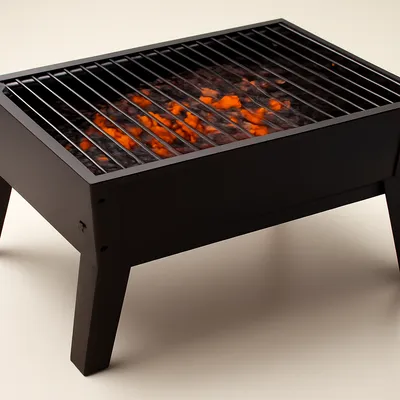
A small French roll (pão francês) is split or deeply scored, packed with a paste of softened butter, mashed garlic and mayonnaise, then threaded onto a skewer and grilled over churrasco coals until the cut edges char and the crumb turns molten and dripping. It is the opener of the Brazilian barbecue, the thing the host puts over the fire alongside the first sausages while the picanha is still coming up to temperature. Pulled hot off the espeto, the crust crackles and the inside collapses into garlicky butter. Many versions are stuffed with mozzarella or parmesan so the bread pulls apart in cheesy strings.




Pão de alho's exact origin is unsettled. Brazilian sources trace garlic bread broadly to European peasant practice (using garlic and oil to revive stale bread, as in Portugal, Spain and Tuscany's pane all'aglio), while the Portuguese-language entry for the dish links it instead to the Italian-American garlic bread of US immigrant kitchens. What is firmly documented is its place in Brazilian food culture: by the late twentieth century it had become the signature warm-up of the churrasco, especially in the gaúcho barbecue heartland of Rio Grande do Sul, where meats are grilled on long skewers (espetos) over coals. The mass-market frozen espeto of garlic-buttered bread, sold ready to drop straight onto the grill, carried the dish from regional cookout to a nationwide staple, though no single inventor or founding date for the Brazilian version can be reliably confirmed.
You bite through a shell that shatters and crackles, then hit the soft middle where the crumb has soaked up melted garlic butter and gone almost custardy. The garlic is sweet and mellow rather than sharp, the cut faces taste of char and toasted bread, and if it is the cheese version the inside stretches into hot strings. It is finger food, eaten standing at the grill, often torn off and used to mop fat and juice from a just-sliced picanha.
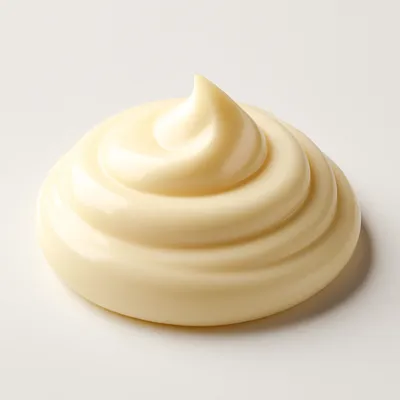
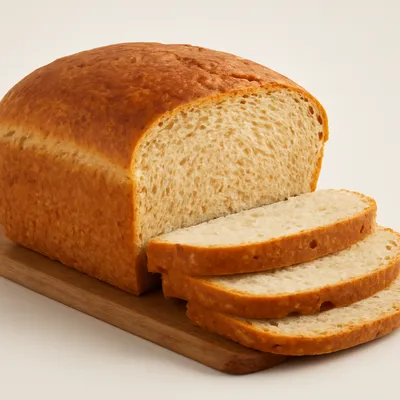
Three things keep the bread from drying to a cracker over live coals. The fat coats the crumb and conducts heat gently while staying below the temperature at which bread scorches, so the inside warms and softens instead of toasting through. The mayonnaise is the quiet workhorse: it is an oil-in-water emulsion stabilized by egg yolk lecithin, so it carries water into the crumb and its surface proteins and sugars brown readily, giving a faster, more even gold than butter alone. The open, airy crumb of pão francês acts like a sponge, wicking the molten butter-mayo paste deep before it can run off. Meanwhile the skewer holds the loaf at the grill's edge over indirect coal heat and lets you rotate it, so the cut faces take Maillard browning and char while the center never burns; raw garlic's harsh allyl sulfides, formed when the cloves are crushed, break down and mellow into sweeter compounds as they heat in the fat.
Variations
The most common upgrade is pão de alho com queijo, stuffed with mozzarella or parmesan so it pulls apart in cheese strings. Cooks fold chopped parsley, oregano, chives or cilantro into the butter, or sharpen it with a hit of paprika or chili. The defining modern form is the supermarket frozen espeto, sold pre-buttered and pre-skewered to go straight onto the churrasco grill. Some bake it in a 200°C oven or wrap it in foil instead of grilling; others use a sliced baguette rather than individual rolls, or swap part of the butter for olive oil for a leaner, more Mediterranean version.
On the Palate
Where Pão de Alho sits in the Brazilian flavor cloud
Ingredients
Serves 4
How it's made
6 steps · 10 min active + 5 min waiting
- 13 min
Soften the butter to room temperature and crush or finely mince the garlic; chop the parsley.
- 24 min
Mash the butter, garlic, mayonnaise, parsley and a pinch of salt into a smooth, spreadable paste (blend in grated cheese here if using).
- 34 min
Split each French roll lengthwise without separating the halves, or score it deeply at intervals, and spread the garlic paste into every cut.
Watch outSplit each roll without separating the halves and spread garlic paste into every cut — the open, airy crumb wicks the butter-mayo deep so it won't run off in the fire.
- 42 min
Thread two or three rolls onto a sturdy skewer through the spine so they hold together over the fire.
- 57 min
Grill over medium churrasco coals at the cooler edge of the grill, turning often, until the crust crackles and the cut faces are charred and golden, about 5 to 8 minutes.
Watch outGrill at the cooler edge of the coals, turning often, until the crust crackles and the cut faces char golden — over direct high heat the bread dries to a cracker before it browns.
- 61 min
Pull off the skewer, brush on any leftover paste, and serve hot, torn apart, as the opener of the barbecue.
Archive tool suggestions — not reviewed
These legacy suggestions have not been evidence-reviewed and are not presented as required tools.