Whole chicken hearts trimmed, salted, and threaded a dozen or more to a skewer (espetinho), then grilled fast over hot charcoal until the outsides crust and char while the insides stay springy and juicy. A fixture of the churrascaria rodízio and a nationwide botequim and street-stand snack, served straight off the spit with farofa, vinagrete, and cold beer.





Chicken hearts belong to Brazil's deep churrasco tradition, born among the gaúchos of Rio Grande do Sul who salted meat and grilled it over open coals, and to the espetinho culture of roadside stands and corner botequins where cheap, fast-cooking cuts are skewered to order. They became a signature round of the rodízio service, the all-you-can-eat carve-at-your-table format whose most widely cited origin traces to a churrascaria on the BR-116 highway in Jacupiranga, São Paulo state, in the mid-1960s; the model spread to the city of São Paulo and beyond through the 1970s, though rival claims place its birth in Rio Grande do Sul. On any rodízio belt, the heart skewer is prized out of proportion to its size, the smoky-salty bite diners reach for first when it passes the table.
Each heart is a bite-sized nugget of dense, dark muscle, springy and tender with the faint mineral tang of organ meat, more savory and iron-rich than any cut of breast or thigh. The salt-crusted exterior carries char and charcoal smoke; the inside stays moist, almost juicy, when it's pulled off the heat in time. You eat them straight from the skewer, dragging each heart off with your teeth, often a dozen or more to a stick, chasing the smoky-salty hit with farofa, a spoon of vinagrete, and a swallow of icy beer.
A chicken heart is a tiny knot of working muscle, only a few grams each and densely packed with myoglobin, the iron-bearing pigment that gives organ meat its dark color and metallic, savory depth. Because the piece is so small, it cooks through in minutes, which is also the trap: held too long over the coals, its tightly bundled muscle fibers contract and squeeze out moisture, turning shriveled and rubbery. The fix is fierce, direct heat for a short time, three to four minutes a side, so the surface dehydrates and browns through the Maillard reaction (the high-temperature cascade between amino acids and sugars that builds roasted, meaty flavor and the salt-crusted crust) while the interior never overshoots. Trimming the tough arteries and any hard fat at the top matters because they set faster than the muscle and turn leathery. Salt draws surface moisture into a thin brine that seasons inward and helps the crust form; a marinade of garlic, lime, and beer adds acid that loosens the fibers and aromatics that cling to the char. Threading many hearts tightly together buffers them, slowing the heat into the center so the skewer cooks evenly without the outer pieces scorching.
Variations
The rodízio churrascaria version is the purest: hearts seasoned with nothing but coarse salt, grilled and carved tableside in an endless rotation. The espetinho-stand version, sold by the stick at roadside grills and bars, is the everyday format and the most common. Na cerveja marinates the hearts in beer, garlic, and lime (or white wine) for a few hours before grilling for extra tenderness and aroma; ao alho e óleo finishes or seasons them with garlic and oil. Some cooks alternate hearts with onion and bell pepper on the same skewer; others brine them first to guard against toughness. Across the country they share the table with grilled linguiça, picanha, kibe, and other espetinho rounds.
On the Palate
Where Coração de Frango sits in the Brazilian flavor cloud
Ingredients
Serves 4
How it's made
7 steps · 25 min
- 112 min
Clean the chicken hearts: trim the hard fat and the tough arteries at the top of each, then rinse well, working the lime juice through them, and drain.
Watch outTrim off the hard fat and the tough artery at the top of each heart — leave them and every bite hits a chewy knot.
- 2120 min
Season simply with coarse salt for the classic rodízio style; or for na cerveja, marinate the hearts in beer, crushed garlic, and a squeeze of lime in the fridge for 2 hours, then drain.
- 38 min
Thread the hearts tightly onto skewers, a dozen or more per stick, packing them snugly so they cook evenly (optionally alternating with onion or pepper).
- 412 min
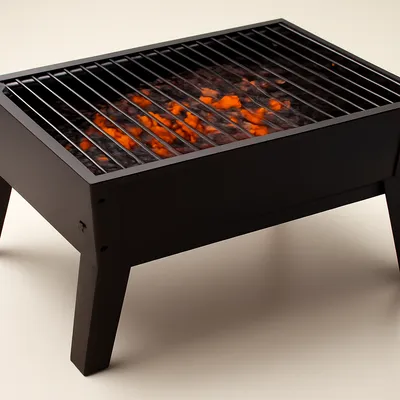
Build a hot charcoal fire and let it burn to glowing embers with no flames; salt the skewers again lightly if cooking the dry-salt way.
- 58 min
Grill over direct high heat, turning every minute or two, for about 3 to 4 minutes a side until the outsides are charred and crusted.
Watch outGrill fierce and fast, 3 to 4 minutes a side — held too long the tight little muscle squeezes out its juices and shrivels rubbery.
- 62 min
Pull them off the moment they are browned and still springy inside, before they shrivel and turn rubbery; rest 1 minute.
Watch outPull them the moment they're browned and still springy inside — that spring is the sign they're juicy, not overdone.
- 72 min
Serve straight from the skewer with farofa, vinagrete, and very cold beer.
Archive tool suggestions — not reviewed
These legacy suggestions have not been evidence-reviewed and are not presented as required tools.