Coils of coarse-ground fresh pork sausage grilled first over the churrasco coals and served sliced as the opening bite while the beef cuts cook.




Linguiça is the Iberian sausage tradition carried to Brazil by Portuguese colonists, who knew it at home as one of the enchidos. The word itself runs back to Latin lucanica — a cured pork sausage the Romans associated with Lucania in ancient southern Italy — inherited through Old Galician-Portuguese rather than borrowed later from Italian. Brazil eventually wrote its sausages into law: a 2000 Agriculture Ministry standard (Instrução Normativa 4) fixed four named linguiças — calabresa, portuguesa, toscana and paio. The grill version is the toscana: fresh, coarse-ground, all pork, never smoked, and on the churrasco it goes on before the beef. Calabresa, the other household name, is a different animal — a cured, paprika-and-Calabrian-pepper sausage credited to Italian immigrants in São Paulo's Bixiga district in 1937, the one that ends up on pizza and in feijoada.
First off the grill, while everyone is still waiting on the picanha. The sausage comes off in a browned coil, the natural casing tightened and blistered, and the cook slices it into thumb-thick rounds on the board. Bite through the casing — it gives a brief snap, then splits — into coarse, juicy pork shot through with garlic and a faint anise note from fennel seed. Fat has rendered and crisped the skin; smoke has soaked in from the coals. You eat it straight off the board with toasted farinha, a slice of pão de alho (garlic bread grilled alongside), and the first cold beer, no knife and fork needed.
Toscana is a fresh sausage, not a cured one: raw pork seasoned and stuffed, it must stay cold and cook through like any fresh meat, which is the opposite of calabresa, where weeks of curing and smoke do the preserving. The natural pork casing is what gives the snap — it is mostly collagen, which tightens and turns translucent over the fire and resists the tooth for an instant before it tears. Coarse grinding and roughly a quarter fat keep the inside moist: the fat melts over the coals and bastes the lean from within instead of draining away. The sausage goes on first for two practical reasons. It cooks fast, so it is ready while the thick beef cuts are barely warm; and the fat it drips seasons the grill and feeds the fire for the meat that follows. Heat stays moderate and the coil gets turned often — too hot, and the casing shrinks faster than the center cooks and bursts, spilling the juice that should have stayed inside.
Variations
Toscana is the grill standard — fresh, coarse, fennel-and-garlic pork. Calabresa is its cured, smoky, paprika-hot cousin, sliced onto the grill from 15 cm above the coals. Linguiça acebolada is finished smothered in sliced onions; linguiça na cerveja is simmered in beer before or instead of grilling. Regional styles run deep: the colonial linguiças of southern German and Italian settlement towns, the smoked artisanal sausages of Minas Gerais, the cuiabana of Mato Grosso, and the linguiça of Bragança in Pará, a noted northern style in its own right.
On the Palate
Where Linguiça sits in the Brazilian flavor cloud
Ingredients
Serves 6

How it's made
6 steps · 5 min
- 110 min
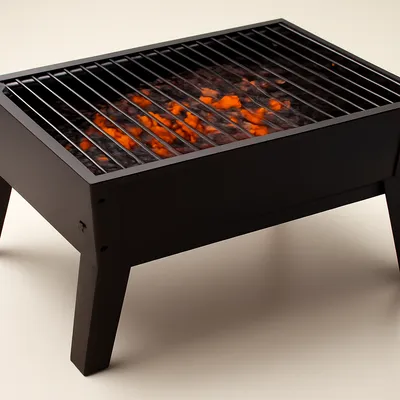
Build a charcoal fire and let it burn down to an even bed of medium coals — you want a steady, moderate heat, not roaring flames.
Watch outLet the fire burn down to an even bed of medium coals — steady moderate heat cooks the sausage through and blisters the casing; roaring flames just char the outside while the middle stays raw.
- 22 min
Keep the fresh linguiça toscana whole and coiled; prick it in a few spots only if it is very fat, and never separate the links.
- 318 min
Lay the coil over the coals and grill 15–20 minutes, turning often, until the casing is browned and blistered and the juices run clear.
Watch outGrill turning often until the casing browns and blisters and the juices run clear — it's a fresh sausage, so clear (not pink) juice is your cooked-through signal.
- 44 min
Set garlic bread (pão de alho) on the grill alongside for the last few minutes so it toasts in the dripping fat.
- 52 min
Move the sausage to a board, rest it 2 minutes, then slice into thumb-thick rounds.
- 61 min
Serve straight off the board with toasted farinha and the garlic bread, as the opening bite while the beef finishes.
Archive tool suggestions — not reviewed
These legacy suggestions have not been evidence-reviewed and are not presented as required tools.