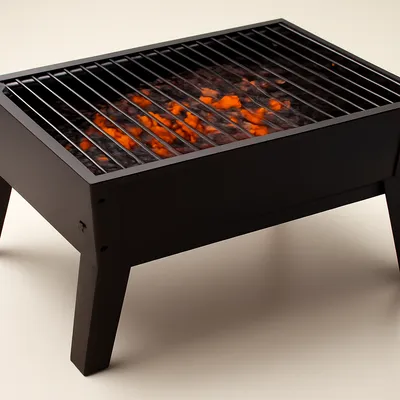
The beef-rib course at the heart of a Brazilian churrasco — costela, threaded onto a long iron spit (espeto) or laid over the grelha and grilled slowly over a bed of charcoal until the fat renders and the meat slides off the bone. The prized cut is costela ponta de agulha, the well-marbled lower ribs near the plate, scored or left in slabs and seasoned with little more than coarse salt. This is the everyday and restaurant form of the gaúcho rib: the centerpiece skewer of the all-you-can-eat rodízio house and the long centerpiece of any backyard churrasco, descended from but distinct from the staked-rack fogo de chão of the open ranch. Hours of patient, distant heat turn a tough working muscle into smoke-edged, pull-apart beef.



Costela is the oldest of the churrasco cuts. On the Rio Grande do Sul pampas of the 18th and 19th centuries, gaúcho herdsmen butchered cattle on the open range and cooked large bone-in pieces over open fire seasoned only with coarse rock salt, and the fatty, slow rib suited an all-day cook better than any lean cut. That ranch fire — fogo de chão, the rack staked upright in the ground — is the ancestor; the version eaten today in cities and restaurants is its skewered, coal-grilled descendant. The all-you-can-eat rodízio service that made the churrascaria famous took shape in southern Brazil and São Paulo around the middle of the 20th century and spread nationwide through the 1970s and 1980s, with costela ponta de agulha as one of its signature skewers. Unlike picanha, whose stardom is a restaurant-era invention of the same decades, the rib was always the people's cut.
A slab of rib comes off the fire dark and crusted on the fat side, the bones poking through, the surface glossy where the fat has rendered. You don't slice it thin against the grain the way you do picanha — you cut between the bones, or just pull, and the meat lets go in juicy, smoke-scented strands. The well-marbled ponta de agulha eats richer and softer than the leaner front ribs; the outer bark is chewy and salt-edged, while the meat against the bone is melting where the collagen has turned to gelatin. There's gristle and cartilage worth gnawing, fat worth its richness, and no sauce needed — just coarse salt, farofa to soak the drippings, bread, and a cold beer. In a rodízio it arrives on the spit, the passador carving slices straight onto your plate.
The rib is grilled low and slow at a distance from the coals, never directly over high flame, because the goal is time, not sear. Over four to six hours the abundant connective collagen in this hard-working muscle hydrolyzes into gelatin — the change begins around 70°C and accelerates toward 80–85°C, and it is what turns tough, sinewy rib into something that pulls apart and stays juicy, since the gelatin holds the water that shrinking muscle fibers would otherwise squeeze out. The thick fat cap and intramuscular marbling render slowly, basting the meat and depositing smoke compounds on the surface to build the dark, savory bark through Maillard browning. Bone-side down for most of the cook shields the meat and lets heat travel gently through the rack. Coarse salt goes on heavy but late relative to fast cuts: over a long fire it crusts the surface and seasons inward without drawing the deep meat dry. The cook's real tool is distance from the embers — managing radiant heat, not the clock.
Variations
Costela ponta de agulha is the marbled, tender favorite; costela do dianteiro (the first five front ribs) gives larger bones, leaner meat, and needs longer. Costelão means a giant whole-rack slab, often the showpiece of a big churrasco; costela no bafo wraps the rib partway through — in foil or under a cover — to steam it tender and shorten the cook. Some grill it bone-side down on the grelha the whole time; others thread it on the espeto and turn it every ten minutes. Many cooks finish with a salmoura, a coarse-salt brine sprayed on rather than dry salt. Costela com mandioca pairs it with boiled cassava; the staked, slow costela ao fogo de chão remains the ranch ancestor of them all.
On the Palate
Where Costela sits in the Brazilian flavor cloud
Ingredients
Serves 8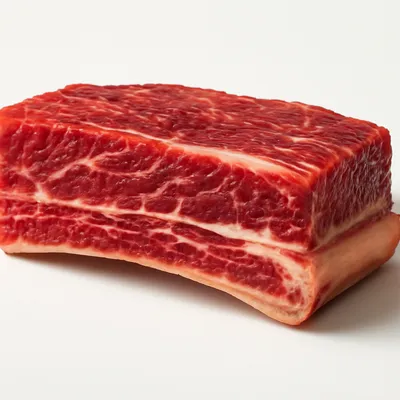
How it's made
8 steps · 5 hours 30 min
- 140 min
Build a charcoal fire and let it burn down to a steady, even bed of embers — you want low, lasting radiant heat, not flames.
Watch outWait until the coals collapse to a steady, ash-grey glowing bed with no flames licking up — you're cooking on low, lasting heat off to the side, and any live flame will scorch the fat cap.
- 210 min
Trim the rib rack lightly, leaving the fat cap on; rub the exterior generously with coarse salt shortly before it goes on the fire.
- 35 min
Thread the rib onto a long iron spit, or lay it on the grelha bone-side down, set well back from the coals.
- 4300 min
Grill low and slow for four to six hours, keeping the meat distant from the embers so the surface darkens without scorching; if on a spit, turn it about every ten minutes.
Watch outKeep the rib set well back so the surface darkens slowly over hours without charring — this is time, not sear; the collagen only melts to gelatin with the long, gentle heat.
- 530 min
Feed the fire to hold a constant low heat and let the fat cap render gradually, basting the meat as it goes.
- 630 min
Optionally wrap the rib in foil partway through (costela no bafo) to steam it tender and speed things along, then unwrap to crisp the bark.
- 710 min
Test by lifting a bone — when the meat pulls away easily and the bark is dark, take it off and rest it a few minutes.
Watch outTest by lifting a bone — when the meat pulls away easily and the bark is dark, it's done; if the bone still grips the meat, it needs more time on the fire.
- 85 min
Cut between the bones or pull into strands; serve with farofa, bread, and a cold drink.
Archive tool suggestions — not reviewed
These legacy suggestions have not been evidence-reviewed and are not presented as required tools.