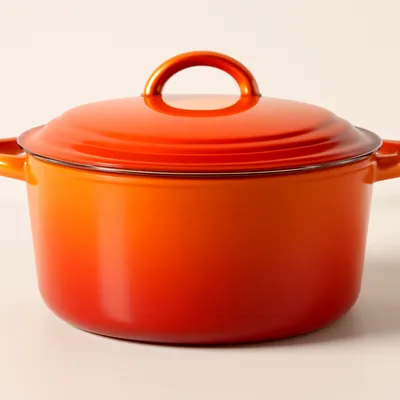
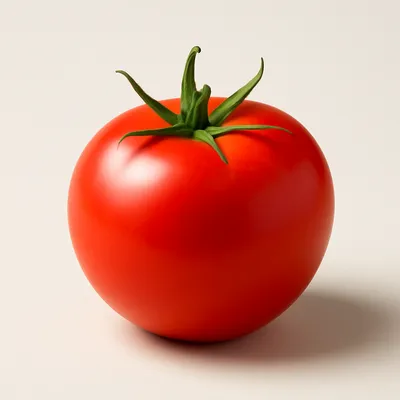
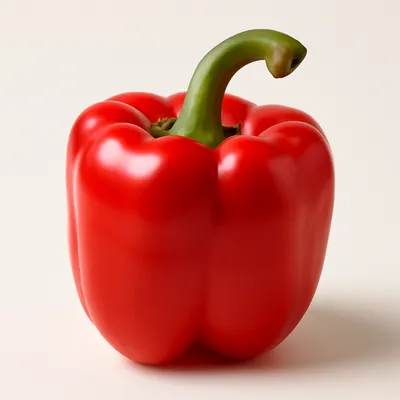
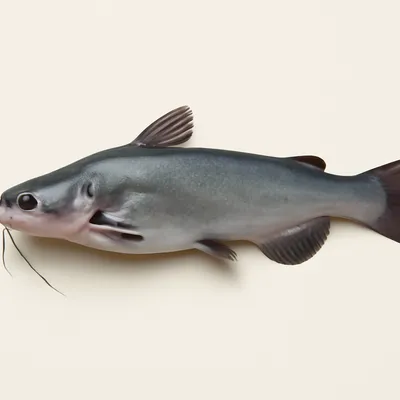
The flagship dish of the Pantanal wetlands: pintado, a prized spotted river catfish, stewed into a thick, creamy broth thickened with cassava (mandioca). Pieces of fish are simmered with onion, tomato, peppers, and herbs while chunks of cassava cook down until some dissolve and bind the liquid into something between a soup and a stew. It is a freshwater dish through and through — no coconut milk, no palm oil — and one of the best-known plates of Mato Grosso and Mato Grosso do Sul.
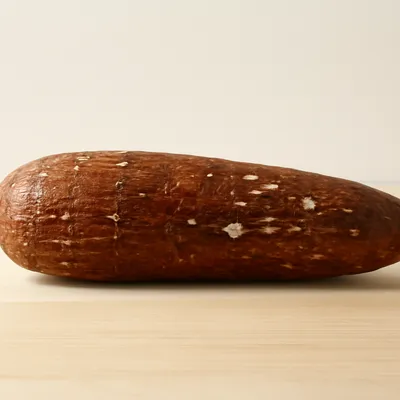


Mojica de pintado comes from the Pantanal, the vast seasonally flooded plain straddling Mato Grosso and Mato Grosso do Sul, where the rivers run thick with fish and cassava is the staple starch. The dish grew out of the riverine cooking of indigenous and caboclo communities, who built meals around the day's catch and the manioc they grew. The name mojica is of indigenous origin and is popularly read as river fish cooked with cassava, an apt description even if the etymology is not firmly documented. Pintado, one of the noblest fish of these waters, is the classic choice; the dish is now a fixture of regional restaurants and festas.
A bowl of pale, golden-flecked broth thick enough to coat the spoon, the cassava giving it a smooth, faintly grainy body. Chunks of pintado sit in it firm and white, the fish clean and mild with almost no small bones — one reason it is so prized. Tomato and pepper brighten the richness, and a few drops of fiery cheiro pimenta are the traditional finish. It is hearty river food, served hot with white rice and cassava flour on the side to thicken it further at the table.
Cassava does the thickening: added in chunks, the softer pieces break down as they cook and shed starch into the broth, gelatinizing it into a creamy body without any flour or dairy — this is what separates mojica from a thin fish soup. The fish goes in later and is simmered only until it flakes, so the pieces stay whole instead of dissolving. Pintado's firm, low-bone flesh holds up well to stewing. Unlike the coastal moqueca it is sometimes confused with, there is no coconut milk or dendê palm oil here; the creaminess is starch, and the flavor base is the freshwater fish, tomato, and aromatics alone.
Variations
Pintado is the classic fish, but other firm Pantanal river fish such as pacu or cachara are used when it is the better catch. Some cooks stir in a little cream or grated cassava at the end for extra body; the heat level rides on the local cheiro pimenta. Consistency ranges from a loose, spoonable soup to a stiff stew by household. White rice, cassava flour, and banana farofa are the usual companions.
On the Palate
Where Mojica de Pintado sits in the Brazilian flavor cloud
Ingredients
Serves 4
How it's made
6 steps · 45 min active + 25 min waiting
- 120 min
Cut the pintado into thick steaks; season with lime juice, salt, and pepper and rest 20 minutes.
- 218 min
Peel the cassava, cut into chunks, and boil in salted water until just tender; reserve some of the cooking water.
- 310 min
In a large pot, sauté onion, garlic, peppers, and tomato in oil until soft and a thick base forms.
Watch outCook the base down until the tomato loses its raw tang and the oil starts to separate at the edges — that concentrated paste is the whole flavor floor of the stew.
- 415 min
Add the cassava with enough of its water to make a broth, and simmer until the softer pieces begin to break down and thicken it.
Watch outThe broth is ready when a few cassava chunks have melted into it and it coats the back of a spoon — that starch is your only thickener, so let it go creamy before the fish.
- 512 min
Slip in the fish steaks and simmer gently until just cooked and flaking, without stirring hard.
Watch outPull the fish the moment the flesh turns opaque and flakes at a nudge; stir it and the steaks break apart into shreds instead of staying whole.
- 65 min
Stir through chopped cilantro and spring onion, finish with drops of cheiro pimenta, and serve hot with rice and cassava flour.
Archive tool suggestions — not reviewed
These legacy suggestions have not been evidence-reviewed and are not presented as required tools.