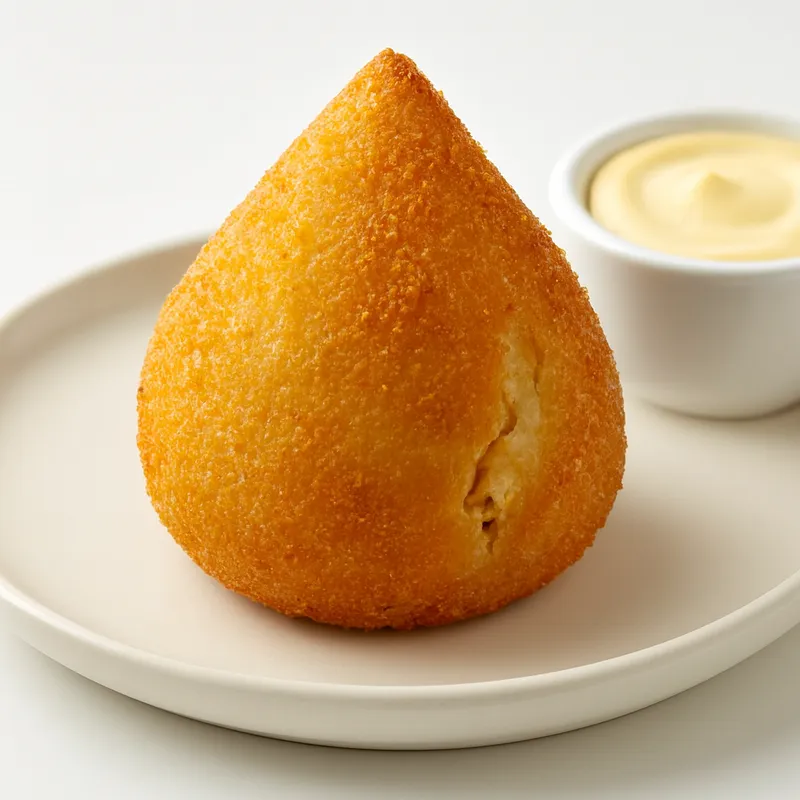
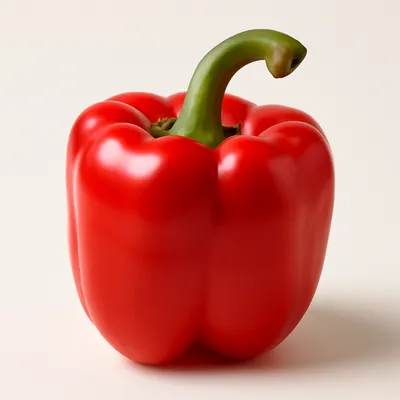
The Espírito Santo style of moqueca, and the one capixabas insist is the original. Fish or seafood is layered with onion, tomato, sweet peppers, garlic and cilantro and simmered in a black clay pot, the broth tinted amber-red by urucum (annatto seed) and enriched only with olive oil. There is no dendê palm oil and no coconut milk — the two ingredients that define its Bahian rival. The result is lighter and cleaner, built to let the freshwater fish or seafood speak.

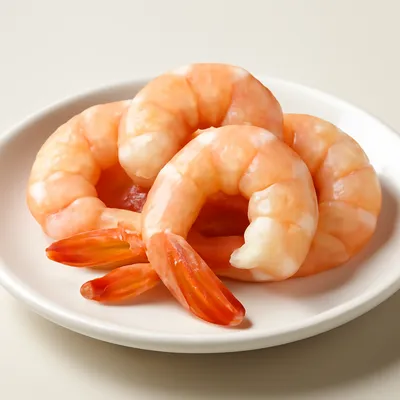



Moqueca descends from indigenous Tupi fish cookery on the Atlantic coast — fish wrapped and cooked slowly with native seasonings — and the name itself comes from the Tupi 'moquém', a wooden frame for smoke-roasting. In Espírito Santo the Portuguese settlers adopted the indigenous method with little change, adding onion, garlic and urucum but never the African dendê and coconut that reshaped the dish in Bahia. Capixabas hold their version to be the older, less-altered form, and the rivalry with Bahia over which moqueca is 'real' is argued statewide with the heat of an Italian pizza feud.
Served bubbling at the table in the handmade black panela de barro from the Goiabeiras potters of Vitória. The broth is amber to brick-red from urucum, glossy with olive oil, sharp and herbal from cilantro and green onion — never the orange grease of dendê. Flakes of firm white fish or plump shrimp sit in a thin, fragrant liquor you spoon over white rice, with pirão alongside to soak it up.
Urucum (annatto) does the coloring work that dendê does in Bahia — its carotenoid pigments bleed orange-red into the oil without adding the palm oil's heavy vegetal flavor, so the broth stays light. The black clay pot is the other non-negotiable: fired earthenware heats slowly and holds a gentle, even temperature, so a thin water-and-oil broth reduces and concentrates without scorching or splitting. Fish is layered raw and barely simmered; overcooking turns delicate flesh dry and rubbery.
Variations
Capixaba purists use freshwater fish such as robalo or badejo and finish only with urucum and olive oil; coastal kitchens swap in shrimp, crab or a mixed-seafood moqueca. A 'moqueca de banana-da-terra' replaces the fish with green plantain for a meatless version. The dish stands in direct contrast to Bahian moqueca, which adds dendê and coconut milk and is cooked in black iron rather than clay.
On the Palate
Where Moqueca Capixaba sits in the Brazilian flavor cloud
Layer the fish in raw and let it barely simmer without stirring, because the delicate flesh needs only a gentle 15-20 minutes; poking or hard-boiling it turns it dry and rubbery.
Ingredients
Serves 4

How it's made
6 steps · 35 min active + 35 min waiting
- 120 min
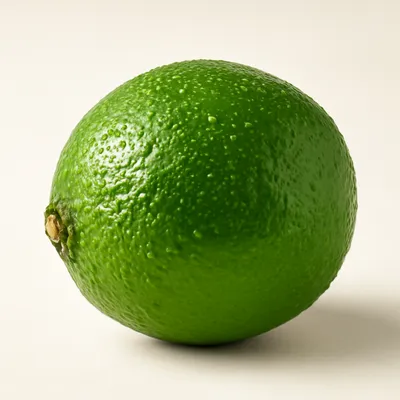
Season fish steaks or shrimp with lime juice, salt, garlic and chopped cilantro; rest 20 minutes.
- 24 min
Warm olive oil in a black clay pot and stir urucum (annatto) into it until the oil turns red, then discard the seeds if whole.
Watch outStir the annatto into warm, not hot, oil and pull it once the oil glows red-orange; let it go too far and the seeds turn the oil bitter.
- 32 min
Lay down a bed of sliced onion, tomato and sweet pepper in the pot.
- 43 min
Arrange the fish or shrimp over the vegetables and cover with another layer of onion, tomato and pepper.
- 518 min
Pour in a little water or fish stock, scatter with cilantro and green onion, cover and simmer gently 15-20 minutes without stirring.
Watch outKeep the simmer barely moving, just a lazy bubble at the edge; a rolling boil toughens the fish and clouds the broth.
- 63 min
Taste for salt, finish with a thread of olive oil and serve in the pot with white rice and pirão.
Watch outThe fish is ready when it turns opaque all the way through and yields to gentle pressure; taste the broth for salt before it comes off the heat.
Archive tool suggestions — not reviewed
These legacy suggestions have not been evidence-reviewed and are not presented as required tools.