

Capixaba Brazilian
Moqueca with no dendê — urucum, olive oil, a black clay pot.
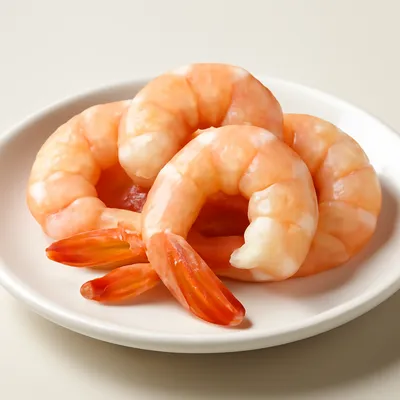
If Bahia's table is the most African in the Americas, the capixaba table of Espírito Santo is its quiet counter-argument — indigenous and Portuguese, lighter, and proudly its own. The line in the sand is the moqueca: where the baiana version glows orange with dendê palm oil and coconut milk, the moqueca capixaba uses neither, tinting its broth amber-red with urucum (annatto seed) and finishing with olive oil rather than African palm cream. It is cooked in a black clay pot, the panela de barro hand-built by the paneleiras of Goiabeiras in Vitória — a Tupi-Guarani technique, fired in the open air and sealed with red mangrove-bark tannin while still hot, and in 2002 the first thing IPHAN ever registered as Brazilian intangible cultural heritage. The same pot carries the torta capixaba, a monumental seafood pie of salt cod, crab, shrimp and shellfish bound with beaten egg, born of Catholic Holy Week abstinence and still eaten on Good Friday across the state. Around the moquecas stands pirão — cassava flour rained into the seasoned fish broth and stirred to a smooth paste — the most directly indigenous thing on the plate.
Start Here
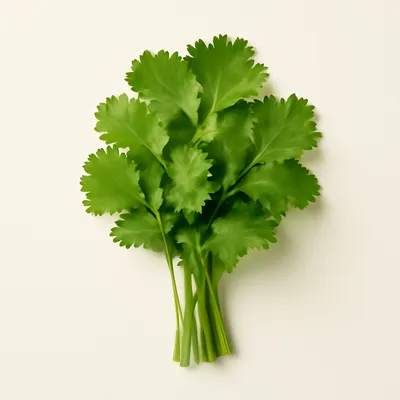
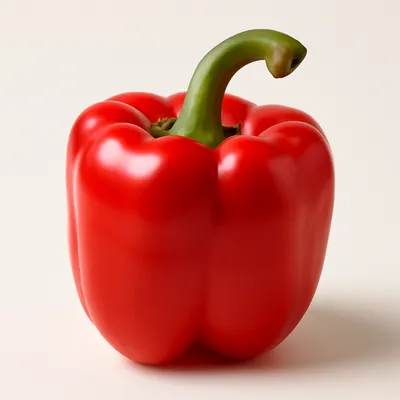
Fish or seafood layered with onion, tomato, sweet pepper, garlic and cilantro and simmered in a black clay pot, the broth tinted amber-red by urucum (annatto) and finished with olive oil — explicitly no dendê, no coconut milk. The capixaba signature.
Why start here · This is the dish the whole cuisine argues about. Taste it against the Bahian moqueca and you taste the entire identity of Espírito Santo — the urucum and olive oil are the regional grammar, and the clay pot is half the flavor.
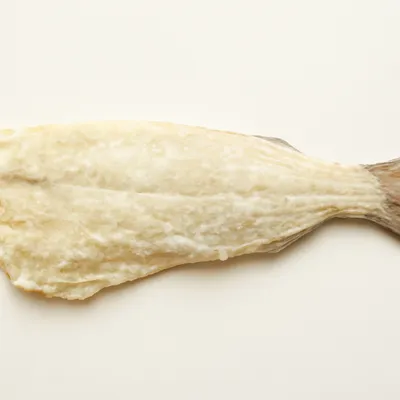
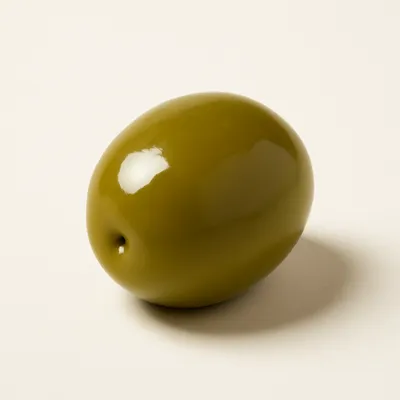
Espírito Santo's monumental Holy Week seafood pie: salt cod, shredded crab, shrimp, oysters and mussels bound with hearts of palm, olives and beaten egg, then baked in a clay pot until the egg sets into a golden, sliceable cake.
Why start here · Once a year the state empties the sea into one pot. It shows how the capixaba kitchen turns Catholic abstinence and Portuguese frugality into abundance — the same clay pot as the moqueca, now in the oven.
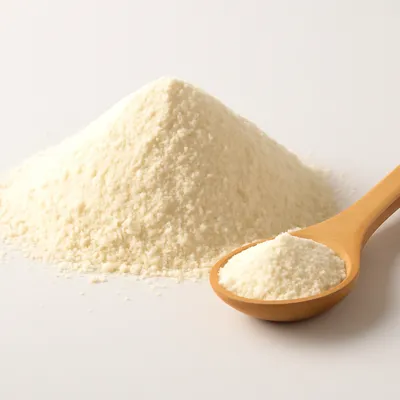
A thick savory porridge made by raining cassava flour into hot, well-seasoned fish broth and stirring until it sets into a smooth, gravy-like paste — the standing companion ladled beside moqueca and grilled fish.
Why start here · Pirão is the indigenous backbone under all this seafood. Made from the moqueca's own broth, it is how the coast has stretched a pot of fish into a full meal for centuries — plain, essential, and never absent.
The Pantry










How They Cook
Techniques that define this cuisine
Other regions
Siblings within Brazilian — each its own tradition.