


Centro-Oeste Brazilian
Pequi, river fish, and cattle: the cerrado-and-Pantanal frontier.
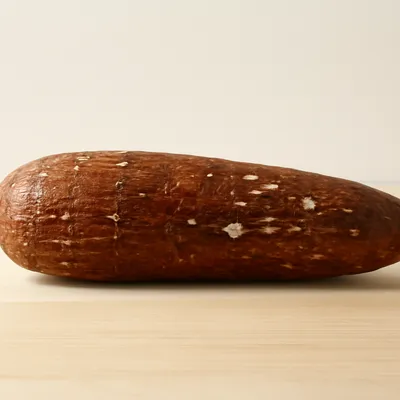
The Centro-Oeste is Brazil's frontier interior — high cerrado savanna in Goiás giving way to the seasonally flooded Pantanal wetlands of Mato Grosso and Mato Grosso do Sul, a land of cattle ranches, rivers, and roadside fairs. Its defining flavor is pequi, the strongly aromatic golden fruit of the high plains, cooked into rice (arroz com pequi) and layered with the bitter palm heart guariroba into the empadão goiano, the deep double-crusted pie that is Goiás's emblem; pequi is eaten with one rule, never bitten, because the soft flesh hides a pit ringed with fine sharp spines. From the Pantanal's fish-thick rivers come the freshwater catch — pintado, pacu, piranha — stewed into the cassava-thickened mojica de pintado, roasted whole for festivals, or reduced to a concentrated caldo de piranha. Along the Mato Grosso do Sul border, the kitchen turns Paraguayan and Guarani, with cheese-and-cassava chipa baked into rings and the cold yerba-mate drink tereré passed from hand to hand against the heat. Campo Grande adds its own layer from one of Brazil's largest Okinawan communities — sobá, a wheat noodle in pork-and-egg broth eaten at the night-market's long tables, registered as the city's heritage. It is a cuisine of frontier, cattle, and river, built on what the cerrado yields and what the rivers run.
Start Here
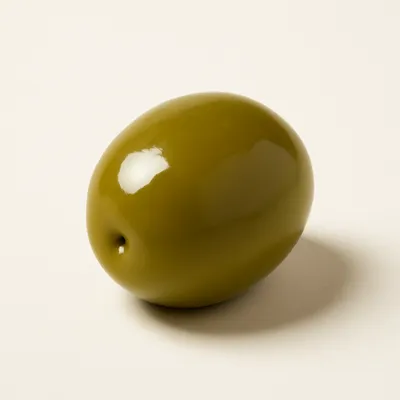
Goiás's number-one signature: a deep, double-crusted savory pie of shredded chicken, pork, and sausage with egg, olives, and cheese, made unmistakably Goiano by two cerrado ingredients — bitter guariroba palm heart and aromatic pequi — tinted gold with turmeric.
Why start here · It is the dish that puts the whole cerrado on one plate. The guariroba's clean bitterness and the pequi's resinous perfume are flavors you meet nowhere else, and one wedge is a full meal that holds together on the fork.
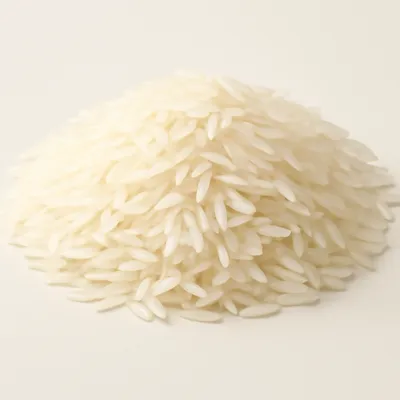
The everyday dish of the high plains: white rice cooked with pequi until the grains take on its strong perfume and a faint amber stain, often with onion, garlic, and chicken. One firm rule governs the eating — never bite into the fruit, whose soft flesh hides a spine-covered pit.
Why start here · This is pequi at its plainest and most telling — the single ingredient that defines the region, in the dish that taught locals to handle it. Learn to gnaw the flesh off the stone with your front teeth and you understand cerrado cooking.
Campo Grande's signature noodle soup: wheat noodles in a deeply savory pork-and-egg broth, topped with sliced pork, fried-omelette strips, and scallion. Named after Japanese soba but reinvented by Okinawan immigrants in the Brazilian interior, and registered as the city's cultural heritage.
Why start here · It is the Centro-Oeste's immigrant story in a bowl — proof that the frontier is not only cattle and cerrado. Eaten at the long shared tables of Campo Grande's covered night market, it shows how Okinawa landed deep in the Brazilian interior.
The Pantry
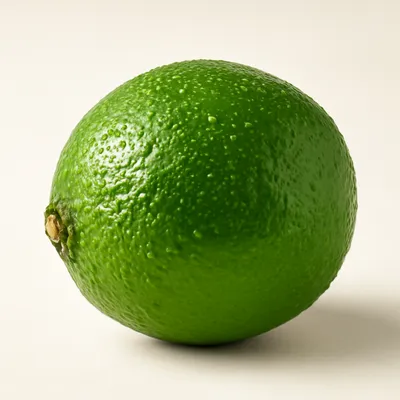



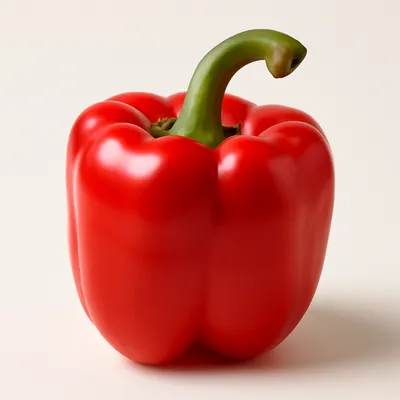


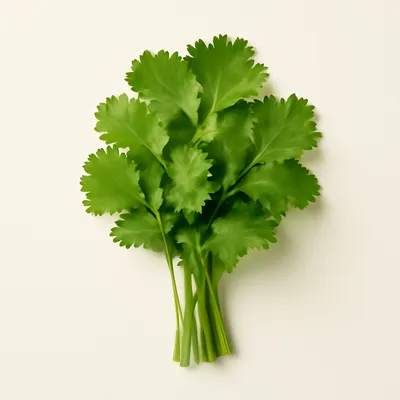
See all 48 ingredients›





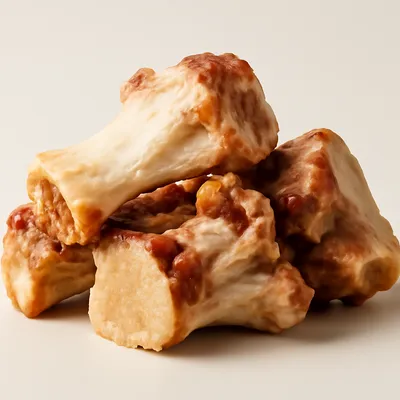













Sauces & Condiments




Other

How They Cook
Techniques that define this cuisine
Kindred Kitchens
Cuisines built on the same signature ingredients
Other regions
Siblings within Brazilian — each its own tradition.


