Olive
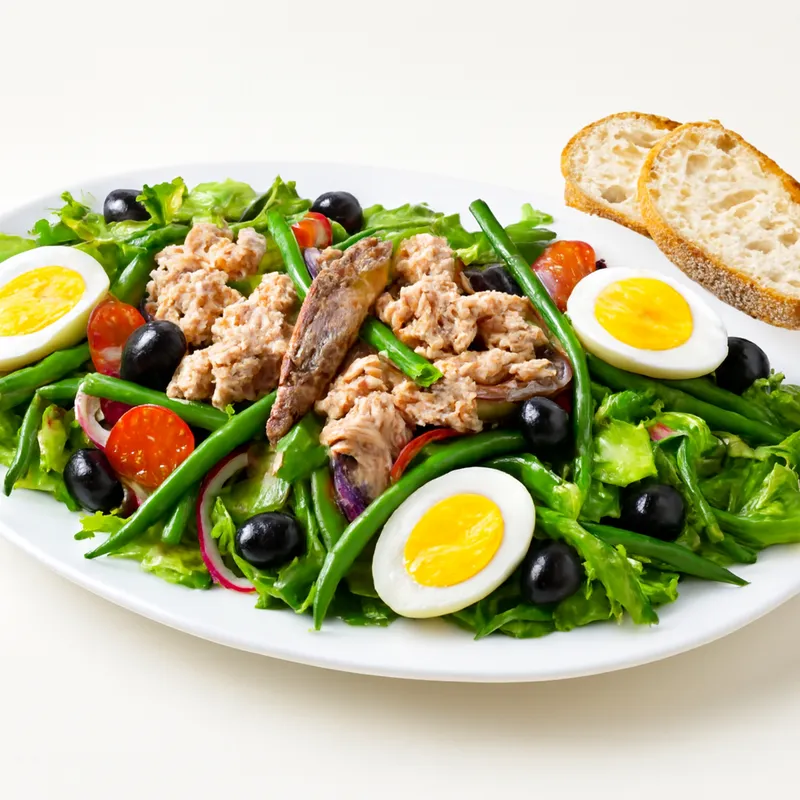
Rich, fruity, and smooth, olives bring a briny depth and a pleasing texture to dishes. Their complex flavors range from buttery to peppery, making them a staple in Mediterranean cuisine.
Where it comes from
Olives have been cultivated for thousands of years, particularly in the Mediterranean region, where they serve as a symbol of peace and prosperity.
In the kitchen
Olives are often used whole, sliced, or puréed to add umami and texture in salads, tapenades, and as garnishes for a variety of dishes.
Across cuisines
In Argentinian cuisine, olives are often used as a stuffing ingredient in dishes like empanadas. Green olives, particularly the Arauco variety, are commonly chopped and mixed with meats or vegetables to add a salty and tangy note. This use enhances the overall flavor of the filling.
Brazilian cuisine uses olives primarily as a garnish or accent in dishes like cuscuz paulista. Black olives are often sliced and used to finish the dish, providing a contrasting color and a burst of briny flavor. This application is more about visual and flavor contrast than integral cooking.
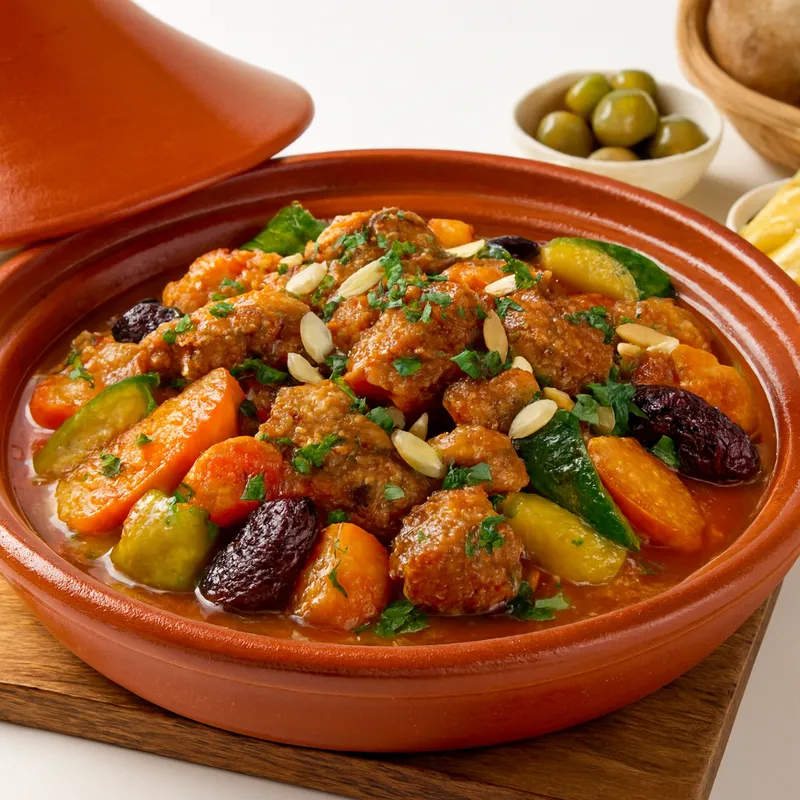
In Caribbean cuisine, olives are used to enhance the flavor of stews and braised dishes such as ropa vieja. They are typically added whole or halved, infusing the dish with their briny and slightly bitter notes, which complement the rich, slow-cooked meats.
Nutrition (per 100g)
AI-estimated; model and run unavailable.
Pairs well with