

The form arrived in Argentina with Spanish colonists in the 16th century, who had inherited it from Moorish empanadillas brought to Iberia in the medieval period. Each Argentine province now codes its filling: Salta uses potato and beef, Mendoza adds olive, Tucumán uses matambre. The version most foreigners eat is the Salteña style. Empanada is identity geography in dough.
Spanish colonists brought the form in the 16th century, inheriting it from Moorish empanadillas. The repulgue (crimped seal) is regional fingerprint — a Salta cook reads a Tucumán crimp the way a sommelier reads a label.
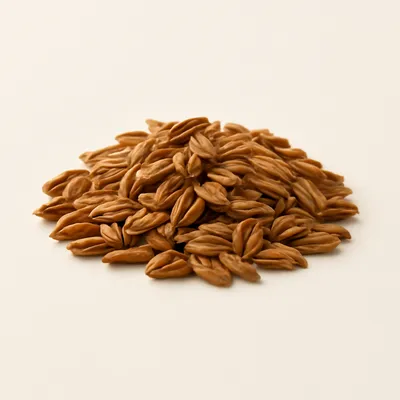
A half-moon pastry, crimped along the curve, baked or fried until the dough sets gold. Argentine versions are typically beef — diced (not ground), mixed with onion sweated soft, hard-boiled egg, green olive, cumin, sometimes raisin. The dough is firm and slightly flaky. Eat hot from the hand; bite the crimped edge first to vent steam, or burn the roof of your mouth.
The repulgue (the crimped seal) is not decoration — it's a structural lock that keeps juice inside during baking. Each Argentine region has its own crimp pattern, and a cook will identify another's province by reading the seal. Dough must be rolled thin enough to crisp through but thick enough to hold meat juice without splitting; lard in the dough is what gives the bite that short, layered snap.
Variations
Salta uses diced beef, potato, cumin; Mendoza adds olive and a touch of sweet; Tucumán uses matambre (the cut); Jujuy pushes spicier with locoto pepper; the fried vs baked split runs province to province.
On the Palate
Where Empanadas sits in the Argentinian flavor cloud
The repulgue — the crimped seal — is a structural lock, not decoration: crimp it tight and dry so the seam holds the meat juice inside instead of splitting and leaking in the oven.
Ingredients




How it's made
6 steps · 58 min
- 15 min
Preheat the oven to 375°F (190°C) to ensure even baking of the empanadas.
- 210 min
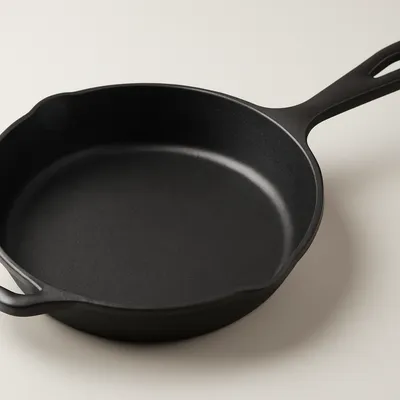
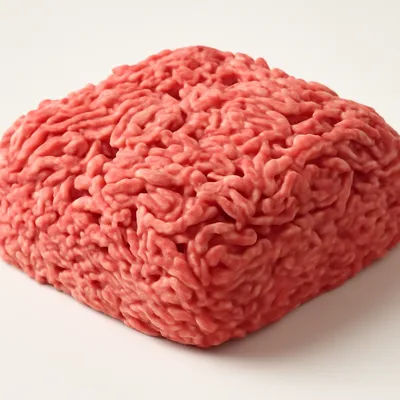
In a skillet over medium heat, cook the ground beef with chopped onions until the beef is browned and the onions are soft. The mixture should be fragrant and well-cooked.
Watch outCook the beef and onion until the beef is browned and the onion soft and sweet — the filling should smell fragrant, not raw.
- 33 min
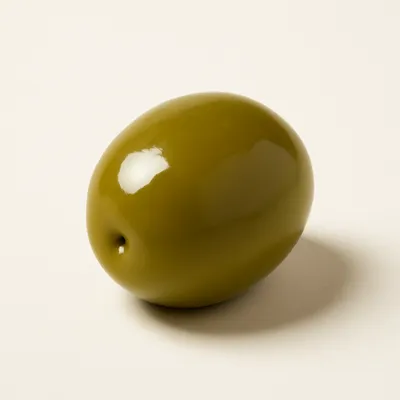
Add chopped olives and hard-boiled eggs to the beef mixture, stirring until evenly distributed. The filling should be well-mixed and flavorful.
- 410 min
Roll out the dough on a lightly floured surface and cut into circles about 4 inches in diameter. The dough should be thin but not tearing.
- 510 min
Place a spoonful of the filling in the center of each dough circle. Fold the dough over to form a half-moon shape, pinching the edges to seal.
Watch outFill with just one spoonful and pinch the half-moon shut along a clean, dry edge so the seam locks tight.
- 620 min
Arrange the empanadas on a baking sheet and bake in the preheated oven until golden brown, about 20 minutes. The pastry should be crisp and golden.
Watch outPull them when the pastry is evenly golden and crisp — about 20 minutes at this heat.
Archive tool suggestions — not reviewed
These legacy suggestions have not been evidence-reviewed and are not presented as required tools.