


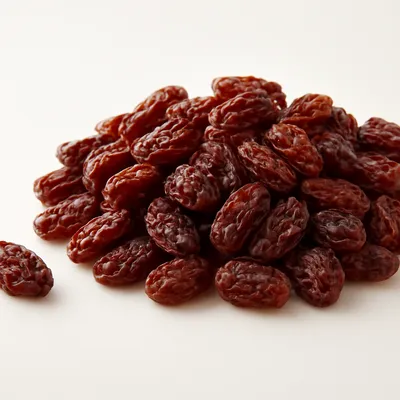
Tamales salteños are the most-iconic dish of Argentina's Quechua-heritage northwest — Salta, Jujuy, Tucumán, and Catamarca provinces. The dish was made by indigenous Quechua and Aymara peoples for millennia (corn-and-meat steamed in plant-leaves predates Inca civilization), then adapted by Spanish colonial cooks who introduced wheat-based extension and clay-oven baking. The Salta version uses yellow cornmeal (cooked into a polenta-like masa with broth), wraps it in corn husks (chala), and boils the tied bundles in salted water. The filling is beef shredded with red onion, hard-boiled egg, raisins, olives, and a touch of cumin — distinctly Spanish-Andean.
Untie a tamal salteño on your plate: the corn husk peels back to reveal a yellow masa cube speckled with brown raisins and dark green olives, with a heart of shredded beef visible at the center. The masa is firm-soft, intensely corn-flavored; the meat filling is salty-sweet-savory; the olive brininess punctuates each bite. Spoon some chimichurri over the top; the parsley-vinegar-garlic cuts through the richness. Northern-Argentine ceremonial cooking — made for holidays and Sunday family lunches, eaten with respect for the indigenous roots.
Boiling the tied husk bundles works because each corn husk forms an individual chamber that fends off the boiling water while trapping internal heat, so masa and filling cook and meld inside the leaf wrapper. The lard (grasa de pella) worked into the cornmeal masa gives the firm-but-pliable texture; too little and it dries and crumbles, too much and it turns greasy. Prolonged boiling fully gelatinizes the corn starch and cooks out the raw-flour taste.
Variations
Salta original uses beef shoulder and yellow cornmeal; Jujuy version sometimes uses llama meat (a high-Andean tradition); Tucumán version (slightly more north-Pampas-influenced) reduces the olive content; Argentine independence-day version (May 25 patriotic celebration) is the seasonal peak when every Northwest household makes them.
On the Palate
Where Tamales Salteños sits in the Argentinian flavor cloud
Ingredients
Serves 12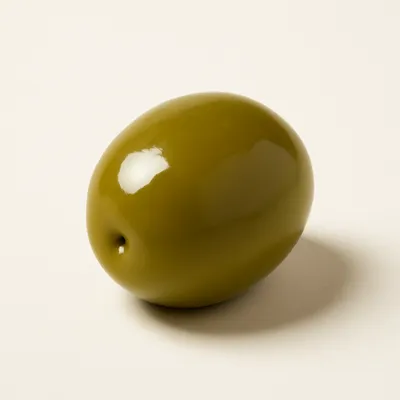



How it's made
5 steps · 2 hours active + 2 hours waiting
- 1125 min
Make the meat filling (do 1 day ahead): in a heavy pot, simmer 1kg beef chuck or brisket in 2L water + 1 chopped onion + 4 minced garlic cloves + 1 tbsp salt + 1 tbsp ground cumin + 4 bay leaves for 2 hours until fork-tender. Reserve broth; shred meat finely.
- 220 min
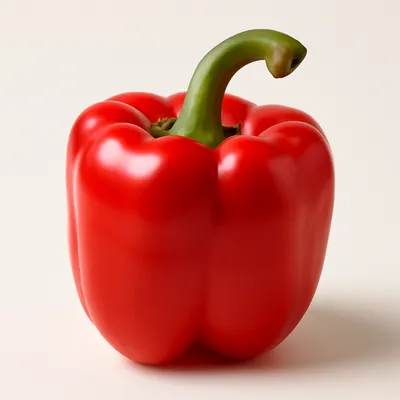
Sauté 2 sliced red onions + 4 sliced bell peppers + 4 minced garlic cloves in 4 tbsp oil 8 min. Add shredded meat + 2 tsp ground cumin + 1 tsp ground paprika + 1 tsp salt + 2 tbsp tomato paste + 200ml reserved broth + 100g raisins + 100g green olives + 4 chopped hard-boiled eggs. Cook 10 min until well combined. Cool overnight.
- 315 min
Make the masa: in a heavy pot, whisk 800g yellow cornmeal with 2L of the reserved cooking broth (warm) + 200g lard (or butter) + 2 tsp salt. Cook over medium heat 12-15 min, stirring constantly, until very thick (like polenta).
Watch outThe masa is ready when a spoon leaves a clear trail and it mounds like thick polenta.
- 435 min
Soak 40 dried corn husks in warm water 30 min until pliable. Drain. Lay one husk flat. Spread 4 tbsp masa in a 12×8cm rectangle. Spoon 4 tbsp filling lengthwise down the center. Fold the long sides over to enclose. Then fold the short ends in (one over the other). Tie with thin strips of corn husk in a cross pattern, knotted in the middle.
Watch outFold and tie so no masa peeks out; a sealed husk keeps the boiling water off the filling.
- 5135 min
Stack tamales upright in a deep steamer or large heavy pot, packed tightly. Add water just below the level of the tamales. Bring to boil, then steam covered 2 hours, adding water if needed. Rest 15 min before opening. Serve with chimichurri or salsa picante on the side.
Watch outAfter the long steam, let them rest 15 minutes so the masa firms before you open them.
Archive tool suggestions — not reviewed
These legacy suggestions have not been evidence-reviewed and are not presented as required tools.