Tamales serranos are the highland Peruvian tamal: a coarse masa of mote — cooked, dried Andean maize ground down — enriched with lard, wrapped around a filling of pork or chicken, bundled in a corn husk and steamed. They are firmer, plainer and whiter than the coastal criollo tamal, which is smoother, tinted red with ají and wrapped in banana leaf. The dish belongs to highland markets and weekend breakfasts, eaten warm with a little salsa criolla.



The word tamal comes from Nahuatl tamalli, the language of the Mexica, and spread through the Spanish colonial world; but the Andes had its own indigenous corn parcel long before — the pre-Inca humita. As anthropologist Humberto Rodríguez Pastor notes, the humita is the Andean ancestor onto which the borrowed name was grafted. Peru's tamal split into regional families: the highland serrano (corn-husk-wrapped, white mote masa, beef or pork) and the coastal criollo (banana-leaf-wrapped, ají-tinted, with pork, olive and egg). The serrano line stays closer to the older highland maize tradition.
Unwrapped from its husk, a tamal serrano is dense and pale, with the coarse, toothsome grain of ground mote — heartier and less sweet than a fresh-corn humita. At its center sits a piece of pork or chicken, sometimes a sliver of egg. The masa is rich with lard, mildly seasoned, white rather than red; it is filling, warm and plain in the best highland way, brightened by a forkful of sharp onion salsa on the side.
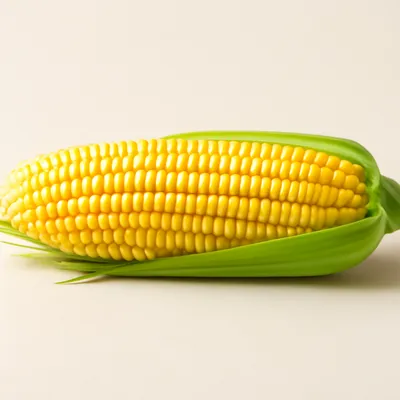
The character of a serrano tamal comes from its corn. Mote is maize that has already been cooked — its kernels swollen and split — then dried and reground into a coarse masa, so the starch is gelatinized once before steaming. This gives a denser, more cohesive, less sweet crumb than the fresh choclo of a humita. Lard worked into the cold masa coats the starch and tenderizes the body. Wrapped tightly in a corn husk and steamed upright, the parcel rehydrates and the starch re-sets around the filling into a firm, sliceable cake.
Variations
The defining contrast is serrano versus coastal: highland tamales use white mote masa, a corn-husk wrap, and beef or pork, while coastal criollo tamales are ají-tinted, banana-leaf-wrapped, and built around pork with olive and egg. Within Peru there are named cousins — the coastal tamal chinchano, and the north-coast tamalito verde colored green with cilantro. Fillings shift by region and household, pork and chicken being the most common in the sierra.
On the Palate
Where Tamales Serranos sits in the Peruvian flavor cloud
Ingredients
Serves 8


How it's made
9 steps · 1 hour active + 1 hour 30 min waiting
- 125 min
Cook dried maize until the kernels swell, then drain, dry and grind to a coarse masa.
- 212 min
Beat the masa with warm lard and salt until smooth and pliable, adding broth as needed.
Watch outBeat the coarse mote masa with warm lard until smooth and pliable — the lard coats the pre-gelatinized starch and tenderizes the body; too little and the tamal bakes dense and dry.
- 310 min
Season pieces of pork or chicken with garlic, cumin and ají, and lightly brown them.
- 415 min
Soak corn husks until soft; lay one out and spread a layer of masa across the center.
- 58 min
Set a piece of meat (and a sliver of egg, if using) on the masa, then fold more masa over to enclose it.
- 68 min
Wrap the husk snugly around the parcel and tie the ends with strips of husk.
- 76 min
Stand the tamales upright in a steamer over simmering water, packed closely together.
- 890 min
Cover and steam until the masa is firm and pulls cleanly from the husk, about an hour and a half.
Watch outSteam upright until the masa is firm and pulls cleanly from the husk, about 1.5 hours — that clean release is the sign the starch has re-set into a sliceable cake; open one early and it's still pasty.
- 95 min
Rest briefly, then serve warm in the husk with salsa criolla.
Archive tool suggestions — not reviewed
These legacy suggestions have not been evidence-reviewed and are not presented as required tools.


