Ninajuane is a rice-less cousin of the famous Amazonian juane: seasoned chicken bound in a generous pour of beaten egg, wrapped tight in bijao leaves and boiled until the egg sets into a soft, savory custard around the meat. It belongs to Loreto and the wider Peruvian selva, where it is eaten above all on June 24 for the festival of San Juan. Where juane de gallina is built on turmeric rice, ninajuane keeps only the chicken and the egg, so each parcel reads as meat suspended in a pale omelette. It travels well and is carried into the jungle for picnics, untied and eaten warm from the leaf.
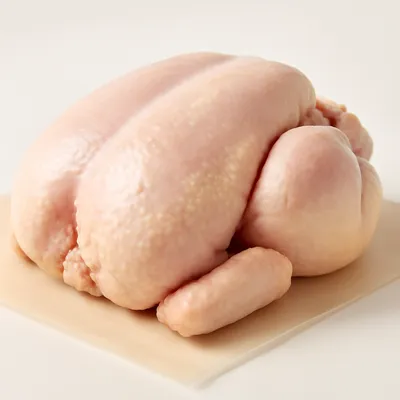



Ninajuane is one of the canonical variants in the juane family of the Peruvian Amazon, documented across Loreto and San Martín as the egg-and-chicken version made without rice. The juane tradition itself is pre-Columbian leaf-wrapping later tied by Catholic missionaries to Saint John the Baptist, whose feast on June 24 is the rainforest's main celebration; ninajuane is prepared and sold heavily in that season. Its name pairs the regional word juane with a term often read as relating to fire or heat; sources differ on the exact derivation, so the precise etymology is best left open.
Untied at the table, the bijao bundle opens to a pale, just-set egg cake studded with pieces of bone-in chicken. The texture is soft and trembling rather than firm — closer to a steamed savory custard than to a fried omelette — and the leaf leaves the same grassy, tea-like perfume it gives true juane. Eaten warm with the fingers, often with a wedge of boiled cassava or plantain on the side, no sauce required.
The dish hinges on the ratio of egg to meat: enough beaten egg must coat and bind the chicken so the parcel holds together when boiled, the same binding step (the ligue) used to keep rice juanes from falling apart. Because the bundle cooks by boiling inside a sealed leaf, the egg sets gently in moist heat and stays custard-soft instead of browning. The bijao leaf (Calathea lutea) shields the contents and lends a chlorophyll-tinged aroma; banana leaf is the usual substitute outside the selva but gives a greener, sharper note. The chicken is typically pre-seasoned or lightly pre-cooked so it is fully done by the time the egg has set.
Variations
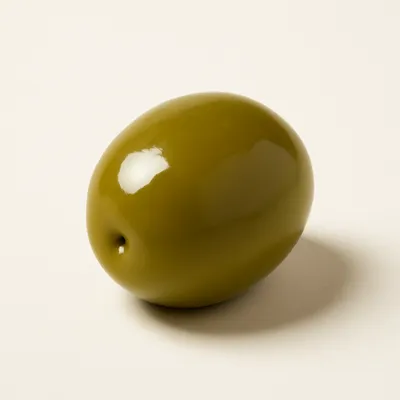
The chicken can be replaced or supplemented with shredded smoked pork or game; some cooks add a black olive or a wedge of hard-boiled egg in the center, echoing the rice juane. Avispa juane, a related parcel, folds in ground pork and more chili. Outside Loreto, banana leaf stands in for bijao, and a little cassava or rice is sometimes worked in to stretch the egg, though the rice-less form is the defining one.
On the Palate
Where Ninajuane sits in the Peruvian flavor cloud
Ingredients
Serves 4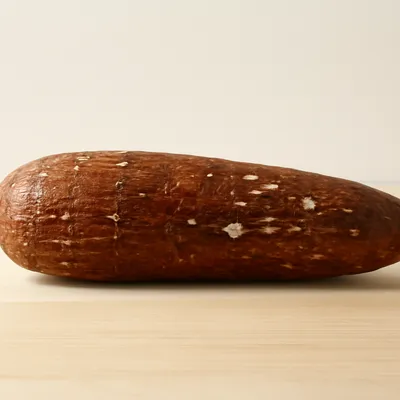
How it's made
8 steps · 35 min active + 40 min waiting
- 112 min
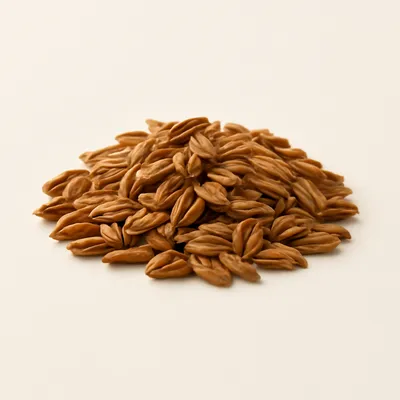
Season bite-sized bone-in chicken with salt, cumin, garlic and a little aji panca paste, and lightly pre-cook or sear it.
- 28 min
Soften bijao (or banana) leaves over a flame or in hot water until pliable, then wipe clean.
- 33 min
Beat plenty of eggs with salt and a pinch of turmeric until well blended.
- 43 min
Toss the chicken through the beaten egg so each piece is coated and the mix just holds.
Watch outToss the chicken through the beaten egg until each piece is coated and the mix just holds together — too little egg and the parcel falls apart when boiled.
- 54 min
Spoon a portion onto the center of a leaf, optionally adding an olive or piece of boiled egg.
- 64 min
Fold the leaf into a tight bundle and tie firmly with twine.
- 755 min
Lower the parcels into salted boiling water and boil 40-60 minutes until the egg is fully set.
Watch outBoil the tied parcels until the egg is fully set right through — sealed in the leaf it sets gently and stays custard-soft, so give it the full time.
- 85 min
Lift out, drain and rest briefly, then serve warm in the leaf with boiled cassava or plantain.
Archive tool suggestions — not reviewed
These legacy suggestions have not been evidence-reviewed and are not presented as required tools.


