Khichu is a soft, hot Gujarati dough of rice flour cooked with water, salt, cumin and green chili, given its springy chew and papad-like aroma by papad khar, an alkaline salt. It is, quite literally, the raw dough from which papad is made — eaten while still warm rather than rolled out and dried, hence its other name, papdi no lot, the dough for papad. It is dressed with raw oil poured over and a dusting of red chili powder, a beloved monsoon and tea-time snack. Naturally vegan and gluten-free.



A core item of Gujarati cuisine and farsan, with no dated origin or named maker — an anonymous home and seasonal dish, traditionally a monsoon snack. Its real story is its identity: it is papad dough eaten soft, before it is dried into the crisp wafer known as khichiya papad. One account derives the name from an Indic root meaning to pull, after the dough's stretchy nature, but that gloss is thinly sourced and best treated as folk etymology rather than fact. The alkaline papad khar that defines it descends from an old tradition of leaching mineral salts from the ashes of saline plants.
Soft, hot and a little sticky, with a springy, slightly elastic pull and the unmistakable aroma of papad even before it is dried. It glistens with the raw oil poured over and is flecked with red chili powder, green chili and whole cumin. Eaten with a spoon or pinched off by hand while steaming, it is mild, savoury and faintly alkaline-nutty, the oil and chili doing much of the talking. The texture should be smooth and ductile, never gritty or stiff.
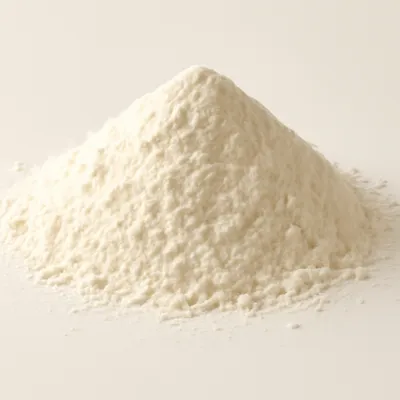
Papad khar is the heart of it: an alkaline salt that is chiefly sodium carbonate with some bicarbonate, far stronger than baking soda, pushing the dough to a pH around 10 to 12. That high alkalinity raises the temperature at which the rice starch gelatinizes and changes how the granules swell and paste, so the dough turns pliable and stretchy rather than springy, the same chemistry that lets papad later roll paper-thin and crisp. The alkaline environment also drives gentle browning-type reactions and binds moisture, which is where the papad aroma comes from. In practice the rice flour is stirred into salted, spiced boiling water and cooked down to a thick paste, then shaped into mounds and steamed or rested to set.
Variations
It is most often made with rice flour, but wheat, pearl millet, sorghum and finger-millet versions all exist, the rice and millet ones being most common. The dressing varies — raw peanut oil is classic, but garlic butter is a modern favourite, along with chili powder, pickle masala or various chutneys. The same dough has a second life: rolled out and sun-dried, it becomes khichiya papad, the crisp wafer it was always destined to be.
On the Palate
Where Khichu sits in the Indian flavor cloud
Ingredients
Serves 4
How it's made
8 steps · 25 min active + 5 min waiting
- 15 min
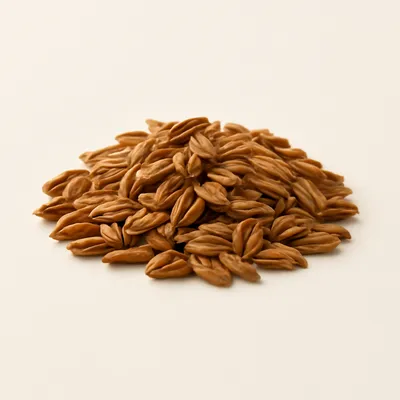
Bring water to a boil with salt, cumin seeds, green-chili paste and a measured pinch of papad khar.
Watch outMeasure the papad khar carefully — this alkaline salt is far stronger than baking soda; too much and the dough turns soapy and harsh.
- 24 min
Lower the heat and rain in the rice flour, stirring hard to keep it lump-free.
- 38 min
Cook the paste, stirring, until it pulls away from the sides into a soft, glossy dough.
Watch outStir hard and cook until the paste pulls clean off the sides into a soft, glossy dough — lumps left in mean uneven, gritty patches.
- 44 min
Cover and rest off the heat for a few minutes so it sets and firms slightly.
- 53 min
Wet your hands and shape the dough into rough mounds, or steam portions briefly to set further.
- 61 min
Make a well in each mound and pour in raw oil.
- 71 min
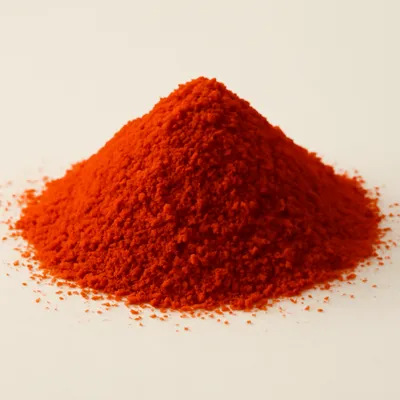
Dust generously with red chili powder and a little extra cumin.
- 81 min
Serve hot, eaten straight away while soft and warm.
Archive tool suggestions — not reviewed
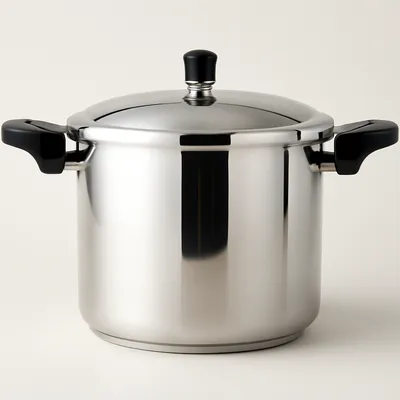
These legacy suggestions have not been evidence-reviewed and are not presented as required tools.