
Chana chaat is a light, no-fry chaat of boiled chickpeas tossed with chopped onion, tomato, green chili, chaat masala and a generous squeeze of lemon. Soaked white chickpeas (kabuli chana) are simmered until tender, cooled, then mixed raw with crisp diced vegetables, herbs and a sour-spicy seasoning rather than any cooked sauce. It is bright, tangy and refreshing — a salad-like member of the chaat family eaten cold as a snack or a light starter, common at North Indian street stalls and tea-time tables and across the wider subcontinent.

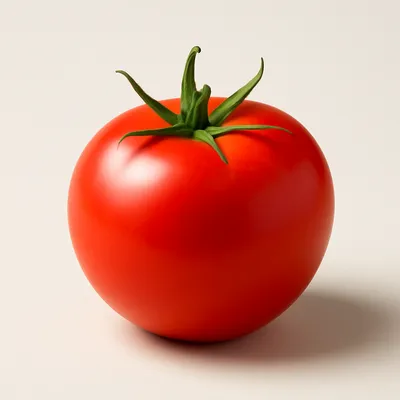


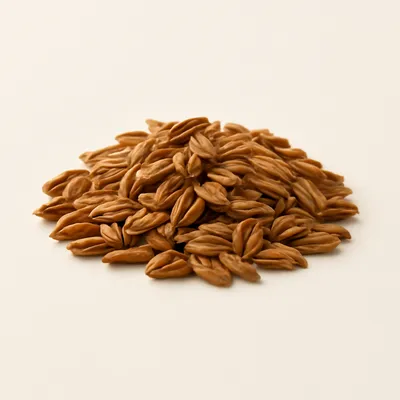
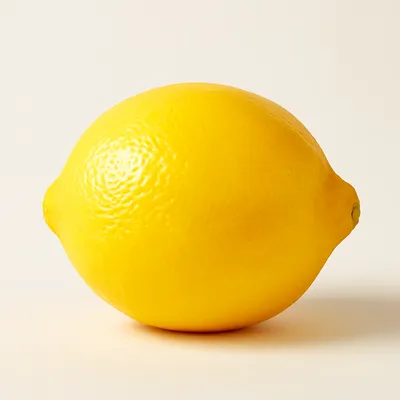
Chana chaat sits in the broad, pan-subcontinental chaat family — the sour-sweet-spicy snacks whose name comes from the Hindi-Urdu chaatna, 'to lick' — and is among its simplest, assembled rather than fried or simmered. Boiled chickpeas dressed with onion, lemon and chaat masala are a street-stall and home staple across North India and well beyond it, including Pakistan and Bangladesh, where very similar chickpea chaats are everyday food; this version follows the North Indian style. The chickpea itself is an ancient subcontinental pulse, and dressing cooked legumes with souring agents and toasted spice is old practice; the modern chaat seasoning, built on black salt and dried mango, gives the plate its characteristic tang. It is valued as a quick, protein-rich snack needing no cooking beyond the boil.
Each chickpea is tender but still holds its round shape, giving a soft, nutty bite against the crunch of raw onion and the juicy burst of tomato. The seasoning is sharp and cooling: lemon's clean sourness, the salty, sulfurous tang of chaat masala and its black salt, a prick of green chili, and the freshness of coriander running through. There is no heavy sauce and no fat — it is light and lively, the kind of chaat you eat by the spoonful on a hot afternoon, each mouthful sour, salty and crisp.
This is a cold assembly, so the only real cooking is getting the chickpeas right. Soaking overnight rehydrates the dried pulse so it cooks evenly; simmering (or pressure-cooking) softens the starch to a tender, creamy interior while keeping the skin intact, and cooling firms the texture so the beans hold up to tossing. Everything else is balance: the vegetables are diced small and added raw for crunch and moisture, the lemon and chaat masala supply acidity and that black-salt (kala namak) sulfurous tang, and the dish is seasoned and mixed just before eating so the onion stays crisp and the chickpeas do not turn watery. A short rest lets the flavors meld without softening the vegetables.
Variations
Some cooks use black chickpeas (kala chana) for an earthier, firmer bite, or add boiled potato, pomegranate, cucumber or sprouted moong to bulk the plate; a spoon of tamarind or green chutney turns it sweeter and saucier. A 'masala chana' style tosses the boiled chickpeas in a dry-roasted spice blend, while across the border very similar chickpea chaats lean on extra tamarind and sometimes crisp papdi. Served with whisked yogurt it shades toward a dahi-chana plate; warmed and spiced more heavily it approaches chana masala.
On the Palate
Where Punjabi Chana Chaat sits in the Indian flavor cloud
Ingredients
Serves 4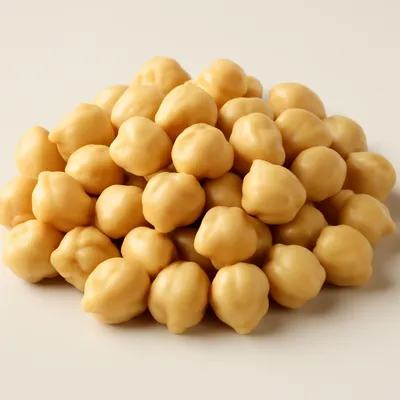
How it's made
7 steps · 20 min active + 8 hours waiting
- 1300 min
Soak the dried chickpeas in plenty of water overnight, then drain and rinse.
- 240 min
Simmer or pressure-cook the chickpeas with a little salt until tender but still holding shape; drain and cool.
Watch outSimmer the chickpeas until tender but still holding shape, then cool — soft creamy inside, skins intact, so they stand up to tossing instead of mashing to paste.
- 38 min
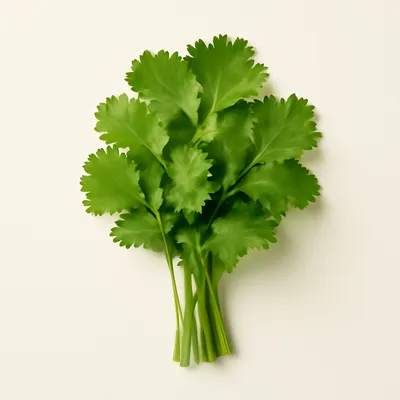
Finely dice the onion, tomato and green chili and chop the coriander.
- 43 min
In a bowl, combine the cooled chickpeas with the diced vegetables.
- 52 min
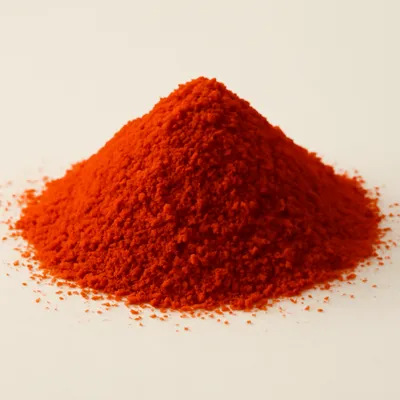
Add chaat masala, roasted cumin, red chili and a generous squeeze of lemon juice.
- 62 min
Toss everything together gently to coat without crushing the chickpeas.
Watch outToss gently and season just before eating — mix it early and the onion wilts and the chickpeas go soggy; you want everything crisp and bright.
- 75 min
Let it rest a few minutes, then check the seasoning and serve cold.
Archive tool suggestions — not reviewed
These legacy suggestions have not been evidence-reviewed and are not presented as required tools.


