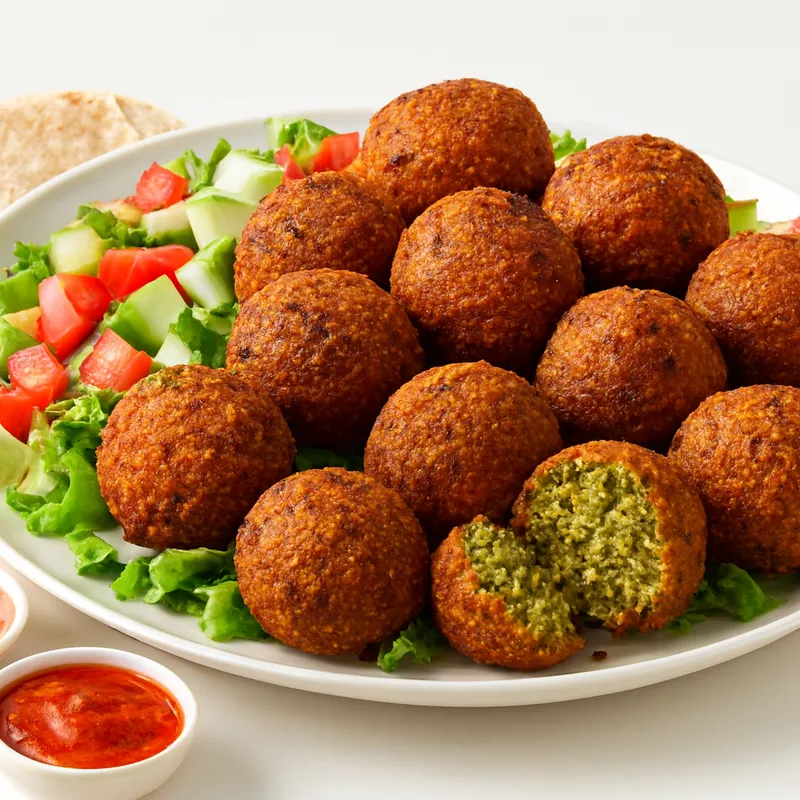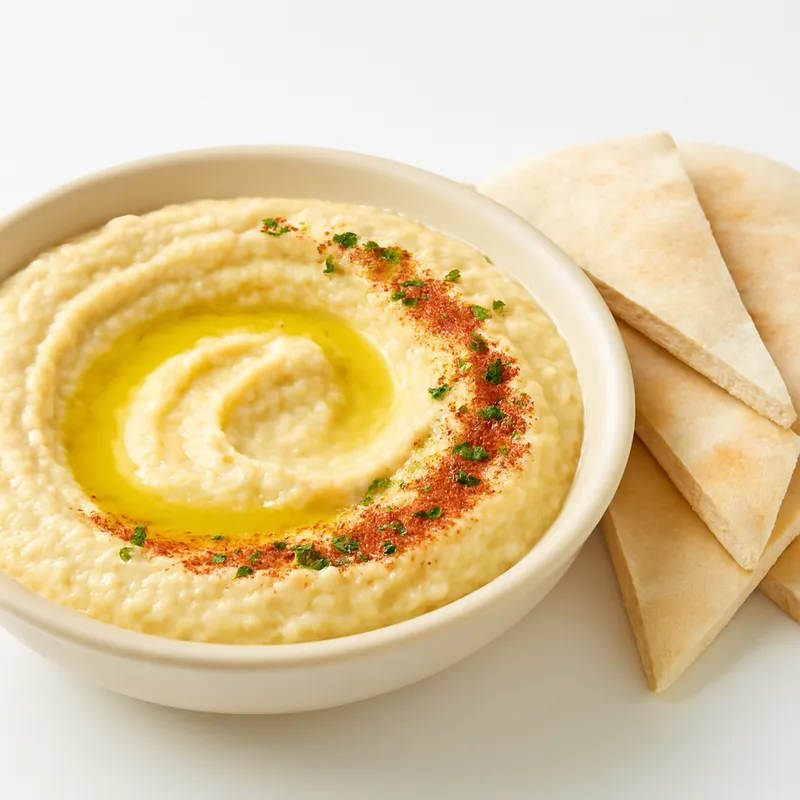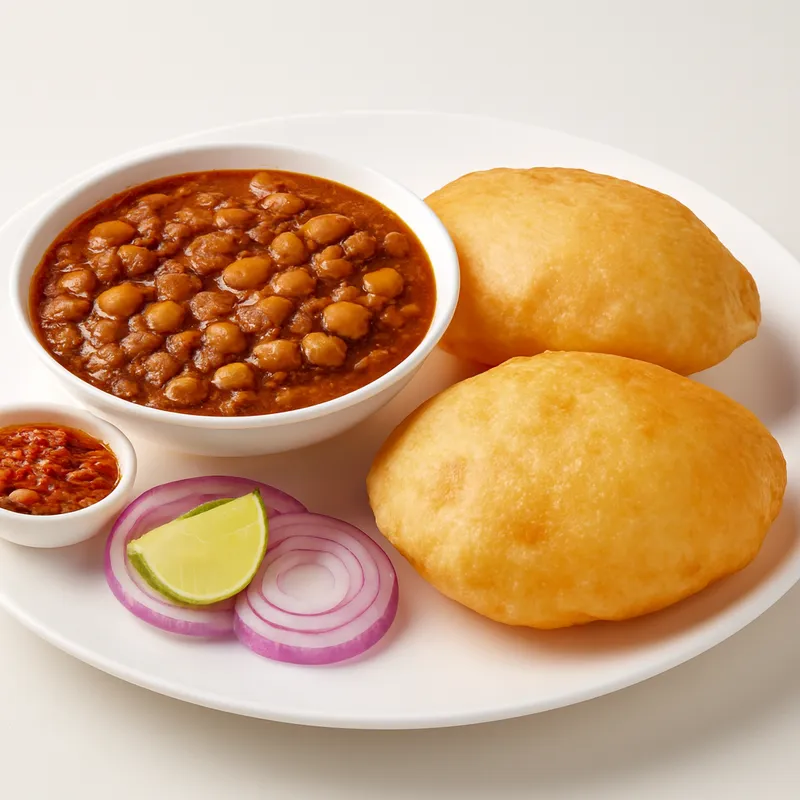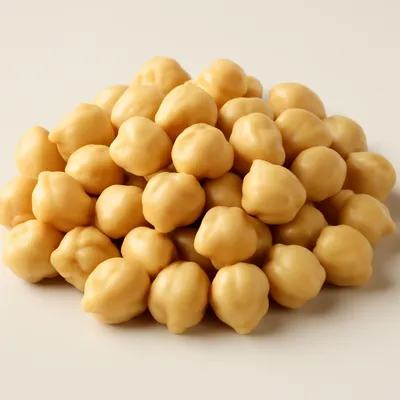
Nutty legume with earthy sweetness; star of Indian dal, Middle Eastern hummus, and Moroccan tagines.
Where it comes from
Dating back to ancient Persia, chickpeas have been cultivated for thousands of years, serving as a vital source of protein and fiber in various cultures.
In the kitchen
Mashed into hummus or roasted for snacks, chickpeas provide substance and a nutty flavor, enhancing salads, stews, and grain bowls.
Across cuisines
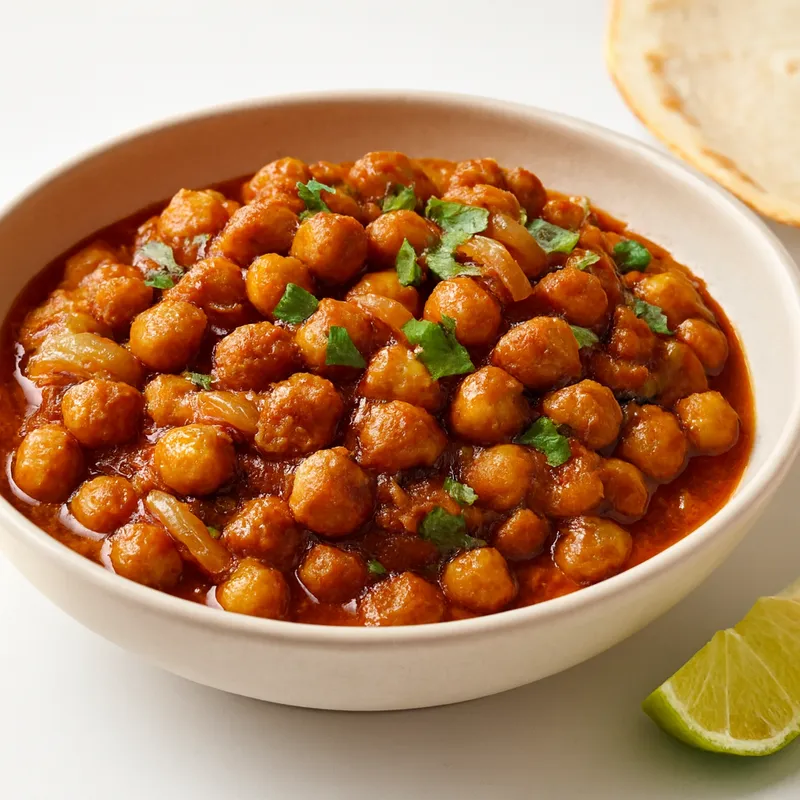
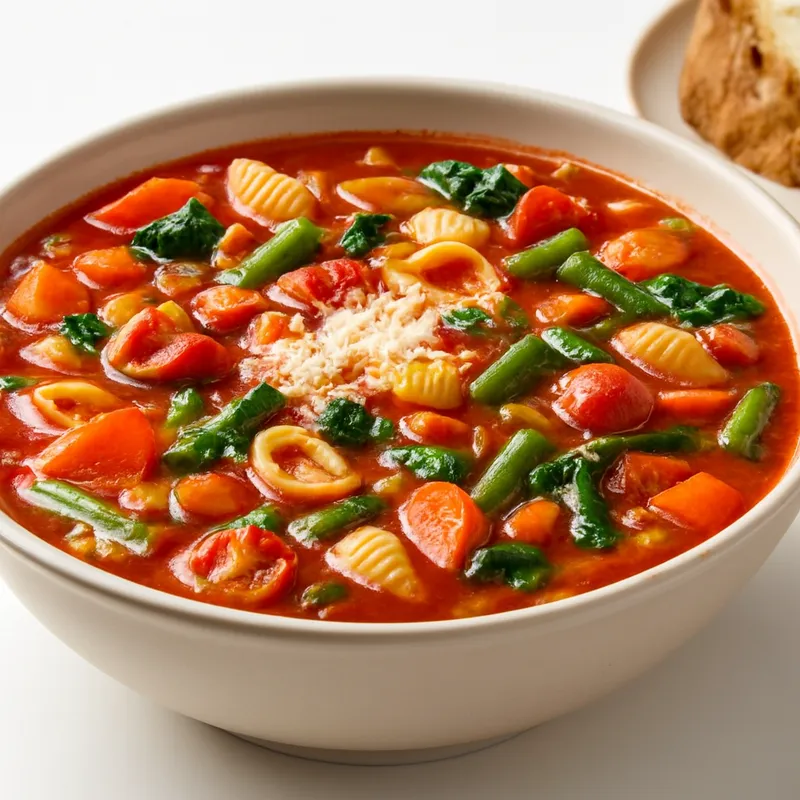
In Moroccan cuisine, chickpeas are a foundational ingredient in many traditional dishes. They are often used in stews and soups, such as harira, where they contribute to the dish's hearty texture and protein content. Chickpeas are typically soaked overnight and then simmered with spices like cumin and coriander.
In Caribbean cuisine, chickpeas are commonly used as a filling in fried street foods like doubles. The chickpeas are cooked until soft and then spiced with curry powder, turmeric, and cumin to create a flavorful filling. This mixture is often served sandwiched between two pieces of fried flatbread.
In Caribbean cuisine, chickpeas are commonly used as a filling in fried street foods like doubles. The chickpeas are cooked until soft and then spiced with curry powder, turmeric, and cumin to create a flavorful filling. This mixture is often served sandwiched between two pieces of fried flatbread.
Nutrition (per 100g)
AI-estimated; model and run unavailable.
Pairs well with