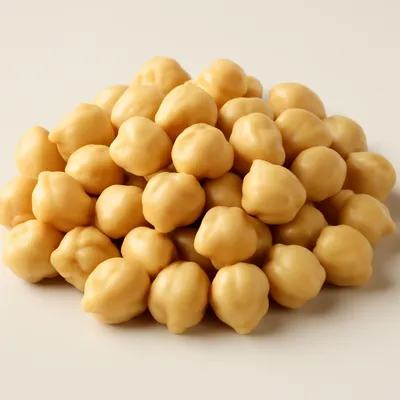




A pan-Ethiopian and pan-Eritrean highland staple, rooted in the long fasting calendar of the Ethiopian Orthodox Tewahedo Church. With nearly half the country Orthodox, observance covers Wednesdays and Fridays plus extended fasts such as the Great Lent (Tsom), adding up to well over a hundred meat-, egg- and dairy-free days a year — creating standing demand for a filling, fully vegan main. The highland solution was to shift the labor to ordinary days: legumes are roasted, ground and pre-spiced into a shelf-stable shiro powder kept on hand, so that during a fast the cook need only add water and oil. This pantry logic — prepared in advance, finished fast — is why shiro endures. Though outsiders treat it as a chickpea dish, the most common base is actually the field pea, with chickpea, fava bean and grass pea also used; recipes vary by household and region.
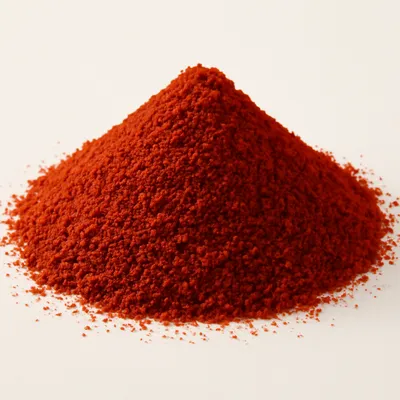
A pantry-engineered fast food centuries old: chickpea or fava flour pre-roasted with berbere and salt, then sold dry so home cooks just add water and onion. Shiro tegamino is the smooth grade; shiro bekul keeps the legume bits.
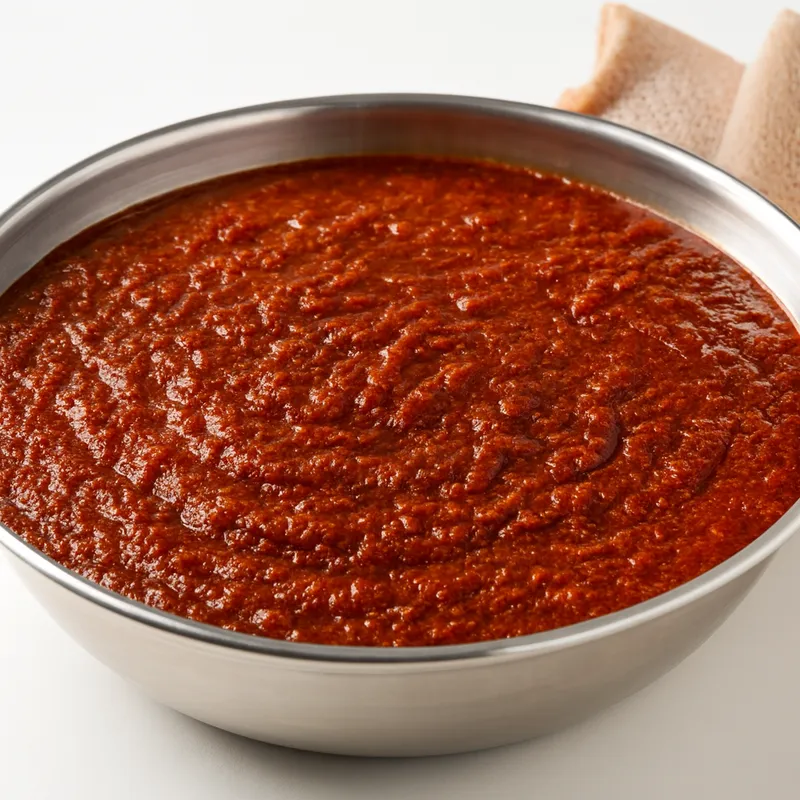
A smooth, brick-red puree the consistency of thick polenta, served bubbling in a small clay dish set on the injera. Tastes of toasted chickpea, berbere, and warm spice butter — gentle compared to doro wat, no chunks. You scoop with injera; the dish is hot enough to keep cooking onto the bread for a minute after it arrives. A staple of fasting days when meat is off the table.
The work is in the powder, not the cooking. Raw legumes are sun-dried, dry-roasted until fragrant, de-hulled and finely milled before being blended with spices — that roast drives off the raw-bean smell and develops a nutty depth, and it is the step that sets the flavor. Skip it, and even shop-bought raw legume flour simmered at home stays flat and beany no matter how long it cooks. Because berbere, garlic and the rest are already worked into the finished powder, the stovetop steps are the easy part: sweat onion, add water and oil, stir to a thick puree. Fancier cooks reduce it especially thick in a small clay pot until the base lightly caramelizes, adding richness and a roasted note — this pot-and-pan service is what Ethiopians call tegamino (also tegabino), an Italian-colonial loanword from tegame, 'small frying pan,' naming the vessel and method rather than the grind.
Variations
Shiro splits two ways. By color: a red version loaded with berbere (the common one) versus a white, chili-free version using only mild spices, made milder for those avoiding heat or wanting a plainer fasting dish. By texture: a finely milled, fully blended powder gives a smooth puree, while a coarser home grind leaves visible legume bits. On fasting days the niter kibbeh is often dropped for plain oil. Eritrean versions tend to run thinner, almost pourable as a sauce. There is also shiro fit-fit, shiro stirred into shredded injera and eaten with a spoon, and a richer non-vegan version made with meat.
On the Palate
Where Shiro sits in the Ethiopian flavor cloud
Ingredients






How it's made
6 steps · 30 min
- 15 min
In a medium saucepan, melt the ghee over medium heat. Add finely chopped onions, stirring until they are soft and golden, about 5 minutes.
Watch outEnsure the ghee is not too hot to avoid burning the onions.
- 22 min
Add minced garlic and a spoonful of berbere to the onions. Cook for an additional 2 minutes, allowing the spices to bloom and fill the kitchen with their aroma.
Watch outThe berbere should darken a shade and smell deeply fragrant within a minute or two — the moment it's aromatic, move on before it scorches.
- 35 min
Stir in pureed tomato, cooking until the sauce thickens slightly, about 5 minutes. The tomato should lose its raw edge and integrate with the spices.
Watch outCook the tomato until it loses its raw, sharp smell and the oil starts to separate out — that's when it's melded with the spices.
- 47 min
Add chickpea flour gradually, stirring constantly to avoid lumps. Slowly incorporate water until the mixture reaches a smooth, thick consistency resembling a creamy stew.
Watch outRain the flour in slowly while stirring nonstop; the mix should thicken to a smooth, lump-free puree like a creamy stew.
- 510 min
Let the shiro simmer gently for 10 minutes, stirring occasionally. The flavors will meld, and the stew will thicken further.
Watch outKeep it at a lazy blip and stir now and then — it spits when thick, and the bottom scorches fast if you walk away.
- 61 min
Season with additional spices to taste and serve hot, accompanied by injera.
Archive tool suggestions — not reviewed
These legacy suggestions have not been evidence-reviewed and are not presented as required tools.