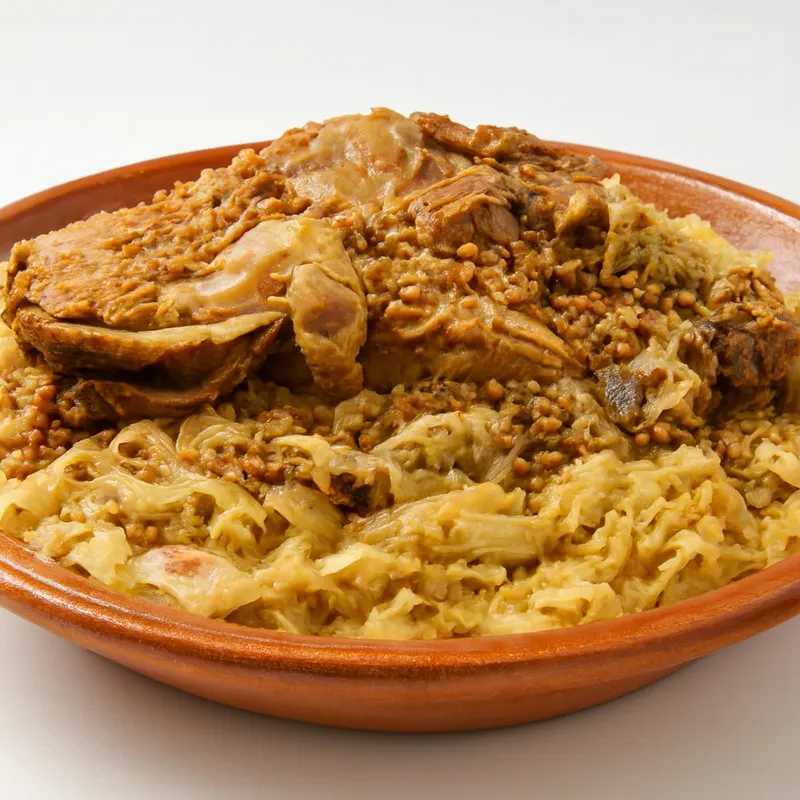




A traditional postpartum dish from northern Morocco — Fes and the surrounding Rif region — served to women in the 7-40 days after giving birth. The fenugreek (helba) is medicinal: in North African folk pharmacology it stimulates milk production and warms the body. The dish predates written record but was already standard postpartum food by the 16th century; it migrated into general celebratory use later, particularly for naming ceremonies (sboua) on a baby's seventh day.
A postpartum dish from Fes and the Rif — served to women in the 7-40 days after giving birth. The fenugreek (helba) is medicinal in North African folk pharmacology, said to bring in milk. Soak the seeds 12 hours before grinding or the bitterness dominates.
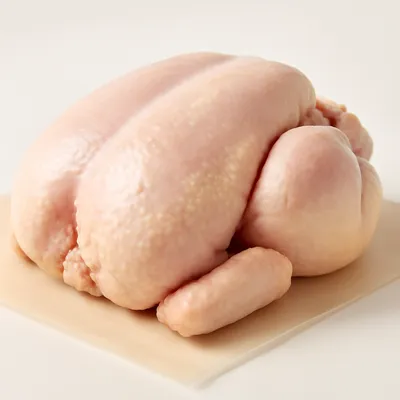
Torn sheets of msemen (or its cousin trid) layered at the bottom of a wide platter, soaked in a fenugreek-heavy chicken-and-lentil broth ladled over them so the bread half-dissolves. A whole roasted chicken sits on top; the broth gets seasoned with ras el hanout and ground fenugreek seed, which carries a maple-celery bitterness through the dish. Eaten communally by hand, tearing chicken and bread together. The fenugreek dose is the signature — too little and it's just chicken stew on bread.
Fenugreek seed has to be sprouted or soaked overnight before grinding, otherwise the bitterness dominates. Traditional cooks soak the seeds 12 hours, drain, then simmer them whole in the broth — the bitterness mellows into something maple-savory. Modern shortcuts use ground fenugreek dropped in dry; the dish then tastes acrid. The bread layer matters too: msemen's lamination soaks broth without dissolving completely, while regular flatbread turns to mush in 5 minutes.
Variations
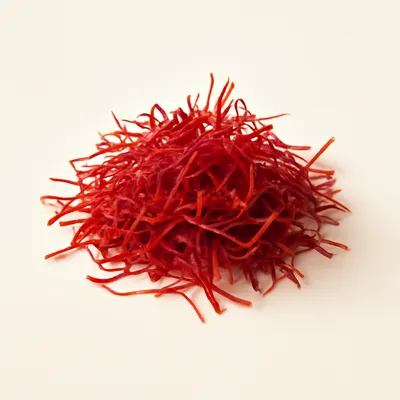
Fes version (heavier on saffron, lighter ras el hanout); Rabat version (more lentil, less broth); Marrakech-Souss version (uses trid pastry instead of msemen, more buttery); Jewish Moroccan rfissa (often with hard-boiled eggs and no fenugreek for non-postpartum settings).
On the Palate
Where Rfissa sits in the Moroccan flavor cloud
Soak the fenugreek seeds overnight and simmer them whole in the broth so their harsh bitterness mellows into a maple-savory depth — dropped in dry and ground, they turn the whole dish acrid.
Ingredients



How it's made
5 steps · 1 hour 10 min
- 110 min
Melt butter in a large pot over medium heat. Add sliced onions, stirring until they soften and turn golden, releasing a sweet aroma, about 10 minutes.
Watch outOnions are ready when they've collapsed soft, turned golden, and smell sweet rather than sharp.
- 210 min
Add chicken pieces, ginger, saffron, and ras el-hanout to the pot. Stir to coat the chicken in the spices and cook until the chicken is browned and fragrant, about 10 minutes.
Watch outAvoid overcrowding the pot, which can prevent proper browning.
- 340 min
Pour in enough water to cover the chicken, then add lentils and fenugreek seeds. Bring to a boil, then reduce to a simmer, cooking until the chicken is tender and the lentils are cooked through, about 40 minutes.
Watch outKeep it at a gentle simmer, not a hard boil; the chicken should be fall-tender and the lentils soft but not blown apart.
- 45 min
While the chicken cooks, prepare the msemmen by warming them on a griddle or in a pan until they are slightly crisp and warm, about 5 minutes.
Watch outWarm the msemen just until it's crisp at the edges and pliable, ready to drink the broth.
- 55 min
Serve the chicken and lentil mixture over the warmed msemmen, garnished with fresh cilantro.
Archive tool suggestions — not reviewed
These legacy suggestions have not been evidence-reviewed and are not presented as required tools.