


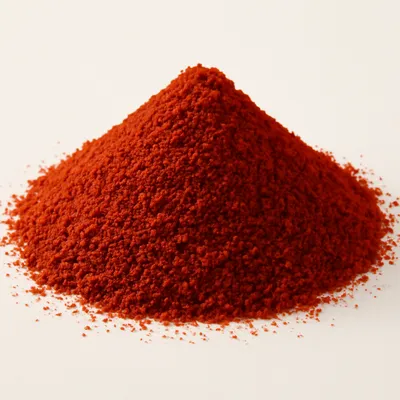


Pan-Ethiopian and pan-Eritrean staple. Misir wot's prominence is structural: Ethiopian Orthodox tradition forbids meat and animal products on Wednesdays, Fridays, and during multi-week fasts (Hudadi, Filseta, Tsome Nebiyat) — totaling 180+ vegan days a year. Lentil-based wats fill that calendar. Berbere developed only after chili peppers reached the Ethiopian highlands through the Columbian exchange — arriving via Red Sea and Indian Ocean trade routes around the 16th–17th century — and matured over the following centuries into the spice blend that now defines Ethiopian cooking.
Berbere only codified in the late 19th century when Indian Ocean trade brought new chilies into Ethiopian kitchens. The dry-onion stage — 20+ minutes with no oil — is the most-skipped step and the most punished one.
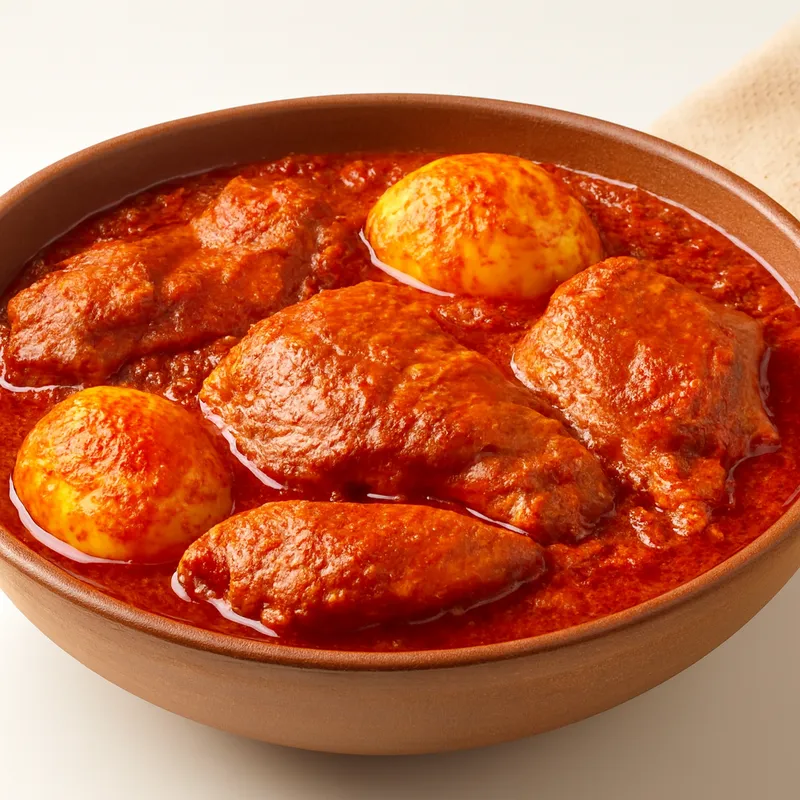
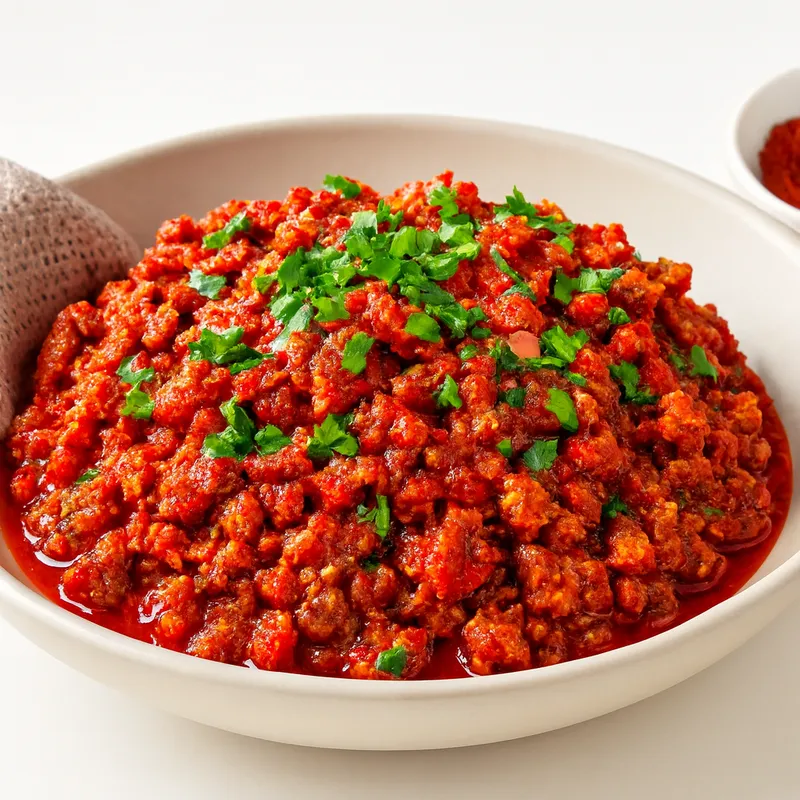
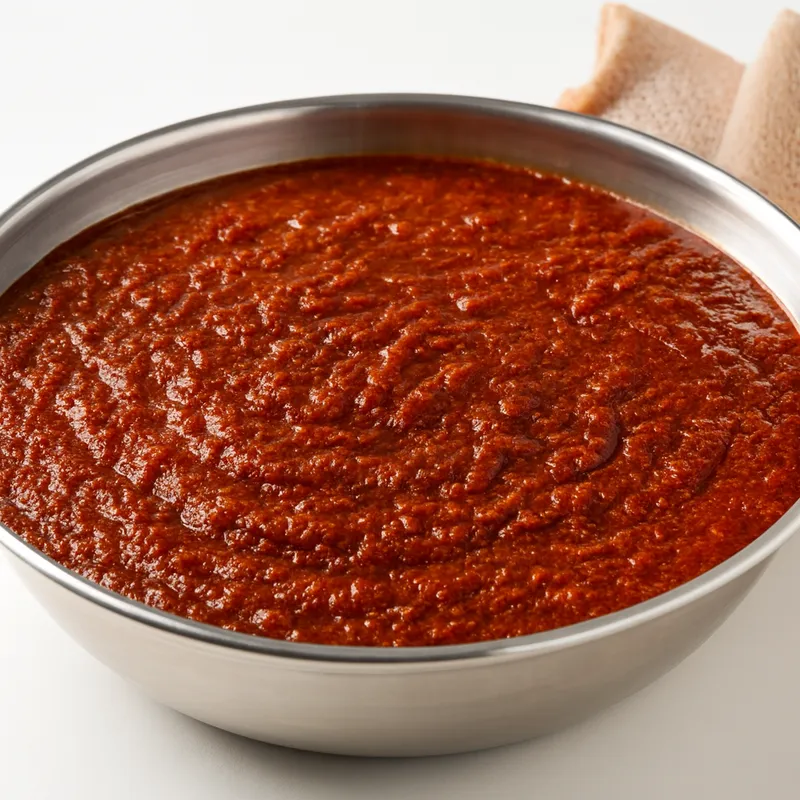
Red split lentils cooked down with caramelized onion, berbere, garlic, ginger, and niter kibbeh until the lentils break and turn the pot a deep brick-red. Eaten on injera alongside other wats, often opposite a milder yellow alicha lentil for contrast. Cheap, fast (lentils cook in 30 minutes), and the workhorse of Ethiopian fasting kitchens.
The trick is splitting the cook into stages: dry-fry the onion until it collapses (no oil, 20+ minutes), then add berbere and niter kibbeh and bloom the spice in fat, then add lentils and water. Skipping the dry-onion stage is the most common home-cook error — the resulting stew is thin and harsh, with chili sitting on top instead of integrating into a sweet-savory base.
Variations
Pairs opposite kik alicha (mild yellow split pea) on a Beyaynetu platter; Eritrean tsebhi birsen runs a hair sweeter; spicier Tigrayan versions push berbere harder and shorten the cook.
On the Palate
Where Misir Wot sits in the Ethiopian flavor cloud
Ingredients

How it's made
5 steps · 40 min
- 18 min
Finely chop the onion, garlic, and ginger. Heat oil in a deep pan over medium heat until shimmering. Add the chopped ingredients and sauté until the onion turns golden brown and fragrant, about 8 minutes.
Watch outDon't stop at translucent — push the onion to a soft, deep-golden pulp; that color is your sweetness gauge.
- 22 min
Stir in the berbere spice blend, letting it bloom in the hot oil for 2 minutes. The aroma should be rich and spicy, filling the kitchen.
Watch outThe berbere should sizzle and its raw dustiness should give way to a warm, sweet-spicy aroma; if it smokes, the oil's too hot.
- 35 min
Add the tomato, chopped finely, and cook until it softens and melds with the spices, about 5 minutes. The mixture should become a thick, aromatic paste.
- 420 min
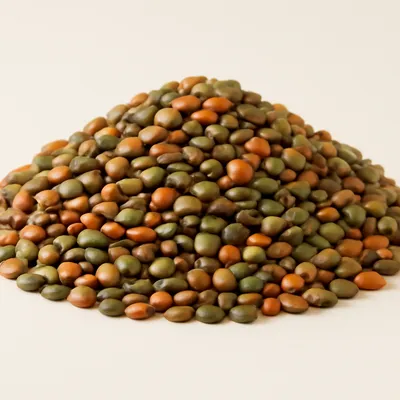
Rinse the lentils under cold water until the water runs clear. Add them to the pan along with enough water to cover them by about an inch. Bring to a simmer, cover, and cook until the lentils are tender, about 20 minutes, stirring occasionally.
Watch outLook for the lentils to go soft while the liquid thickens into a glossy sauce, not a thin broth.
- 55 min
Stir in the ghee, allowing it to melt and enrich the stew. Simmer for another 5 minutes until the flavors meld together.
Archive tool suggestions — not reviewed
These legacy suggestions have not been evidence-reviewed and are not presented as required tools.