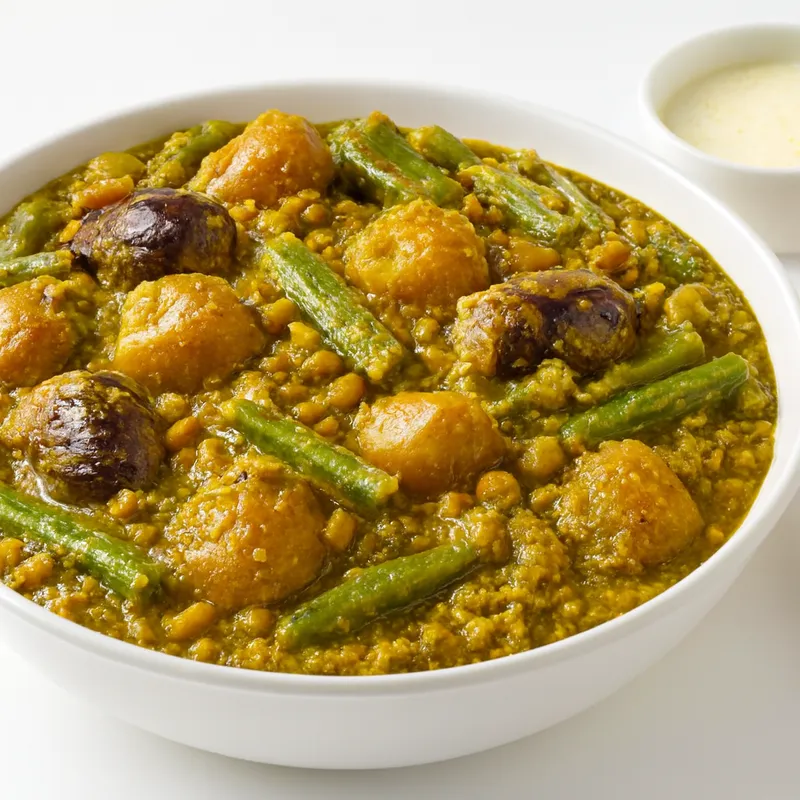
A staple of Ethiopian fasting tables across the Orthodox calendar. The Ethiopian Orthodox Tewahedo Church keeps one of the strictest fasts of any church: lay believers abstain from all animal products — meat, dairy, and eggs — for roughly 180 mandatory days a year, while clergy and the devout may fast up to around 250, observing every Wednesday and Friday plus the major fasts such as Lent. Leafy greens like this, alongside legume purees, are what carry a meal through the fasting season. Which green, though, is not a single story: the Ethiopian highlands have long grown an indigenous brassica (Ethiopian kale / Ethiopian mustard, Brassica carinata, locally tied to the name ye'abesha gomen), used both as a leaf vegetable since antiquity and as an oilseed, and well suited to the cool, high-altitude climate. The wide-leafed, collard-type green common in restaurants today is a related but partly introduced plant — so the idea that the green simply 'arrived through trade' is only half right; native highland kale and introduced collards have run side by side in Ethiopian kitchens.
Collards have been farmed in the Ethiopian highlands for centuries because they tolerate altitude better than spinach. The trick is cooking it twice — blanch first, then sauté in niter kibbeh steeped with fenugreek, koseret, besobela, and black cumin.
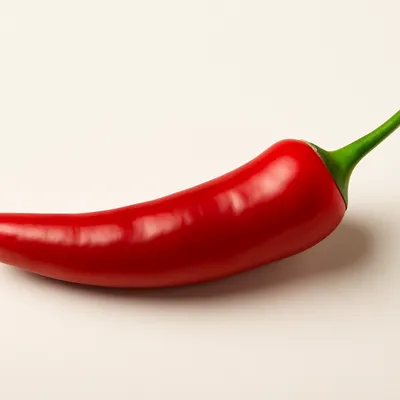
Collard greens chopped coarse, stewed soft but still green, slick with niter kibbeh. Garlic and ginger come through up front; a green chili or two for backbone. Eaten by hand off injera, scooped with a torn piece used as both spoon and bread. The leaves should hold body — boiled-grey gomen means the cook walked away.
The trick is cooking it twice: blanch first to drop the bitterness, then sauté in niter kibbeh — clarified butter steeped with fenugreek, koseret, besobela, and black cumin. The spiced butter is what separates Ethiopian gomen from any other braised greens; without it the dish is just collards.
Variations
Gomen besiga adds beef chunks for non-fasting days; ye'abesha gomen runs slicker with extra spiced butter; Eritrean hamli pushes garlic harder and adds tomato.
On the Palate
Where Gomen sits in the Ethiopian flavor cloud
Ingredients


How it's made
3 steps · 13 min
- 15 min
Heat oil in a large skillet over medium heat until shimmering. Add finely chopped onion, garlic, and ginger, sautéing until the onion is translucent and aromatic, about 5 minutes.
Watch outThe onion should turn glassy and smell sweet, not brown — that's when the garlic and ginger have given up their sharpness.
- 25 min
Add chopped kale and collard greens to the skillet, tossing them in the aromatic mixture. Cook until they are wilted and vibrant green, about 5 minutes.
Watch outToss constantly as the leaves collapse; the moment they wilt and flash a deeper green, they're done — any longer and they dull.
- 33 min
Stir in chopped chili pepper and a spoonful of ghee. Cook for an additional 3 minutes until the greens are tender and infused with the chili's heat.
Watch outStir the ghee through off any fierce heat so the aromatics bloom without scorching; the greens should glisten, not fry.
Archive tool suggestions — not reviewed
These legacy suggestions have not been evidence-reviewed and are not presented as required tools.