
Gurage-region fermented false-banana bread — the pith of the ensete plant (Ensete ventricosum) is scraped, fermented underground for weeks-months, then kneaded into a dough and baked into a dense bread eaten with kitfo and ayib cheese.
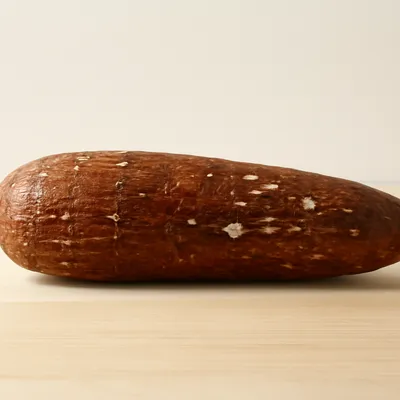


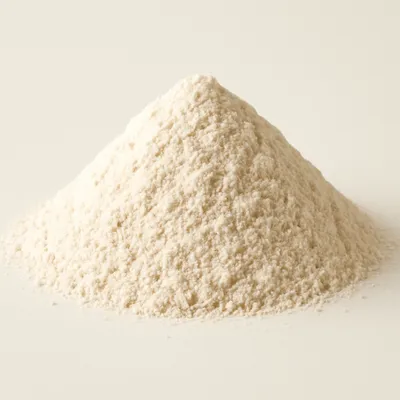

Kocho is the most-distinctive food of the Gurage people of south-central Ethiopia, and of the wider enset-cultivating southern highlands (Sidama, Wolayta, Dawro). Enset (Ensete ventricosum), the 'false banana,' is a large herb of the banana family whose swollen pseudostem base resembles an elephant's leg; it does not produce edible fruit but instead stores carbohydrate in its corm and pseudostem, and it is this starch the Gurage scrape, pulp, and ferment into kocho. Drought-resistant, harvestable year-round, and storable underground for years, enset is known as the 'tree against hunger'; an estimated 60 plants can feed a family of five for a year, and roughly one-sixth of Ethiopia's population (over 20 million people) depends on it as a staple — kocho is foundational food, not garnish. Processing the pseudostem, tending the fermentation pit, and selling kocho at market are traditionally women's work, and a pit of kocho is treated as a household asset. It is eaten with kitfo (raw-minced beef, the Gurage's other signature) and ayib (fresh cheese), and is the centerpiece of Gurage Sunday lunches and celebrations.
Tear off a piece of warm kocho with your right hand; it's dense, sour-tangy from the fermentation, with deep-charred edges where it touched the iron. The texture is between dense bread and savory cake — chewier than injera, denser than wat. Use the kocho to scoop a spoon of raw kitfo (red, spiced) and a ball of ayib (white, fresh-cheese cool). Bite: the sour kocho meets the spicy raw beef and the cool fresh cheese — three textures, three temperatures, three flavors in one mouthful. Ethiopia's deepest food tradition, alive in every Gurage kitchen.
Kocho's defining sourness comes from underground fermentation. Women scrape the enset pseudostem's leaf-sheath parenchyma and grate the pulverized corm against a wide wooden board into a moist white pulp; mixed with a starter, this is packed into a leaf-lined earth pit, covered with enset leaves and weighted with stones, and buried for anywhere from a few months to one or two years. In the pit, lactic-acid bacteria (led by Leuconostoc mesenteroides) and then yeasts and clostridia break down the starches and fibers, driving the pH down — developing the characteristic tangy-sour aroma while suppressing spoilage organisms and letting the dough keep for years. This long pit fermentation, not the cooking, is what sets authentic kocho apart. The fermented dough is then kneaded and griddled on hot iron, charring the exterior against the soft, sour interior.
Variations
True Gurage kocho uses fresh-scraped enset pseudostem fermented in an earth pit for several months up to one or two years; the Wolayta-Sidama version sometimes works barley flour into the kneading. Bulla — the refined white starch decanted and dried from the pressed juice — is a finer product than kocho, used for porridge and dumplings. Addis Ababa restaurants serving Gurage cuisine ship dried, vacuum-packed kocho from southern villages; diaspora restaurants, unable to source enset, often substitute fermented cassava and the like, which approximates the form but not the enset-specific earthy fermented aroma.
On the Palate
Where Kocho sits in the Ethiopian flavor cloud
The soul of kocho is the long sour ferment, not the griddling, so give the wrapped dough its full buried rest until it darkens and turns genuinely tangy, because that acidity is the whole character and no amount of pan time can fake it.
Ingredients
Serves 8How it's made
5 steps · 1 hour 30 min active + 3 days 22 hours 30 min waiting
- 15765 min
(Home adaptation — substituting cassava flour fermentation for ensete. True kocho requires fresh ensete pseudostem, which is unavailable outside Ethiopia.) Make a fermented cassava starter: in a non-reactive container, combine 500g cassava flour + 1L water + 100ml kefir (or whey). Stir well; cover loosely with a cloth. Leave at room temperature 4 days, stirring once daily — should develop sour-tangy aroma.
- 28 min
Once the starter is sour, knead in: another 500g cassava flour + 100g masa harina (corn flour, for binding) + 1 tbsp salt. The dough should be very stiff — add a small amount of water (50-100ml) only if needed.
- 315 min
Wrap the dough in fresh banana leaves (wilted briefly over flame for pliability), making a flat 4cm-thick disk about 25cm in diameter. Wrap snugly; tie with kitchen twine.
- 47200 min
Bury the wrapped dough in a sealed container of moist sand or soil (replicating ensete pit fermentation) at room temperature for 5 days. (Modern adaptation: refrigerate 5 days in a sealed container — the cool temperature slows fermentation but still develops sour notes.)
Watch outThe buried dough is ready when it has darkened and given off a clear tangy-sour aroma.
- 522 min
Unwrap. The dough should have darkened and developed a tangy-sour aroma. Heat a heavy cast-iron pan or griddle to medium-high. Cook the kocho disk in the pan 8-10 min per side until charred dark brown spots appear and the bread firms up. Slice into wedges. Serve warm alongside kitfo (raw-minced spiced beef), ayib (Ethiopian fresh cheese), and gomen (collard greens) — pinch off bite-sized pieces by hand and use them to scoop the toppings.
Watch outCook each side until dark charred spots form and the disk firms up rather than staying doughy.
Archive tool suggestions — not reviewed
These legacy suggestions have not been evidence-reviewed and are not presented as required tools.



