
Shan-state thin discs of fermented soybean paste sun-dried into crackers — pungent fermented disc charred over flame and crumbled into salads or eaten with sticky rice.


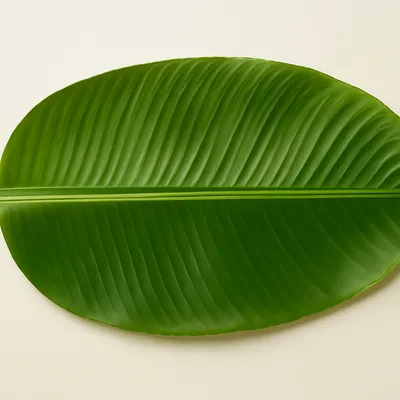
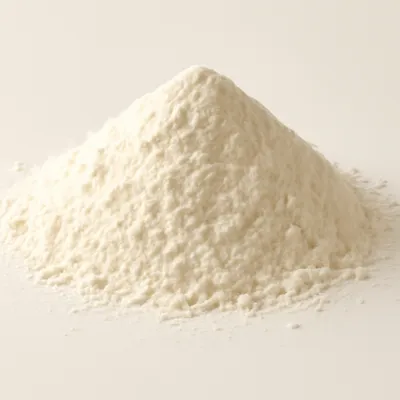

Tua nao (literally 'rotten beans' in Northern Thai, the dried-disc form of pone yay gyi (the fermented soybean paste); 'kyaw' actually means 'fried', so 'pone yay gyi kyaw' is the fried-paste dish, not the cracker) is the shelf-stable cracker form of fermented soybean. After making pone yay gyi paste, Shan cooks roll it thin between banana leaves and sun-dry for 1-2 days to produce hand-sized discs that can be stored for months without refrigeration. The discs are then charred over flame to develop a smoky-toasted aroma before being crumbled into Shan noodles, salads, and stir-fries. Found at every Shan-state market and increasingly in Yunnan and Northern-Thai markets that share the fermentation tradition.
Hold a tua nao disc by tongs and char it over the burner — it bubbles up, scents the air with toasted-funky soy-and-smoke, then crumbles in your hand. A pinch on a Shan tomato salad or scattered into hto-hpu nway transforms the dish, adding glutamate depth and smoke that nothing else provides. The Shan kitchen's answer to dashi.
Sun-drying drops moisture content from 60% to <10%, preserving the fermentation flavors while halting bacterial activity (no more umami development, but also no spoilage). The post-flame char generates Maillard compounds (browning) that add a roasted-coffee-like note absent in unroasted tua nao. Without the flame char, tua nao tastes flat — the char is essential.
Variations
Inle Lake version is thinner (1mm) and more delicate; Hsipaw version is thicker (4mm) with whole bean still visible; Yunnan Yi-people version (across the border) is rounder and toasted in pan with oil rather than dry-flamed.
On the Palate
Where Tua Nao Crackers sits in the Burmese flavor cloud
The flame char at the very end is not optional — it generates the roasted, coffee-like aroma; an uncharred disc tastes flat no matter how well it fermented.
Ingredients
Serves 8
How it's made
5 steps · 1 hour active + 1 day 23 hours waiting
- 14320 min
Make pone yay gyi base if not already on hand (see Pone Yay Gyi recipe; need 500g fermented paste).
- 23 min
Mix the fermented paste with 1 tbsp salt, 1 tbsp ground roasted Sichuan peppercorn, 1 tbsp Shan chili powder (or paprika+chili mix).
- 317 min
Place a fist-sized portion between two banana leaves on a flat surface. Roll out to 2-3mm thick disc, 12cm diameter. Repeat for remaining mixture.
- 42160 min
Transfer discs (still on lower banana leaf for stability) to a tray. Sun-dry in direct sunlight 1-2 days, flipping after 12 hours, until completely dry and slightly brittle. Discs should shrink slightly and feel hard. (If no sun: use a 50°C oven 6-8 hours.)
Watch outThe disc is dry enough when it feels hard and shrinks slightly — a bendy disc still holds moisture.
- 53 min
To eat: hold a disc with tongs over a gas flame, char both sides until bubbled, blistered, and smoky-fragrant (about 30 sec per side). Crumble into salads (especially Shan tomato salad), sprinkle on noodle soups, or eat alongside sticky rice. Stores 2-3 months in an airtight container.
Watch outChar until the surface bubbles and blisters and smells toasty — that blister is the sign it's ready.


