
Fermented tea-leaf salad — pickled lahpet tossed with peanuts, fried garlic, fried split chickpeas, sesame, dried shrimp, tomato, lime.



Bamar court ceremonial dish — historically a peace offering between feuding kingdoms, the sealed tea-leaf jar carrying the truce. Mainland Southeast Asia's only meaningful tea-eating tradition (vs. tea-drinking), centered in northern Shan State's tea hills.
Three of the Burmese 12 omens involve lahpet — including its role in offering reconciliation. U Hla Tun Pru's tea house in Yangon's 19th Street has served the same recipe since 1962, run by the founder's grandson now.
Dark green pickled leaves, sour-bitter-funky, against the crackle of fried garlic, peanuts, split chickpeas, and sesame. Lime and dried shrimp pull it salt-bright. Each bite different — texture is the whole point.
Tea leaves are steamed, then anaerobically pickled in bamboo or jars for weeks to months. The lactic ferment kills bitterness and develops umami. Served as a 'salad ring' on a lacquer tray, eaters mix their own ratio of leaf to crunch.
Variations
Yangon-style is the 'wet' version with oil-pickled leaves. Mandalay version uses drier, more bitter leaves and adds more fried split-pea. Inle Lake Shan households grind the salad fine with garlic-chili oil at the table.
On the Palate
Where Lahpet Thoke sits in the Burmese flavor cloud
Build the dish around properly fermented lahpet tea leaves — the weeks-long anaerobic lactic pickle is what strips the raw bitterness and develops the savory depth; fresh or dried tea can't stand in.
Ingredients
Serves 4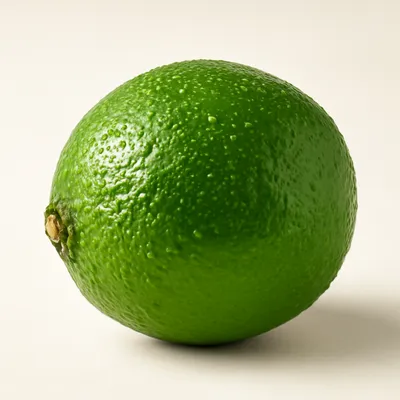
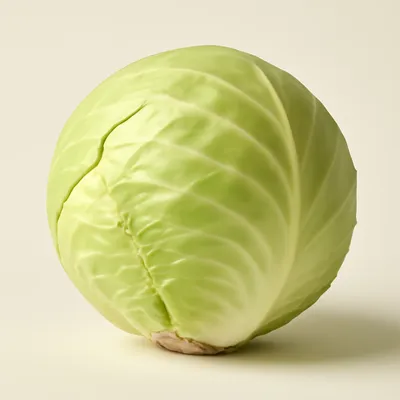


How it's made
5 steps · 6 min active + 20 min waiting
- 15 min
Massage 200 g fermented lahpet tea leaves with sesame oil; let rest 5 min.
Watch outRub the oil into the leaves and let them rest so they loosen and soak it up before you build the rest.
- 210 min
Toast 60 g sesame + 60 g split chickpeas + 60 g peanuts separately in dry pan.
Watch outToast each seed and legume only to fragrant gold, pulling each as it colors — don't let any scorch.
- 34 min
Fry 4 minced garlic cloves in oil until crispy gold; drain.
- 45 min
Toss lahpet + roasted seeds + 2 chopped tomatoes + 2 tbsp dried shrimp + lime + fish sauce.
Watch outToss everything together only right before eating so the crunch survives the lime and fish sauce.
- 52 min
Pile on plate; serve immediately with extra lime wedges.


