
Lahpet-htamin — leftover lahpet thoke folded into hot rice with sesame and dried shrimp. Bamar tea-house breakfast.



Bamar tea-house repurposing — born of frugality in mid-20th-century Yangon and Mandalay tea shops, where the previous day's leftover lahpet thoke was tossed with morning rice rather than discarded. Now a deliberate breakfast on its own merit.
Yangon's Lucky Seven tea house has served lahpet htamin as a 7am breakfast since 1990. The dish is logged in U Pe Maung Tin's 1953 essay on Bamar tea culture as 'student food' — cheap, filling, late-night doable.
Warm white rice tinged green-brown by mixed-in tea-leaf paste, pocked with peanuts, fried garlic, sesame, dried shrimp. Sour-bitter-funky from the lahpet, savory-crunchy from the rest. Eaten with a wedge of lime and a hot tea on the side.
Rice must be hot but not steaming — too hot wilts the lahpet and steams the crunch into mush. Mix lahpet first into rice, then add crunch last. Garlic oil from the lahpet jar is the binder. No additional fat needed.
Variations
Yangon café version uses commercially-pickled wet lahpet. Mandalay home version uses drier hand-pickled leaves. Inle Lake version adds a soft-yolk fried egg on top, mixed in at the table.
On the Palate
Where Tea Leaf Rice sits in the Burmese flavor cloud
Ingredients
Serves 2How it's made
3 steps · 38 min
- 120 min
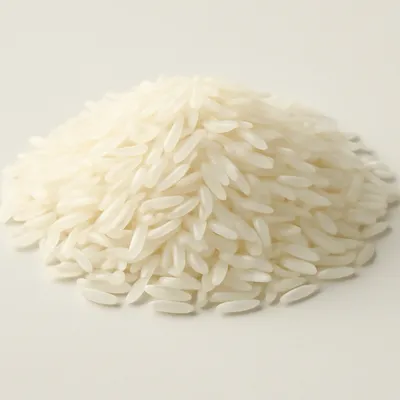
Cook 200 g jasmine rice; keep warm.
Watch outKeep the rice warm but not steaming-hot — too hot and it wilts the tea leaves and steams the crunch to mush.
- 215 min
Prepare lahpet thoke ingredients (#2334).
- 33 min
Fold dressed lahpet thoke into hot rice with extra sesame, dried shrimp.
Watch outFold the dressed leaves through first, then scatter the sesame and dried shrimp last so the crunch stays crunchy.


