


Burmese
Fermented tea leaves, fish-broth noodles, and the meeting point of Indian, Chinese, and Thai kitchens.
Mohinga
Fish-broth rice noodle soup with banana stem, eaten before sunrise at street stalls. The Burmese national bowl.
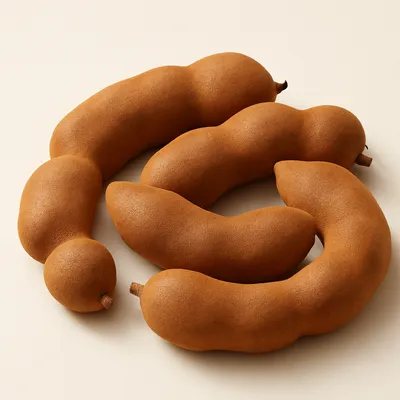
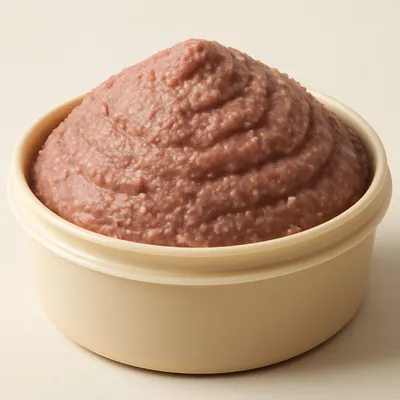
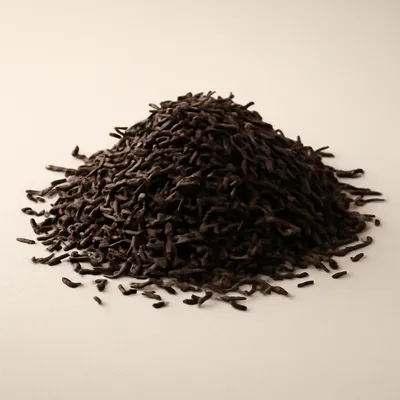
View page →Burma sits at the kitchen-borders of India, China, and Thailand — and the cuisine is the conversation between them. Breakfast is mohinga, a fish-broth-and-rice-noodle soup so universal that street vendors with steel pots roll it through Yangon at dawn. Lunch is lahpet thoke, the fermented-tea-leaf salad — yes, you EAT tea — pungent, bitter, herbal, mixed with peanuts, fried garlic, sesame, lime. Curries are heavier on oil than Indian (a slick of yellow oil floats on top, a sign of doneness), and the spice profile is gentler — turmeric, ginger, garlic, fish sauce, not chili-fire. Shan-style noodles from the highlands, chickpea tofu, fried gourd fritters with tamarind sauce. Burmese cooking is dense with fermentation (ngapi shrimp paste, fish sauce, fermented bamboo) and slow-cooked oil — once you learn to read it, you can taste exactly where you are in the country.
The Palate
What makes it taste like itself
Start Here
Catfish-and-lemongrass broth thickened with toasted rice flour, ladled over thin rice noodles, finished with crispy chickpea fritter chunks, fish sauce, lime, and chili oil.
Why start here · Mohinga is the Burmese national breakfast — the dish that defines whether someone is from Burma. Learning this is a passport into the country's food culture.
Fermented tea leaves mixed with crunchy fried garlic, peanuts, sesame, dried shrimp, lime juice, and shredded cabbage. Pungent, herbal, addictive, and uniquely Burmese.
Why start here · Lahpet thoke is the most unusual salad on earth — Burma is the only country that turns tea into food. Once you taste it, you remember it for life.
Coconut-chicken broth thickened with chickpea flour, ladled over wheat noodles with sliced shallots, hard-boiled egg, crispy noodles, and lime. The Burmese cousin to laksa.
Why start here · If mohinga is the morning dish, ohn no khao swè is the celebration dish. Coconut, chicken, chickpea — the warmth of Burma in a single bowl.
Cook First
The easiest way in


The Pantry



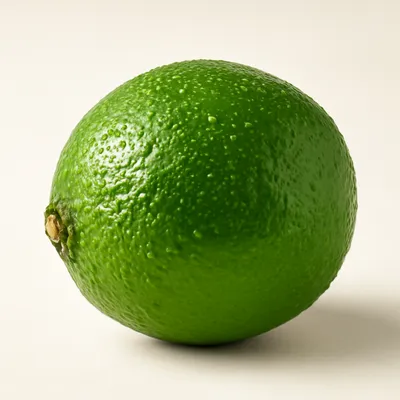



See all 131 ingredients›




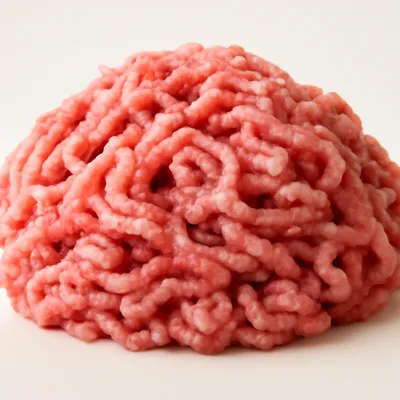

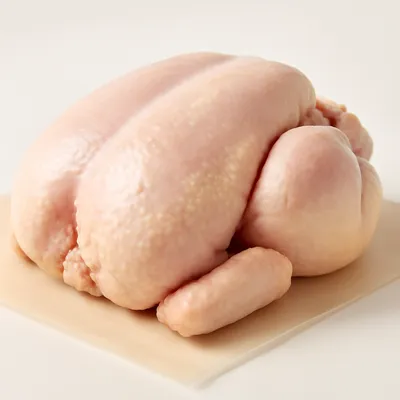
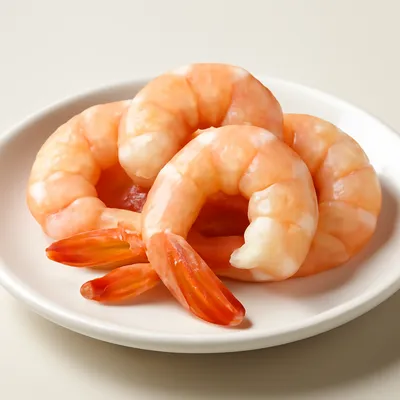


Vegetables









Herbs & Spices



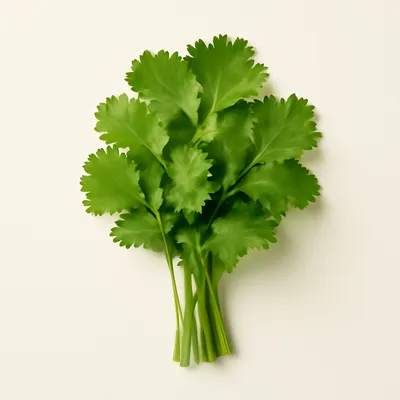

Grains & Staples


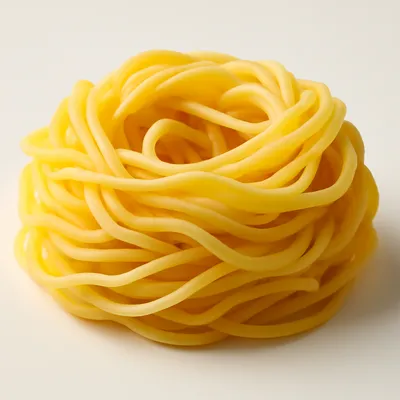

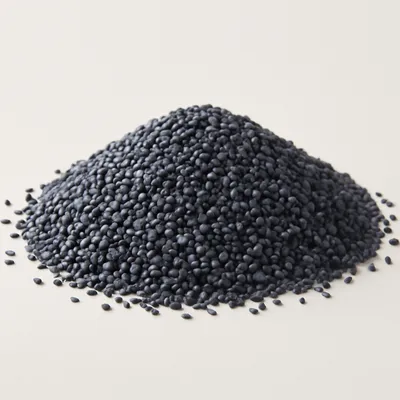


Dairy & Fats




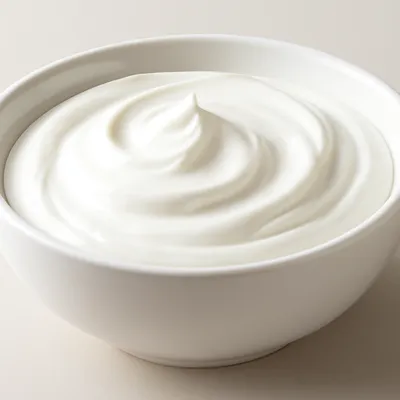










Four Regions
Four Ayeyarwady-region kitchens — Bamar canon (mohinga, laphet), highland-fermented Shan, Bay-of-Bengal Rakhine, northern Kachin. Tap a region to see its table.
The central canon — mohinga at dawn, laphet thoke at noon, ohn no khao swè at night. The fish-sauce-and-turmeric backbone of Burmese cooking.
Highland cooking with Yunnan and northern-Thai shadows — Shan noodles, tofu nway, sticky rice, fermented soybean tua nao.
Northern-hills kitchen with Yunnan and Tibetan influences — bamboo-shoot stews, fermented fish, sticky-rice with peanut, mountain pork.
The Bay of Bengal coast — Indian-spiced, seafood-heavy, fiercer than Bamar. Spicier mohinga, mont di noodles, fish-paste salads.
How They Cook
Techniques that define this cuisine
Kindred Kitchens
Cuisines built on the same signature ingredients
Signature Dishes (52)
Browse all 52 dishes›
Starters
6


Mains
20


