Black Tea
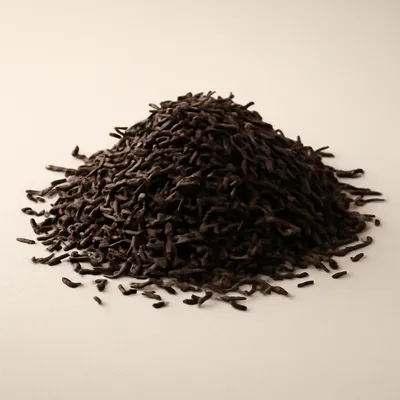
Black tea delivers a robust, malty flavor with notes of dried fruit and astringency, making it a comforting staple. Its deep color and invigorating properties create a ritualistic experience in many cultures.
Where it comes from
Black tea originated in China over 1,000 years ago and has since spread globally, becoming a cornerstone of British afternoon tea culture and an everyday beverage in countless households.
In the kitchen
Black tea can be infused into marinades and desserts, imparting depth and complexity, while also serving as a base for flavorful beverages like chai.
Across cuisines
Compressed black tea (Pemagül brick tea, traditionally from Sichuan and Yunnan) is the tea-bringing half of po cha — boiled long with salt, churned with yak butter in a long wooden cylinder until emulsified. The trans-Himalayan tea-horse trade brought this tea form to Tibet centuries before any other beverage; the brick is still the unit of currency in remote markets.
Black tea (compressed brick tea, historically) is the base of suutei tsai — the canonical Mongolian salt-milk tea drunk all day long. Brewed strong, mixed with milk and a pinch of salt, sometimes with butter or millet stirred in. The brick form was the trade-route currency between Russia and China that passed through Mongolia.
Hot black tea with milk, sugar, and sometimes a pinch of salt is the Kazakh hospitality ritual — every yurt and apartment visit begins with chai-pop. Endless refills are mandatory.
Nutrition (per 100g)
AI-estimated; model and run unavailable.
Pairs well with