


Tea drinking spread across India after the British East India Company opened Assam plantations in the 1830s; spiced milk-tea took hold in the 1900s when chaiwallas stretched expensive leaves with milk, sugar and kitchen masala. Indian Railways popularised it nationally.
Sold roadside at 10-15 rupees a cup. Mumbai's Yazdani Bakery has poured cutting chai (a half-glass) since 1953. Kolkata uses crushed cardamom only; Gujarat adds lemongrass; Kashmir's noon chai uses green tea and salt instead.
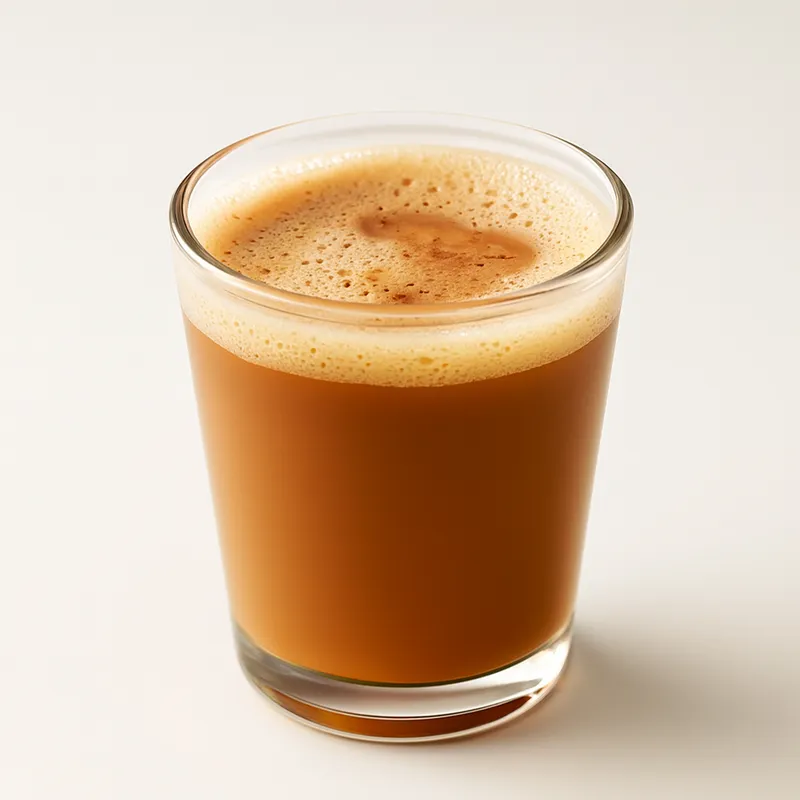
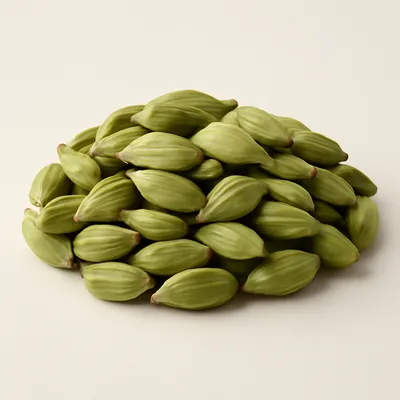
Cinnamon-brown, milky, served scalding in a 100ml kulhad clay cup or thick glass. Cardamom hits first, ginger heat in the throat, sweet enough that one sip resets a 14-hour shift.
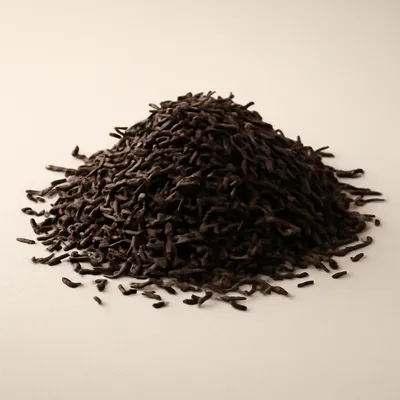
Spices and tea leaves boil in water 2-3 minutes before milk goes in — this extracts oils into water first. Then full-fat buffalo milk and sugar boil another 3-4 minutes; the long boil is what separates chai from a tea bag in milk.
Variations
Adrak chai (heavy ginger, Punjab winter); elaichi chai (cardamom-only, Bengal); kadak chai (twice-boiled bitter, Mumbai cabbies); noon chai (Kashmiri pink, salt + baking soda); Irani chai (Hyderabad, brewed and milked separately).
On the Palate
Where Masala Chai sits in the Indian flavor cloud
Ingredients
Serves 2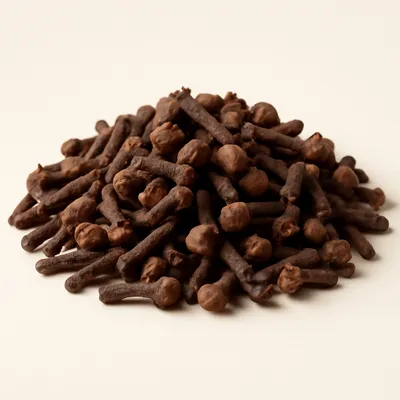
How it's made
4 steps · 13 min active + 5 min waiting
- 13 min
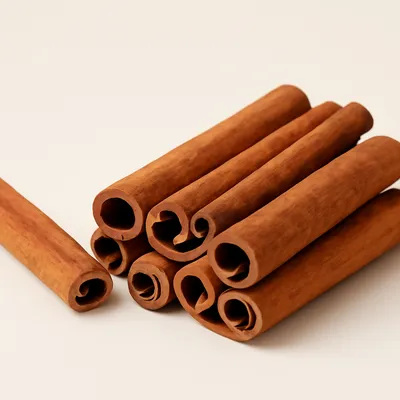
Crush 1 cinnamon stick + 6 cardamom + 4 cloves + 2 cm ginger in mortar.
- 28 min
Boil with 500 ml water + 500 ml milk + 4 tsp black tea + 60 g sugar.
Watch outLet the spices and tea boil in the water a couple minutes before the milk goes in — that first boil pulls the flavor out; milk too early and it stays weak.
- 35 min
Lower heat; simmer 5 min for deep flavor.
Watch outKeep it at a low rolling simmer and watch the rim — the milk climbs fast and boils over the second you look away.
- 42 min
Strain into cups; serve very hot.