
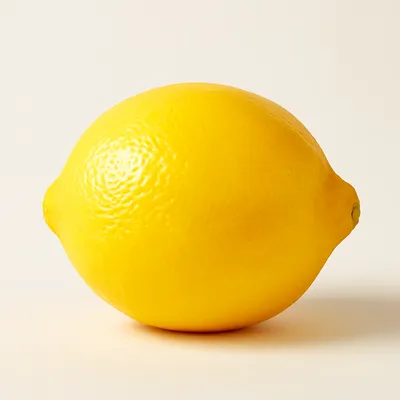
Sattu sharbat is the summer drink of Bihar: roasted gram flour (sattu) whisked into cold water and seasoned savoury with lemon, roasted cumin, black salt, green chilli and fresh coriander. It is cloudy, thin and bracingly tart-salty rather than sweet, and acts as both a cooling drink and a light, protein-rich meal in itself. Cheap, instant and filling, it is the everyday refresher of the Gangetic plain in brutal heat, sold by roadside vendors and made in every Bihari home; a sweet jaggery or sugar version is also common.



Sattu — roasted gram (and historically other parched grains) ground to flour — traces to the Magadh region of Bihar, whose name survives in the term Magadhi sattu, and has been a staple across Bihar, Jharkhand and eastern Uttar Pradesh for centuries; the word descends from Sanskrit saktu, parched ground grain. Because roasted sattu is fully cooked and instantly mixable, the cold sattu drink became the working person's sustenance and the region's answer to extreme summer heat — no cooking, no spoilage, instant energy. It is folk food without a fixed origin, long predating its recent fame as a 'desi protein' health drink in Indian cities.
Cloudy and earthy-tan, thin enough to drink yet substantial on the stomach. The taste is savoury and bracing: the deep roasted-nut flavour of sattu, sour lemon, the smoky-warm note of roasted cumin, a sulphurous mineral tang from black salt, fresh green-chilli heat and the lift of coriander. It is cooling and grounding at once, faintly gritty as the fine flour settles, and genuinely filling — a glass eats almost like a thin gruel. The sweet version is mellow and round instead, jaggery-dark and gently spiced.
The drink works precisely because sattu is pre-roasted. Dry-roasting the gram before milling gelatinises and partly dextrinises its starch and develops nutty Maillard flavour, so the flour is already cooked and disperses into cold water to make a drink rather than a raw paste — no heating needed. Whisking briskly suspends the fine particles evenly; left to stand, they settle and need another stir. Black salt (kala namak) contributes its characteristic sulphurous, mineral savour, lemon brings acidity that brightens and balances the dense flour, and roasted cumin is bloomed in dry heat to release its aromatic oils. The result is an isotonic-feeling, high-protein, fast-energy drink suited to fluid and salt loss in heat.
Variations
The two main streams are savoury (namkeen) — lemon, black salt, cumin, chilli, coriander, sometimes chopped onion, mint or mustard oil — and sweet, made with jaggery or sugar and a pinch of salt. Consistency is adjusted from a thin, gulpable drink to a thicker, near-meal ghol. The same sattu, mixed with less water and seasoned, becomes the litti and paratha filling rather than a drink. City cafes now sell bottled and flavoured 'sattu protein' takes, but the roadside savoury glass remains the classic.
On the Palate
Where Sattu Sharbat sits in the Indian flavor cloud
Ingredients
Serves 2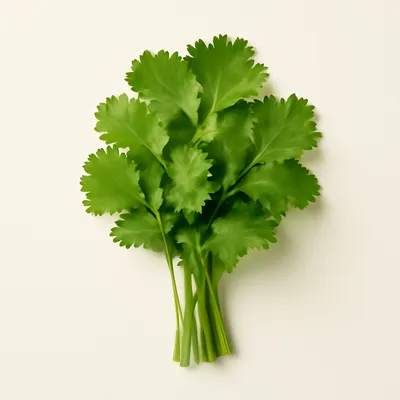
How it's made
6 steps · 5 min
- 13 min
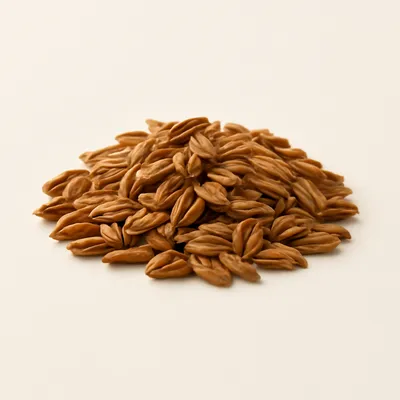
Dry-roast cumin seeds in a hot pan until fragrant and a shade darker, then coarsely crush.
- 22 min
Put roasted gram flour (sattu) in a glass or jug and add a splash of cold water; whisk to a smooth lump-free paste.
Watch outWhisk the sattu with a splash of cold water to a smooth paste first — dump in all the water at once and it clumps into stubborn lumps that won't disperse.
- 31 min
Add the rest of the cold water and whisk briskly until evenly cloudy.
- 42 min
Season with lemon juice, black salt, the roasted crushed cumin, finely chopped green chilli and coriander; stir well.
- 51 min
Taste and balance the salt and sourness; add chopped onion or a few drops of mustard oil if liked.
- 61 min
Serve immediately over ice, stirring again just before drinking as the sattu settles.
Archive tool suggestions — not reviewed
These legacy suggestions have not been evidence-reviewed and are not presented as required tools.


