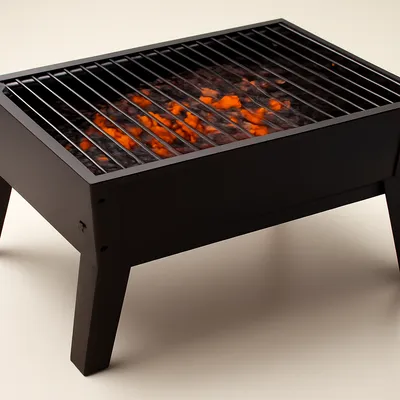
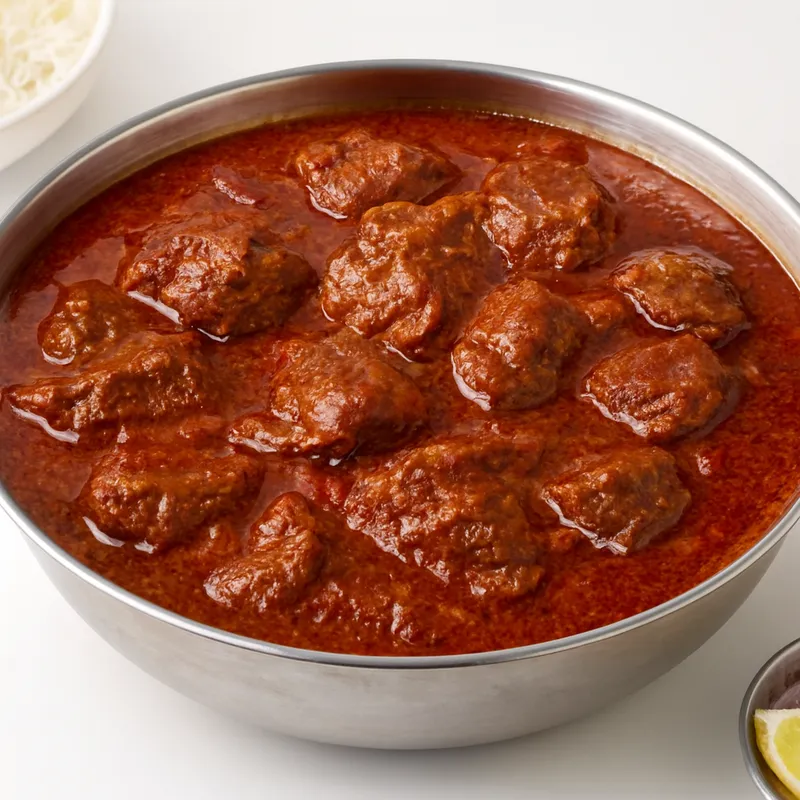
A distinctive Assamese pitha of the Magh Bihu festival, in which sticky rice (sometimes with jaggery and coconut) is packed into a section of young bamboo tube and slow-roasted over an open fire until the rice cooks inside and absorbs a deep smoky bamboo aroma. The charred tube is split open to reveal a cylindrical, smoked rice cake — one of Assam's most ancient and laborious harvest treats.
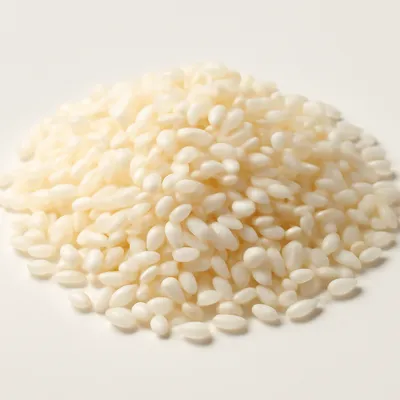

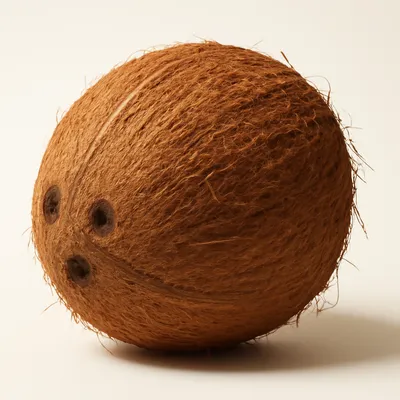
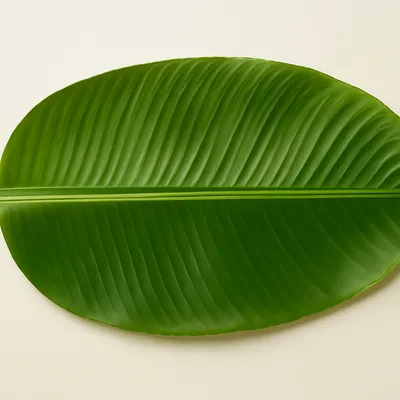

Sunga pitha (chunga pitha) is a traditional Assamese rice cake of the Magh Bihu (Bhogali Bihu) harvest festival, also made in the Sylhet region across the border. Its name states its defining method: sunga (chunga) is the Assamese word for a bamboo tube, and the rice is cooked inside one. A section of young bamboo — chosen for its hollow interior and clean, aromatic wood — is soaked to slow charring, filled with soaked sticky rice (sometimes mixed with grated jaggery, coconut, or sesame), sealed at the ends with banana leaves, and slow-roasted over an open fire for an hour or more. As the bamboo chars on the outside, the rice inside cooks in its own trapped steam, absorbing a deep, smoky, woody-bamboo aroma that no other cooking method can produce. The charred tube is split open to reveal a firm, cylindrical rice cake, sliced and eaten with tea, milk, or jaggery. The dish is a community-centered food of the Uruka feast night and Bihu celebrations, and there is concern that the younger generation is losing familiarity with this labor-intensive tradition.
A firm, slightly chewy, smoky rice cake with the unmistakable fragrance of charred young bamboo — earthy, woody, and clean.
The sunga pitha's character is entirely the product of its bamboo-tube cooking. The rice cooks not in boiling water but in the steam it releases from its own soaking moisture, trapped inside the sealed bamboo tube; this gelatinizes its starch gently and evenly into a firm, cohesive cylinder without the grain dissolving or becoming waterlogged. The bamboo wood, as it chars slowly on the open fire, releases a complex suite of volatile aromatic compounds — guaiacol and related phenolics from the lignin, plus the bamboo's own sweet, green notes — which migrate through the rice by vapor-phase diffusion, infusing it with the characteristic smoky, woody fragrance. The slow roasting (an hour or more) is essential: it gives the heat time to penetrate to the center of the tube and cook the rice through before the bamboo burns through, and it gives the smoke aromatics time to saturate the rice. The charring of the outer bamboo also insulates the rice from direct flame, preventing scorching.
Variations
A sweet version mixes jaggery and coconut into the rice; a savory form uses salt and sometimes sesame, and the rice cake is sometimes sliced and pan-fried in ghee after roasting.
On the Palate
Where Sunga Pitha sits in the Indian flavor cloud
Ingredients
Serves 6How it's made
6 steps · 30 min
- 18 min
Soak glutinous rice for several hours; drain.
- 24 min
Take a section of young bamboo, soak it in water for an hour to slow charring.
Watch outSoak the bamboo section in water an hour first — a wet tube chars slowly instead of burning through before the rice inside is cooked.
- 34 min
Mix the soaked rice with grated jaggery, coconut, and a pinch of salt if using.
- 45 min
Pack the rice mixture into the bamboo tube, leaving some space for expansion, and seal both ends with banana leaves tied on.
- 535 min
Roast the tube slowly over an open fire, turning occasionally, for about an hour until the bamboo is charred and the rice is cooked through.
Watch outRoast the tube slowly over the fire, turning it, about an hour till the bamboo chars and the rice cooks through — rush it on high flame and the outside blackens while the rice stays raw.
- 64 min
Cool briefly, split the bamboo open, slice the cylindrical rice cake, and serve with tea, milk, or jaggery.
Archive tool suggestions — not reviewed
These legacy suggestions have not been evidence-reviewed and are not presented as required tools.