The satvik rice-and-dal preparation of the Jagannath Temple at Puri, offered daily as part of the Chappana Bhoga: fragrant short-grain rice and chana or moong dal are cooked in ghee with ginger, asafoetida, whole spices, and sometimes vegetables, into a soft, moist pilaf-khichdi hybrid. The temple's stacked-pot steam method is its ancient signature.



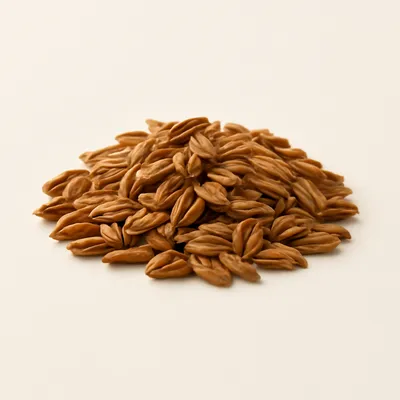
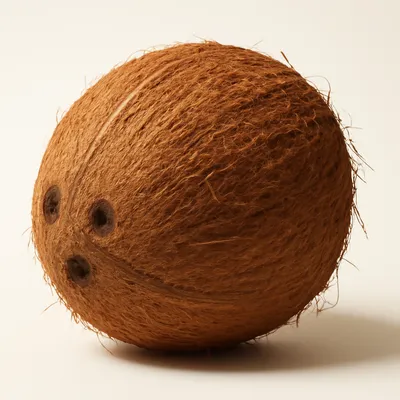
Khechudi is the khichdi of the Jagannath Temple at Puri, where it is part of the daily Chappana Bhoga — the 56 offerings — cooked in the temple's Rosa Ghara kitchen in earthen pots stacked one atop another and steamed by a single fire lit beneath, an ancient method that lets the heat and steam pass through the whole stack. The dish follows the temple's strict satvik rules: no onion, no garlic, ghee as the only fat, and only the permitted spices — ginger (ada), asafoetida (hengu), cumin, whole red chili, turmeric — with grated coconut. Fragrant short-grain Gobindobhog rice is the temple's preferred rice, and the dal is usually chana (Bengal gram) or moong (green gram). The classic variant is ada hengu khechudi, flavored with ginger and asafoetida; a pariba (vegetable) khechudi folds in diced vegetables. Khechudi is described as a very ancient offering of the temple, always paired with saag bhaja (sautéed greens), and it is the dish that traveled out of the temple kitchen into Odia homes as the everyday comfort food now simply called khichdi.
Soft, moist, ghee-rich rice and dal with a warm halo of ginger and asafoetida, the gentle bite of whole cumin, and the faint sweetness of coconut.
The dish's soft, cohesive texture comes from cooking rice and dal together in a measured amount of water so that each grain's starch gelatinizes and the two merge into a single, moist mass rather than staying distinct. The temple's stacked-pot method achieves this by trapping steam within the sealed earthen pots, so the contents cook in their own moisture under pressure without stirring — which would break the grains. Ghee is the only fat, and it coats each grain to slow water penetration, keeping the texture soft rather than mushy while carrying the lipid-soluble aromatics of ginger (gingerol), asafoetida (sulfur compounds that mellow into a savory depth), and cumin (cuminaldehyde). The chana or moong dal, split and cooked alongside, provides protein that complements the rice's amino acids; the vegetables in the pariba version simply cook through in the steam, holding their shape within the soft mass.
Variations
Ada hengu khechudi is the ginger-asafoetida classic; pariba khechudi is vegetable-rich; a home form adds tomato and is less strict than the temple's.
On the Palate
Where Khechudi sits in the Indian flavor cloud
Ingredients
Serves 5How it's made
6 steps · 15 min
- 15 min
Wash and lightly dry-roast fragrant short-grain rice and chana or moong dal.
- 24 min
Heat ghee and temper cumin seeds, whole dry red chili, bay leaf, and a pinch of asafoetida.
- 33 min
Add grated ginger and sauté briefly.
- 43 min
Add the rice and dal and stir to coat them in ghee.
- 515 min
Add hot water and turmeric, cover tightly, and cook on low heat until the water is absorbed and the grains are soft.
Watch outCover tightly and cook on low until every drop of water is absorbed and the grains are soft — lifting the lid or stirring lets steam escape and breaks the grains.
- 64 min
Finish with grated coconut and an extra spoon of ghee, and serve hot with saag bhaja or a vegetable curry.


