
A thick, protein-rich savoury pancake from Tamil Nadu and Kerala, ground from a coarse batter of mixed lentils — toor, chana, and urad dal — with rice, red chili, ginger, and asafoetida. Unlike dosa, the batter is not fermented and is ground deliberately coarse, so the adai is heartier, denser, and more textured than a smooth crepe. Cooked thick on a griddle until brown and crisp-edged, it is studded with onion and curry leaf and served with avial, jaggery, or chutney.
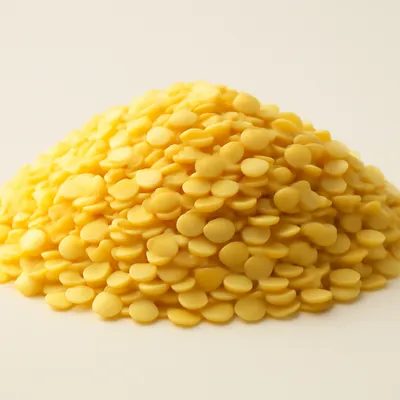


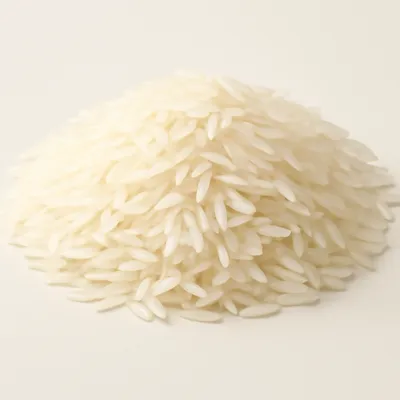

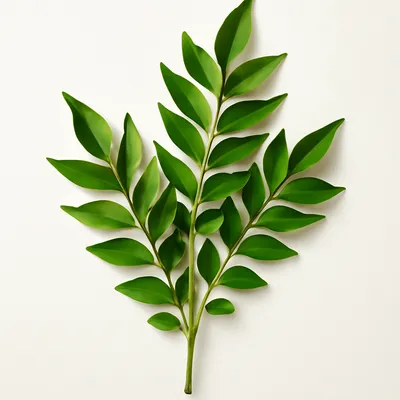
Adai is a traditional breakfast and tiffin dish of Tamil Nadu, also common in Kerala, built around a mix of lentils rather than the rice-and-black-gram pairing of dosa. Soaking several dals together with rice and grinding them coarse yields a pancake far richer in protein than a plain dosa, which made it a substantial, nourishing meal in home cooking. Because the batter needs no fermentation, it can be ground and cooked the same day. It is regarded as a regional South Indian staple rather than a dish with a single documented origin, and in Tamil households is classically paired with avial or a knob of jaggery and butter.
A thick, brown, rugged pancake with crisp lacy edges and a dense, satisfying interior speckled with whole and half lentils. The bite is hearty and grainy, nuttier and chewier than a dosa, with a savoury depth from the dal and a low hum of red chili, ginger, and asafoetida. Onion and curry leaf add sweetness and fragrance. It is filling enough to be a meal on its own; a smear of butter and jaggery, or a side of avial, is the traditional foil to its earthiness.
The protein and the sturdy texture come from the blend of lentils — toor, chana, and urad dal — soaked with rice and ground coarse rather than smooth. Leaving the grind coarse and the batter unfermented is deliberate: it keeps the pancake dense and textured instead of light and crisp like a dosa, and skips the overnight wait. The batter is spread thick, so a hole is often poked in the centre and oil drizzled around the edges to help the inside cook through while the rim crisps. Higher dal means a richer, more fragile pancake; more rice makes it crisper and easier to flip.
Variations
Recipes vary the dal ratio freely; some add a handful of moong dal, others lean heavier on chana for crunch. Onion adai folds in chopped onion and curry leaf; some make a softer, thicker version closer to a uttapam. In Tamil Nadu it is classically eaten with avial, with aviyal-style coconut vegetables, or simply with jaggery and butter; a thinner, crisper take edges toward a dosa.
On the Palate
Where Adai sits in the Indian flavor cloud
Ingredients
Serves 4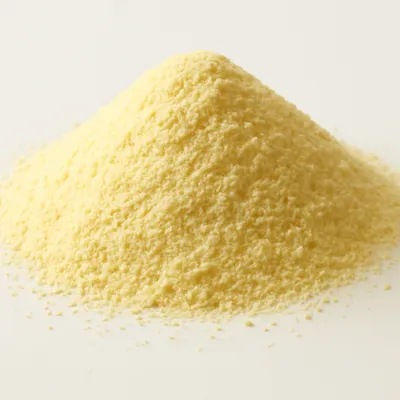

How it's made
5 steps · 3 hours
- 1150 min
Soak toor dal, chana dal, urad dal, and rice together with dried red chili for 2-3 hours.
- 215 min
Drain and grind to a coarse, thick batter with ginger, asafoetida, and salt, keeping some texture in the dal.
Watch outGrind it coarse, leaving grit in the dal — a smooth batter makes a limp dosa, not the dense, textured adai.
- 33 min
Stir in chopped onion, curry leaves, and coriander; the batter should be spreadable but thick.
- 43 min
Spread a thick round on a hot greased griddle, poke a hole in the centre, and drizzle oil around the edges.
- 56 min
Cook until the underside is brown and crisp, flip and cook the other side, and serve hot with avial, chutney, or jaggery and butter.
Watch outDrizzle oil around the edges and wait for a deep, crisp brown before flipping — the thick batter needs it to cook through.
Archive tool suggestions — not reviewed
These legacy suggestions have not been evidence-reviewed and are not presented as required tools.


