
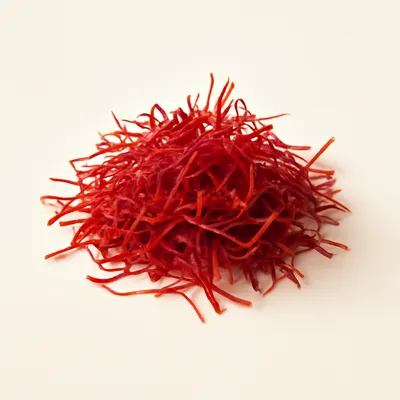
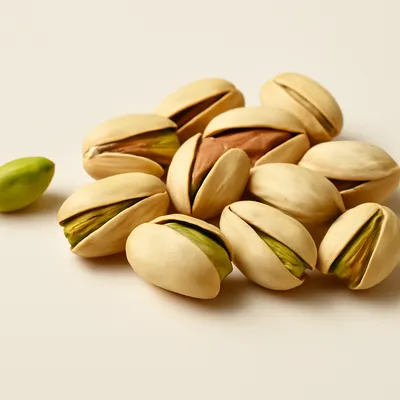
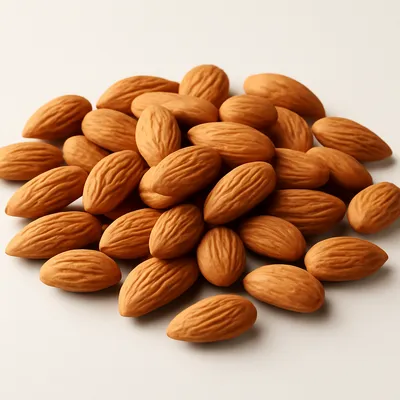
A winter-morning dessert of Lucknow: an almost weightless saffron-scented milk foam that collapses to nothing on the tongue. Rich milk is set out overnight in the cold, then whipped by hand for a long time until it throws up a pale, airy froth, which is skimmed off and dusted with saffron, slivered pistachios and almonds, and a little sugar. It exists only in winter, when the cold lets the foam hold, and is eaten fresh at first light. In Lucknow it is also called nimish.


Makkhan malai is the Lucknow member of a north Indian winter foam-dessert family that goes by different names by city: nimish in Lucknow, malai makhan in Kanpur, daulat ki chaat in Old Delhi, and malaiyo in Varanasi. It is a seasonal street sweet of the cold months, traditionally sold from Diwali to Holi, when low temperatures are needed for the froth to set and hold. A widely repeated tradition holds that the foam was left out overnight to catch the winter dew or mist; this is folklore offered for its charm rather than a documented method, and exact origins are not recorded.
A pale cloud that looks substantial but vanishes the instant it touches the tongue, leaving only cool sweetness, the honeyed note of saffron, and the crunch of slivered nuts. There is almost no chew — it is closer to flavoured air than to cream, faintly cool from the night chill. A single small bowl is gone in a few spoonfuls. Eat it the moment it is served; even minutes too long and the froth begins to weep and slump back into milk.
This is a foam, and foams are fragile. Whisking forces air into the milk's proteins and fat, which trap the bubbles in a network; the cold is essential because warmth thins the milk and the foam drains and collapses, which is why the dessert is winter-only and served at dawn before the day warms. Long, patient hand-whipping of rich, sometimes lightly cultured milk builds a stable, fine-bubbled froth; a touch of cream of tartar or arrowroot is sometimes used to steady it. Saffron and sugar are added last so they don't weigh the foam down. There is no cooking — the whole craft is in the whipping and the cold.
Variations
Nimish (Lucknow) and daulat ki chaat (Delhi) are the same idea under different names; the Banaras malaiyo is often the airiest. Some makers fold a little khoya or set cream into the milk for more body; toppings range from just saffron and pistachio to silver leaf for show. It is, by nature, impossible to keep — there is no make-ahead version, only the fresh winter-morning one.
On the Palate
Where Makkhan Malai sits in the Indian flavor cloud
Ingredients
Serves 4How it's made
6 steps · 30 min
- 120 min
The evening before, boil rich full-fat milk, cool it, and set it out overnight in the cold (a cool place or refrigerator).
Watch outChill the boiled milk overnight in the cold — the whole foam depends on the milk being thoroughly cold; warm milk drains and collapses instead of frothing.
- 220 min
Next morning, when the milk is well chilled, whisk it vigorously and patiently by hand so that a pale froth rises to the top.
Watch outWhisk patiently by hand until a pale froth rises — this is slow, steady work, and rushing it or warming the bowl kills the foam.
- 312 min
Skim the risen foam gently with a wide spoon into a chilled bowl, and keep whisking the milk to raise more froth.
- 43 min
If needed, steady the foam with a pinch of cream of tartar or a little chilled set cream whisked in lightly.
- 54 min
Sweeten very lightly with powdered sugar and fold in bloomed saffron, taking care not to deflate the foam.
- 63 min
Heap the foam into small bowls, top with slivered pistachios, almonds, and a few saffron strands, and serve immediately while still aerated.
Archive tool suggestions — not reviewed
These legacy suggestions have not been evidence-reviewed and are not presented as required tools.


