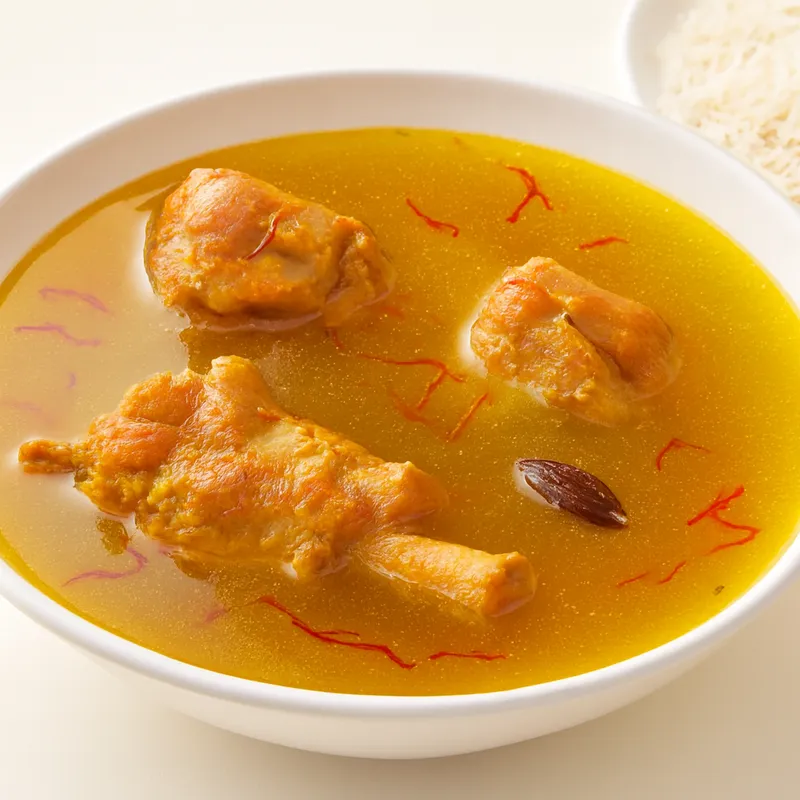
Bhapa ilish is steamed hilsa — the most prized fish of Bengal — coated in a pungent paste of ground mustard and poppy seeds, green chili, turmeric and raw mustard oil, then cooked gently in its own moisture until just set. 'Bhapa' means steamed, and steaming rather than simmering keeps the soft, oily, intensely flavoured hilsa intact and lets the sharp mustard sing without the dilution of a gravy. Where shorshe ilish bathes the fish in a mustard sauce, bhapa ilish seals the same mustard paste onto the fish and steams it, often inside a covered tiffin box or banana leaf, producing a more concentrated, almost custard-soft result eaten with plain steamed rice.




Bhapa ilish belongs to the hilsa-centred cooking of Bengal, where the ilish — a fatty, bony, river-running shad — is treated almost reverentially and appears at festivals, the monsoon, weddings and the Bengali new year. Steaming fish in a mustard paste is a traditional household technique with no single recorded origin; it is the gentler sibling of the better-known shorshe ilish, chosen precisely because the soft, oil-rich hilsa survives steaming far better than a stirred gravy. The dish carries strong cultural weight on both sides of Bengal: hilsa from the Padma river in Bangladesh and the Hooghly in West Bengal is debated and prized, and bhapa ilish is a centrepiece of festive and ceremonial meals, including the Jamai Shashthi feast for the son-in-law.
The fish is meltingly soft and rich — hilsa is famously oily — its flesh just set and threaded with the fine bones that Bengalis eat around with practised ease. Over it sits a thick, pungent yellow coat of ground mustard and poppy seed that hits sharp and almost wasabi-hot in the sinuses, cut by the heat of slit green chilies and the grassy bite of raw mustard oil. There is no gravy to speak of, just the concentrated paste and the oil that has wept from the fish. It is intense, oily, sharp and deeply savoury — a few pieces over a big mound of plain white rice, the mustard oil and juices mixed in by hand.
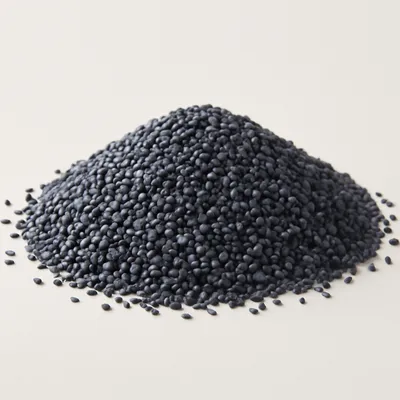
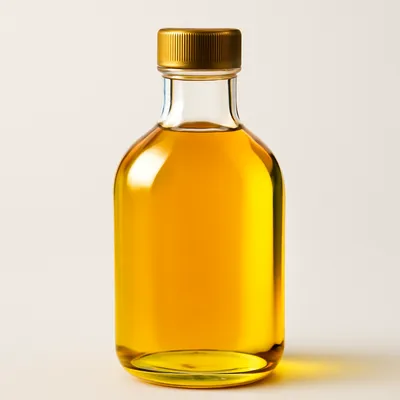
Mustard is the engine and the hazard. Black and yellow mustard seeds are ground to a smooth paste — but mustard turns bitter if ground hot or steeped too long, so it is ground with a little salt, green chili and water (some cooks soak the seeds first) and used promptly; poppy seed or grated coconut is often added to round and bind the paste. The coated fish is then cooked by gentle steam, not a boil: enclosed in a covered container, banana-leaf parcel or a bowl set over (or in) simmering water, the trapped low heat sets the delicate flesh without breaking it and keeps the pungent mustard volatile and fresh rather than cooking it dull. Raw mustard oil is added to the paste and a little drizzled on top, where the steam's gentle heat mellows its raw pungency just enough. The whole thing is cooked only until the fish is just firm — over-steaming dries even an oily hilsa.
Variations
Cooks differ on the paste — some use only mustard, others a half-and-half of mustard and poppy seed, and many add grated coconut or a spoon of yogurt for a milder, rounder coat; the heat is set by the number of green chilies. The container varies from a steel tiffin box clamped shut, to a banana-leaf parcel (paturi-style), to a bowl in a covered pan. The same paste simmered into a thin sauce gives shorshe ilish; given a banana-leaf wrap and a brief steam it edges toward ilish paturi. Beyond hilsa, the technique is used for bhetki and prawns, but hilsa is the celebrated original, at its best in the monsoon when the fish runs upriver.
On the Palate
Where Bhapa Ilish sits in the Indian flavor cloud
Ingredients
Serves 4

How it's made
6 steps · 30 min
- 110 min
Clean hilsa steaks and rub with turmeric and salt; let them sit briefly.
- 28 min
Grind black and yellow mustard seeds with poppy seed, green chili and a little salt and water into a smooth paste; do not let it heat up or sit too long, or it turns bitter.
Watch outGrind the mustard cool and use it promptly — ground hot or steeped too long, mustard turns harshly bitter.
- 36 min
Mix the paste with turmeric, raw mustard oil and (optionally) grated coconut or yogurt, then coat the fish pieces thoroughly.
- 44 min
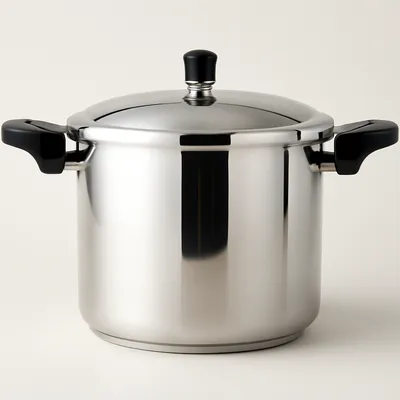
Place the coated fish with extra slit green chilies and a drizzle of mustard oil into a covered tiffin box, banana-leaf parcel or bowl.
- 518 min
Steam gently over simmering water for about 15-20 minutes, until the fish is just set and the mustard coat is cooked but still pungent.
Watch outSteam gently only until the fish just sets and the mustard coat cooks but stays pungent — over-steam and the delicate flesh breaks and the mustard note fades.
- 65 min
Rest a few minutes, then serve hot over plain steamed rice with the mustard oil and juices.
Archive tool suggestions — not reviewed
These legacy suggestions have not been evidence-reviewed and are not presented as required tools.