Chettinad shark flake stir-fry: fresh shark is steamed whole, hand-crumbled into coarse flakes, then tossed in a cast-iron pan with pearl shallots, green chillies, and curry leaves until dry and fragrant. A high-protein breakfast staple that stretches one coastal catch across several household servings with minimal seasoning.
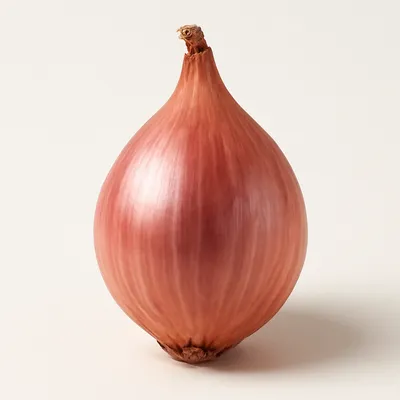

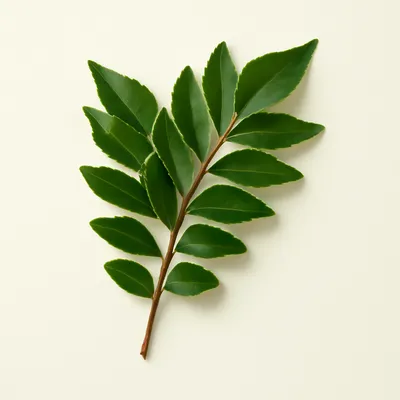


The Nattukkotai Chettiar trading community of Chettinad, Tamil Nadu, developed sura puttu as a practical coastal breakfast. Indian Ocean fishermen landed small sharks alongside the day's main catch, and the puttu method — steaming the fish whole, then hand-crumbling into fine flakes — stretched a single catch into portions for an entire household's morning meal. The technique was applied to shark as it was to other proteins across the Chettinad kitchen, and the dry, low-moisture result kept without refrigeration through the morning hours, suiting the Chettiar trader's early schedule. The simplicity of the seasoning — shallots, chillies, curry leaves — contrasts deliberately with the spice-heavy elaborateness of Chettinad's feast dishes, marking sura puttu as an everyday rather than ceremonial preparation.
Dry and flaky rather than moist; the shark flesh is crumbled to the texture of coarse bread crumbs, barely held together by a film of coconut oil, with bursts of shallot sweetness, the grassy edge of fresh curry leaves, and a clean heat from the green chillies.
Steaming at 100°C coagulates shark myofibrillar proteins gently, preventing the toughening caused by direct dry heat while keeping the flesh moist enough to crumble cleanly. Hand-crumbling after cooling increases surface area dramatically before the pan step. In the cast-iron wok, Maillard reactions develop on the shallots and curry leaves at high heat, generating aromatic compounds that the shark flakes absorb; simultaneous rapid evaporation of residual moisture yields the characteristic dry, fragrant texture.
Variations
When shark is unavailable, the same puttu method is applied to tuna or seer fish; vegetarian Chettinad kitchens use it for eggs or chickpeas. Some households add grated coconut in the final toss for a slightly moister, sweeter result.
On the Palate
Where Sura Puttu sits in the Indian flavor cloud
Ingredients
Serves 3

How it's made
8 steps · 35 min
- 120 min
Steam the whole shark over vigorously boiling water for 20 minutes until the flesh is opaque throughout.
Watch outSteam just until the flesh is opaque throughout, about twenty minutes — over-steaming toughens the shark before you even crumble it.
- 210 min
Remove, allow to cool completely, then hand-crumble the flesh into coarse flakes, picking out any bones.
- 35 min
Thinly slice pearl shallots, slit green chillies lengthwise, and strip curry leaves from their stems.
- 42 min
Heat coconut oil in a cast-iron pan over high heat; add black mustard seeds and dried red chillies, frying until the seeds pop.
- 56 min
Add the sliced pearl shallots and sauté, stirring frequently, until golden and translucent.
- 61 min
Add the green chillies and curry leaves; stir for 30 seconds until fragrant.
- 72 min
Add turmeric powder and the shark flakes; toss well to coat evenly in the oil and aromatics.
- 85 min
Stir-fry over high heat, turning frequently, until all moisture evaporates and the flakes are dry and fragrant. Season with salt and serve hot.
Watch outStir-fry over high heat until every last bit of moisture is gone and the flakes are dry and fragrant — that dryness is the whole point of puttu.
Archive tool suggestions — not reviewed
These legacy suggestions have not been evidence-reviewed and are not presented as required tools.


