Paruppu Usili is steamed toor and chana dal ground with spices, crumbled by hand into coarse granules, then stir-fried with vegetables — classically banana flower or green beans — and curry leaves, coating each piece in a nutty, protein-rich lentil crust. The two-stage steam-then-crumble technique is uniquely Tamil and does not appear in any other South Asian regional cuisine.



Paruppu Usili belongs to the domestic cooking tradition of Tamil Brahmin (Iyer) communities in the Kaveri delta region of Tamil Nadu. The technique — soaking lentils, grinding them with spices, steaming the paste into a firm cake, crumbling it, and stir-frying the crumbs with a vegetable — is specific to Tamil Nadu and is not replicated in the same form in any other South Indian regional tradition. Banana flower is the prestige version, used on festival days and at elaborate meals; green beans is the everyday form. Both are documented across the major compendiums of Tamil Brahmin vegetarian cooking compiled from the mid-20th century onward. The word paruppu means lentils; usili derives from the Tamil verb for crumbling or granulating — it describes not an ingredient but the transformation at the core of the technique: the lentils must be crumbled into granules, never left whole, so that each particle can individually coat a piece of vegetable during the final hot stir-fry.
A textured, dry stir-fry — the crumbled lentil granules are nutty and faintly crisp at their edges, the vegetables are vibrant and just-cooked, and the whole dish carries the warm smell of toasted dal, mustard seeds, and curry leaves with the slight bitterness of banana flower or the clean snap of green beans.
During steaming, two simultaneous processes give the lentil cake structural integrity: lentil proteins denature and coagulate into a firm matrix, while starch granules absorb water, swell, and gelatinize, cross-linking into a gel that holds the cake together. When the cake is crumbled by hand and stir-fried in hot oil, the high surface area exposed on each granule undergoes Maillard browning — lentil amino acids react with reducing sugars above 140 °C, generating pyrazines and furanones that yield the characteristic nutty, roasted flavor. Asafoetida incorporated into the batter contributes organosulfur compounds that disperse through the oil phase during frying, producing allyl disulfide aromatics. Mustard seeds bloomed in the tempering oil rupture at roughly 180 °C, releasing isothiocyanates derived from glucosinolates that bond to the starchy lentil surface on each vegetable piece, creating a flavor-locked crust.
Variations
Banana flower (vazhaipoo) is the prestige festival version; green beans is the everyday one. Other traditional vegetables include raw plantain, cluster beans, and drumstick. The spice profile can be adjusted by varying the dried chili and fennel seed quantities in the batter. Iyengar-style versions omit garlic and onion from the batter entirely, maintaining strict no-allium protocols.
On the Palate
Where Paruppu Usili sits in the Indian flavor cloud
Ingredients
Serves 4

How it's made
7 steps · 2 hours 10 min
- 1120 min
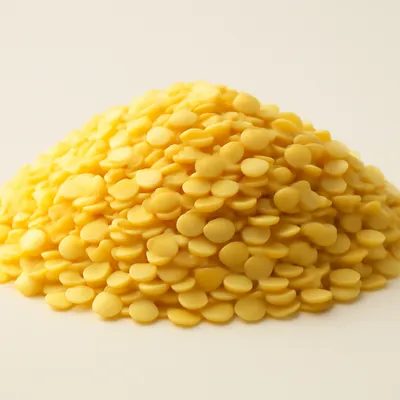
Rinse ½ cup toor dal and ¼ cup chana dal together; soak in cold water for at least 2 hours; drain completely — no residual water should remain.
- 25 min
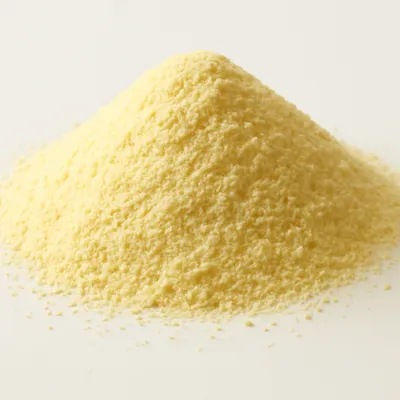
Grind the drained dals coarsely with 3 dried red chilies, 1 tsp fennel seeds, ½ tsp cumin, a generous pinch of asafoetida, ½ tsp turmeric, and 1 tsp salt; use short pulses — the paste should be rough and grainy, not smooth.
Watch outGrind the drained dal coarse and grainy, never smooth — a fine paste steams gluey; the rough texture is what fries up into separate nutty granules.
- 315 min
Grease a flat heatproof plate or idli molds lightly with oil; spread the lentil paste in a layer about 1 cm thick; steam over vigorously boiling water for 12–15 minutes until the cake is firm to the touch and no longer sticky.
Watch outSteam until the cake is firm to the touch and no longer sticky — understeamed it won't crumble into clean granules, it just smears.
- 45 min
Cool the steamed dal cake for 5 minutes; crumble by hand into coarse granules roughly the size of large breadcrumbs — uneven pieces are desirable for textural contrast.
- 58 min
Prepare the vegetable: if using banana flower, clean the florets and blanch in salted water with a pinch of turmeric for 5 minutes to remove bitterness, then drain; if using green beans, trim and cut into 1 cm pieces and parboil for 3 minutes.
- 65 min
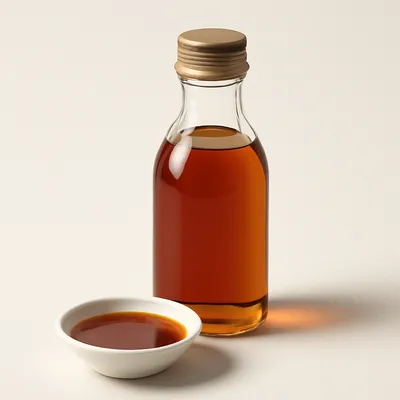
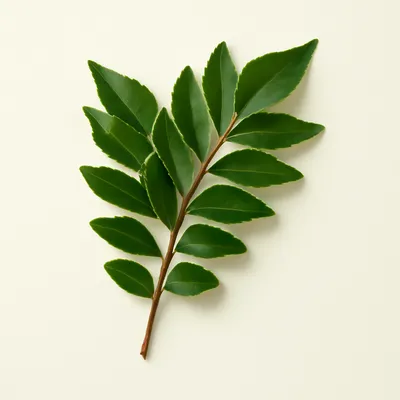
Heat 2 tbsp sesame oil in a wide heavy pan over medium-high heat; add ½ tsp mustard seeds and 1 tsp urad dal; once the seeds pop, add 2 dried red chilies and 10 curry leaves; add the prepared vegetable and stir-fry for 3 minutes.
- 75 min
Add all the crumbled dal to the pan; increase heat to high and stir-fry continuously for 4–5 minutes until the granules dry out and develop golden-brown edges; adjust salt and serve hot alongside rice and sambar.
Watch outStir-fry the crumbled dal on high until it dries out with golden edges — that's the roasted nutty flavor developing; pull it damp and it tastes raw and flat.
Archive tool suggestions — not reviewed
These legacy suggestions have not been evidence-reviewed and are not presented as required tools.


