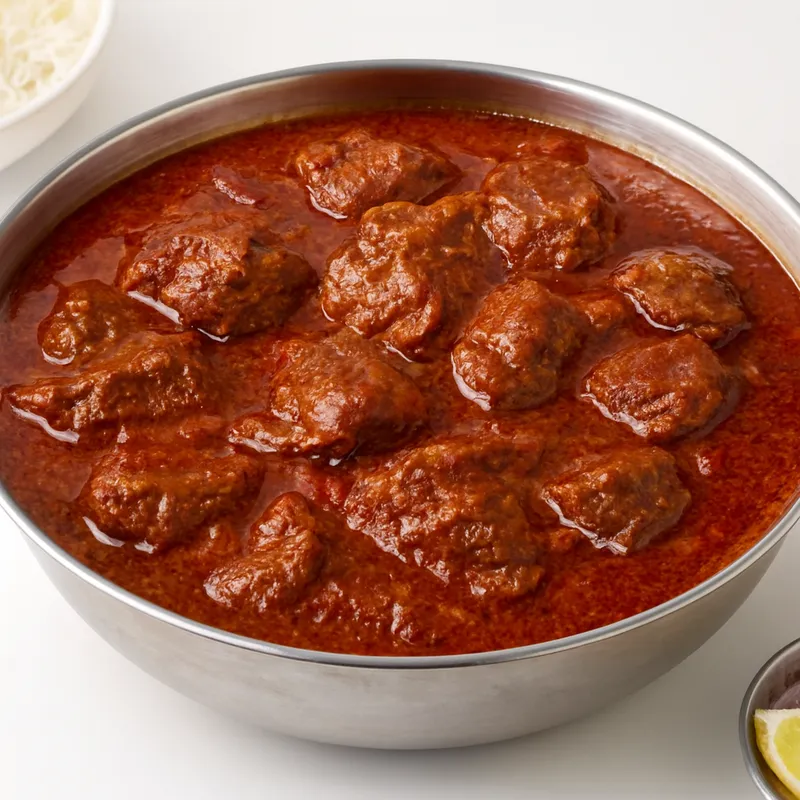
A seasonal Chettinad tamarind gravy built around fresh green peppercorn clusters harvested still on the stalk, simmered with shallots, curry leaves, and gingelly oil in a tamarind-water base. Available only from October to December, when the unripe Piper nigrum clusters arrive from Western Ghats growers to Karaikudi markets, the dish delivers a citrusy, rapidly-dispersing heat that dried-pepper preparations cannot replicate.



The Chettiar merchant community, centered on Karaikudi in Tamil Nadu, traded pepper along Southeast Asian routes from at least the 9th century, cultivating direct supply relationships with Western Ghats growers in Kodagu and Wayanad. This direct access to all harvest stages of Piper nigrum — fresh green, brine-preserved white, and sun-dried black — led Chettinad kitchens to develop a distinct preparation for each form. The fresh-peppercorn kuzhambu is therefore a distinctly Chettinad speciality with no parallel in neighboring Tamil Nadu sub-cuisines: only a merchant household with harvest-season supply chains could routinely source whole green clusters on the stalk. Chettinad community cooking records document it as a hot-weather-transitional dish served over rice during the October–December window when fresh clusters arrive from the foothills supplying the Karaikudi spice markets.
Citrusy and bright rather than slow-building — the fresh green piperine fires fast and fades early, then the tamarind's tartness cuts across mid-palate and leaves the mouth clean and awake. The shallots contribute a sweet roundness that prevents the sourness from feeling aggressive.
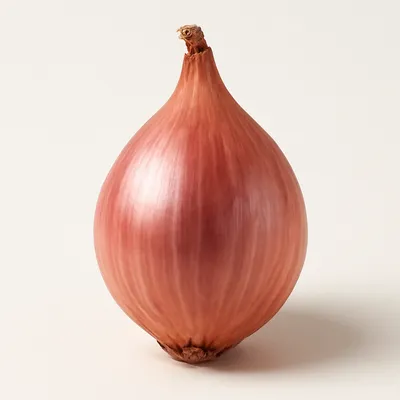
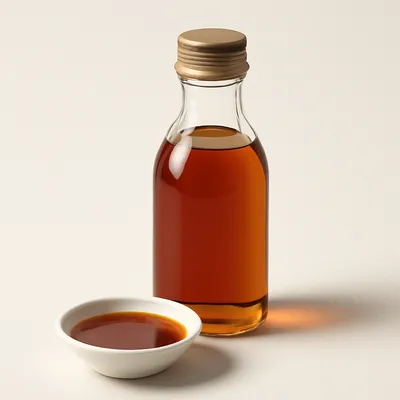
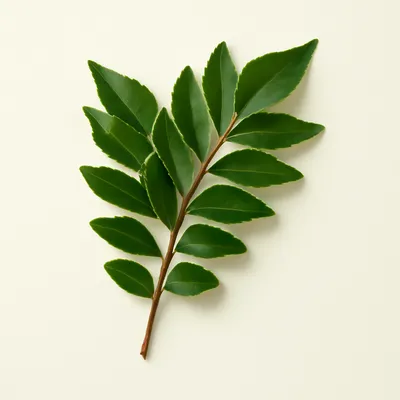
Fresh green Piper nigrum berries contain piperine at lower concentration than dried black pepper, but also retain chlorophyll and volatile citrus-terpene compounds — sabinene and β-pinene — that dissipate rapidly under heat, producing a heat signature that blooms fast and fades early rather than lingering. The tempering step heats gingelly oil to around 180°C: mustard seeds rupture under superheated steam, releasing glucosinolate-derived aromatics, while curry leaves undergo surface Maillard browning, releasing linalool and β-caryophyllene into the oil. Tamarind's tartaric acid holds the gravy pH at roughly 3.0–3.5, which suppresses piperine volatility and slows oxidation, preserving the bright green heat through a 15-minute simmer. Pectin released from the shallots during cooking lightly thickens the gravy without starch, producing the characteristic loose but body-forward consistency.
Variations
A dried black-pepper version made year-round in Chettinad households swaps the fresh clusters for dried peppercorns and deepens the tamarind ratio. Some families add freshly ground stone flower (kalpasi) to the tempering to deepen the aromatic base; others add a small piece of dried galangal for an additional woody note. A thin, extra-sour version with doubled tamarind is served as a digestive after heavy meat meals.
On the Palate
Where Pacha Milagu Kuzhambu sits in the Indian flavor cloud
Ingredients
Serves 4


How it's made
7 steps · 25 min
- 120 min
Soak a golf-ball-sized lump of tamarind (about 50 g) in 2 cups warm water for 20 minutes; squeeze firmly and strain through a sieve to extract tamarind water; discard fiber and seeds.
- 23 min
Rinse the fresh green peppercorn sprigs; pull small clusters off the main stalk, keeping each subsidiary cluster intact. Set aside.
- 35 min
Heat 3 tbsp gingelly oil in a clay pot or heavy pan over medium-high heat. Add 1 tsp mustard seeds; when they splutter, add 2 dried red chilies, 15 curry leaves, and 8 peeled shallots (halved); fry until shallot edges are golden, about 4 minutes.
Watch outFry the shallots until their edges go golden — that light browning sweetens them and deepens the tempering oil the whole gravy is built on.
- 43 min
Add 1 tsp freshly ground black pepper and ½ tsp turmeric; stir 30 seconds. Add the green peppercorn clusters and stir-fry 2 minutes until clusters are coated and fragrant.
- 52 min
Pour in the strained tamarind water and add 1 tsp salt. Raise heat to high and bring to a rolling boil.
- 615 min
Reduce to a gentle simmer; cook uncovered 12–15 minutes until the gravy reduces by one-third, the raw tamarind smell disappears, and oil rises to the surface.
Watch outSimmer until it's reduced by a third, the raw tamarind smell is gone, and oil rises to the top — that's the gravy come together.
- 72 min
Taste and adjust salt. Finish with a drizzle of 1 tsp raw gingelly oil. Serve immediately over plain steamed rice.