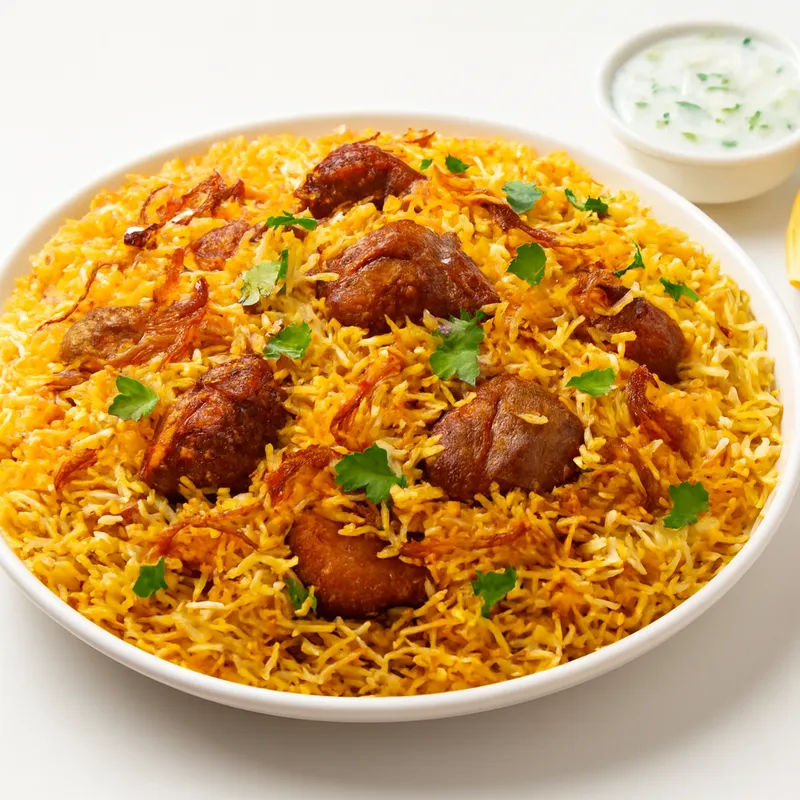
The everyday fish curry of the Tamil coast: fish simmered in a dark, tangy gravy of tamarind, shallots, tomato, and roasted red-chili-and-coriander spice, all built on gingelly (sesame) oil with no coconut milk. Traditionally cooked and served from an earthen pot and famously better the next day, it is eaten with rice, idli, or dosa from Rameswaram up through Nagapattinam.

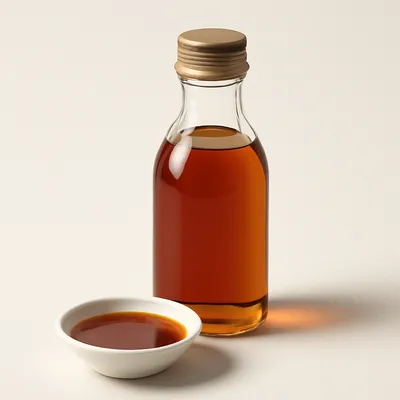


The fish cooking of the Tamil coast reaches back to the seaboard life pictured in Sangam-era poetry (c. 300 BCE–300 CE), whose neithal — the shoreline among the five classical Tamil landscapes — is a world of fishing villages, salt pans, and drying catch. Meen kuzhambu is the enduring domestic form of that heritage, and two things set it apart from the coconut-milk fish curries of neighbouring Kerala: it is founded on gingelly oil, the ancient pressed-sesame oil of the Tamil country, and it takes its body and its keeping quality from tamarind rather than coconut. Cooked traditionally in a seasoned clay pot along the coast from Rameswaram to Nagapattinam, its high tamarind acidity lets it stand unrefrigerated and deepen overnight — the reason a pot made for lunch is prized even more at the next day's breakfast.
The gravy is dark, thin-bodied, and mouth-fillingly tangy, its heat slow and building from dried chili and pepper; gingelly oil lends a toasty, faintly bitter depth that coconut curries lack. The fish is silky and just-set, having drunk in tamarind and spice, and a bowl left overnight tastes rounder still, the sourness settled into the flesh.
Gingelly oil's high smoke point and distinct toasted-sesame flavor withstand the long simmer that builds the gravy, and its foaming when whole spices hit it marks the fresh unrefined oil. Tamarind is the engine of the dish: its tartaric acid drops the pH low enough to gently firm the fish's surface proteins so the pieces hold rather than flake apart, to draw spice into the flesh, and to act as a preservative that lets the pot keep and improve overnight. Fenugreek seeds bloomed in the hot oil release both aroma and a mucilage that lightly thickens the gravy. The fish goes in late and is never boiled hard — its proteins denature and set around 60–70°C, and a gentle simmer keeps them silky rather than tough. An unglazed clay pot heats evenly, is unreactive to the acid, and wicks a little water through its porous wall to concentrate the gravy.
Variations
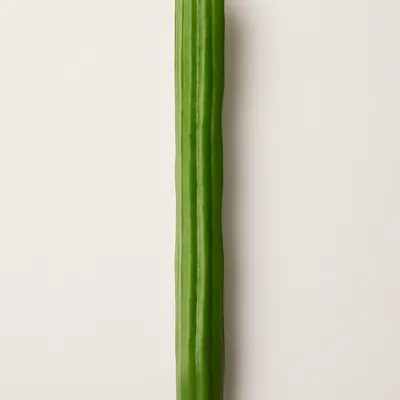
Coastal cooks vary the fish by the day's catch — seer, sardine, mackerel, or tilapia — and often add drumstick, brinjal, or raw mango to the gravy. The Chettinad version grinds in a coconut-and-fennel-heavy masala for a thicker, more aromatic curry, while Karaikudi cooks pointedly leave out jaggery. Nagercoil and far-southern styles do bring in coconut, blurring toward the Kerala border, and a quick everyday village meen kuzhambu skips the ground paste for plain chili and coriander powders.
On the Palate
Where Meen Kuzhambu sits in the Indian flavor cloud
Ingredients
Serves 4

How it's made
8 steps · 20 min
- 18 min
Clean the fish, rub it with turmeric and salt, then rinse and set aside.
- 25 min
Soak tamarind in warm water and squeeze out a thick extract.
- 35 min
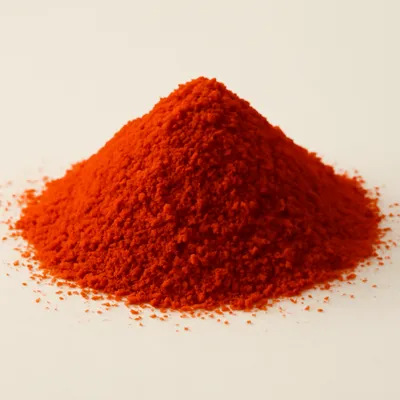
Grind red chili, coriander seeds, and a little fennel and cumin to a smooth paste with a splash of water.
- 43 min
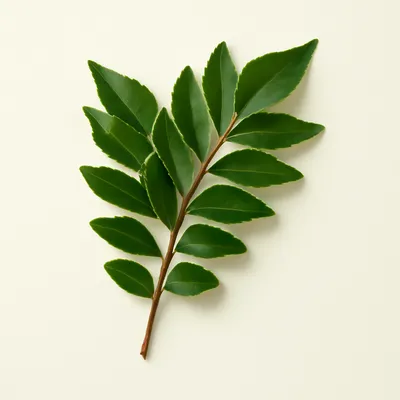
Heat gingelly oil in a clay pot and temper mustard seeds and fenugreek, then add curry leaves.
- 58 min
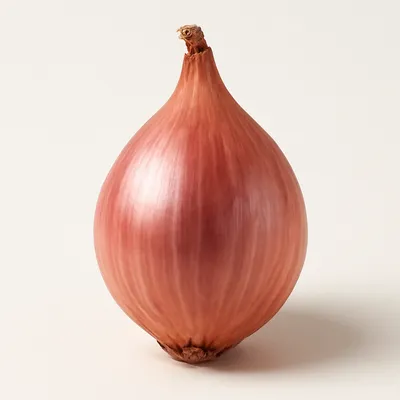
Sauté the shallots and garlic until golden, then add the tomato and cook until soft and pulpy.
- 66 min
Stir in the ground spice paste, turmeric, and salt and fry until the oil separates and the raw smell goes.
Watch outFry the spice paste until the oil separates and the raw smell is gone — go in with the tamarind too early and the gravy tastes flat and rough.
- 712 min
Pour in the tamarind extract and water, add the drumstick pieces, and simmer until the gravy thickens and oil floats to the top.
- 812 min
Slide in the fish and simmer gently without stirring until just cooked through; rest at least an hour before serving — it tastes even better the next day.
Watch outSlide the fish in last and simmer gently without stirring, just until set — stir it and the pieces flake apart into the gravy.