Puliyodarai is cooked rice folded through pulikachal — a concentrated paste of slow-simmered tamarind, sesame, roasted peanuts, and spice-tempered sesame oil — eaten across Tamil Nadu and distributed as prasadam at major Vaishnava temples including the Sri Ranganathaswamy temple at Srirangam and Tirupati's Tirumala Venkateswara temple. The dish is shelf-stable for days, which made it the canonical Tamil pilgrim travel food.
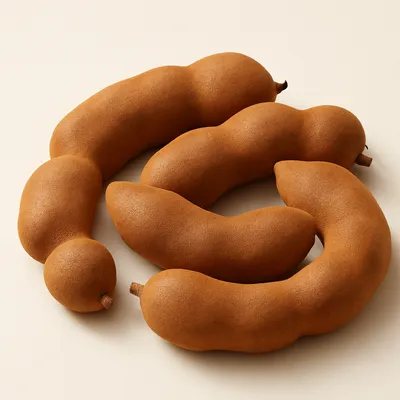


Puliyodarai as a temple offering is attested centuries deep in the Vaishnava bhakti tradition of South India. The Sri Ranganathaswamy temple at Srirangam — one of the 108 Divya Desams venerated in the Nalayira Divya Prabandham compiled by the Alvar poet-saints (c. 7th–9th centuries CE) — has maintained a continuous prasadam kitchen tradition; tamarind rice appears among the naivedyam food offerings prepared according to its agamic protocols. The Tirumala Tirupati Devasthanam likewise distributes tamarind rice daily among its prasadam items. The dish's durability — tamarind's tartaric acid and the low water activity of the slowly simmered paste suppress microbial growth — made it the canonical provision for pilgrims undertaking the long journey to these shrines, a role Tamil culinary tradition has recognized and transmitted through both household and temple cooking lineages.
Tangy and savory with layered heat — tamarind's sharpness leads, followed by the nutty crunch of sesame and peanuts throughout, with the slow warmth of black pepper and dried chilies building at the back; the grains are dry and distinct, each coated in the thick, complex paste.
Tamarind pulp is simmered until free moisture evaporates and tartaric acid concentrates; the finished paste's low water activity (below 0.85) suppresses microbial growth, giving the dish multi-day shelf life without refrigeration. Sesame seeds toasted over dry heat undergo Maillard browning above 140 °C, generating pyrazines and furans that establish the dish's nutty base note. In the hot oil temper, mustard seeds reach roughly 180 °C before popping, rupturing their seed coat and releasing glucosinolate-derived isothiocyanates and pungent compounds into the oil. When the cooled paste is folded into room-temperature cooked rice, the acidic coating accelerates starch retrogradation in the outer grain layers, keeping the grains firm and separated rather than clumping together.
Variations
Temple-style puliyodarai is more intensely flavored and oilier than home versions, prepared in large batches in iron vessels over wood fire and known for a deeper, smokier tamarind reduction. Some households add urad dal to the tempering for extra crunch. Andhra-style tamarind rice uses a similar base but adds raw groundnuts and more dried chilies. A coconut-free dry version is standard for travel and packing.
On the Palate
Where Puliyodarai sits in the Indian flavor cloud
Ingredients
Serves 4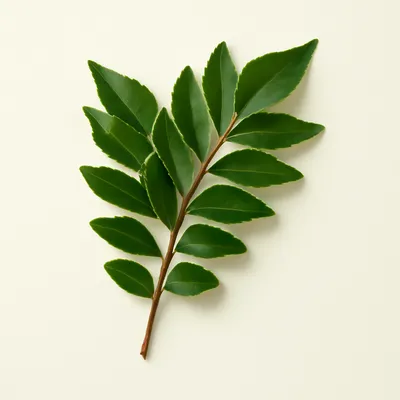

How it's made
7 steps · 20 min
- 115 min
Soak a lemon-sized ball of tamarind (about 50 g) in 1 cup hot water for 15 minutes; squeeze and strain through a sieve to extract thick pulp, discarding fibers and seeds.
- 23 min
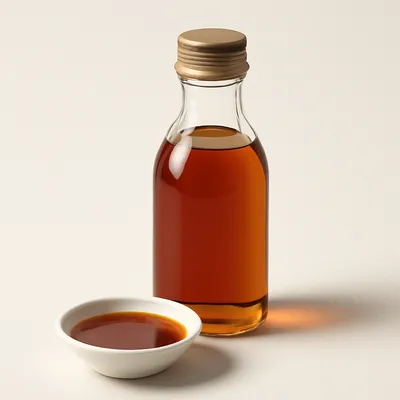
Heat 3 tbsp sesame oil in a heavy pan over medium flame; add 2 tbsp sesame seeds and ¼ cup raw peanuts, stirring constantly until golden and fragrant, about 3 minutes; remove and set aside.
Watch outToast the sesame and peanuts, stirring, only to golden and fragrant — a moment past that they go bitter and drag the whole dish down.
- 33 min
To the same oil, add 1 tsp mustard seeds; once they pop, add 3–4 dried red chilies, 10 curry leaves, a pinch of asafoetida, 1 tsp chana dal, and 1 tsp urad dal; fry until the lentils turn golden, about 2 minutes.
- 42 min
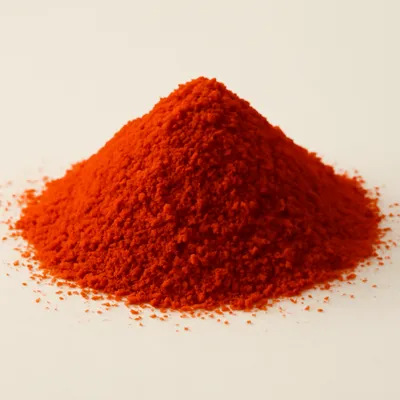
Pour in the tamarind pulp along with ¼ tsp turmeric, 1 tsp red chili powder, ½ tsp black pepper, and 1½ tsp salt; stir to combine.
- 520 min
Simmer over low heat, stirring often, for 15–20 minutes until the paste thickens, darkens in color, and oil clearly separates and pools at the edges; stir in the toasted sesame and peanuts and cook 2 more minutes.
Watch outSimmer the tamarind paste until it darkens and the oil clearly pools at the edges — that oil-split is the sign the raw sourness has mellowed and it will keep.
- 620 min
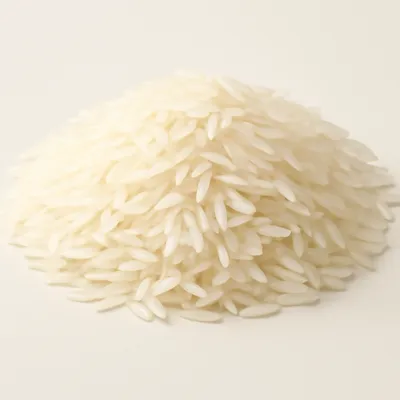
Cook 2 cups rice with slightly less water than usual so the grains are firm and separate; spread on a wide plate and cool completely to room temperature.
Watch outCook the rice with slightly less water so the grains stay firm and separate, then cool it fully — hot or mushy rice turns the mix into a clump.
- 73 min
Spoon 3–4 tablespoons of paste onto the cooled rice and fold gently — using hands or a flat paddle — until every grain is evenly coated; taste and adjust salt or paste before serving.

